
08
2026
-
04
Shock-Absorbing Rubber: Enhancing Vibration Control in Modern Industrial Applications
Classy shock-absorbing rubber spots provide reliable vibration damping, durable performance, and stable protection for industrial equipment

Shock-absorbing rubber plays a crucial role in modern engineering and industrial systems where vibration reduction, impact resistance, and equipment protection are required. As industries continue to develop toward higher precision, efficiency, and durability, the demand for reliable damping materials has increased significantly. Shock-absorbing rubber, with its unique elastic and energy-dissipating properties, has become an essential material across a wide range of applications, including construction machinery, automotive systems, drilling equipment, rail transportation, and industrial automation.
At its core, shock-absorbing rubber is designed to convert mechanical energy from vibration or impact into heat energy through deformation. This energy dissipation helps reduce the transmission of shocks between connected components, thereby minimizing wear, noise, and structural fatigue. The material is typically manufactured using natural rubber, synthetic rubber, or a combination of elastomers, depending on the required performance characteristics. Additives and reinforcing agents are often incorporated to enhance properties such as strength, temperature resistance, and aging resistance.
One of the key advantages of shock-absorbing rubber is its excellent elasticity. This allows the material to compress and recover repeatedly without permanent deformation, making it ideal for dynamic environments where continuous vibration occurs. In addition, its damping capability enables it to absorb a wide range of frequencies, effectively isolating sensitive components from external disturbances. This is particularly important in precision equipment and heavy machinery, where even small vibrations can affect performance and accuracy.
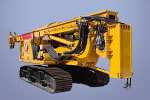
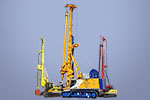
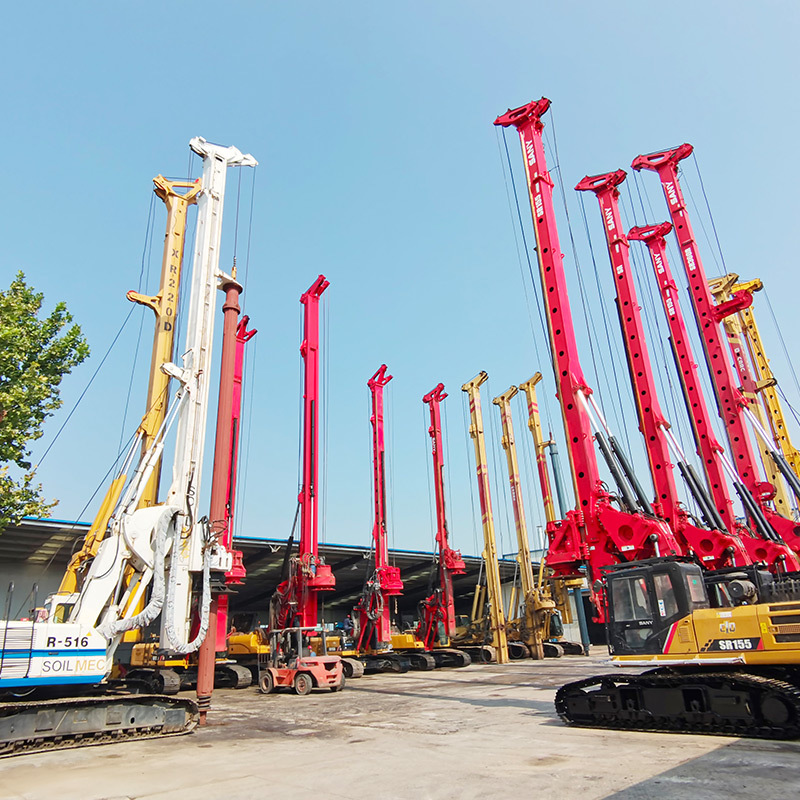
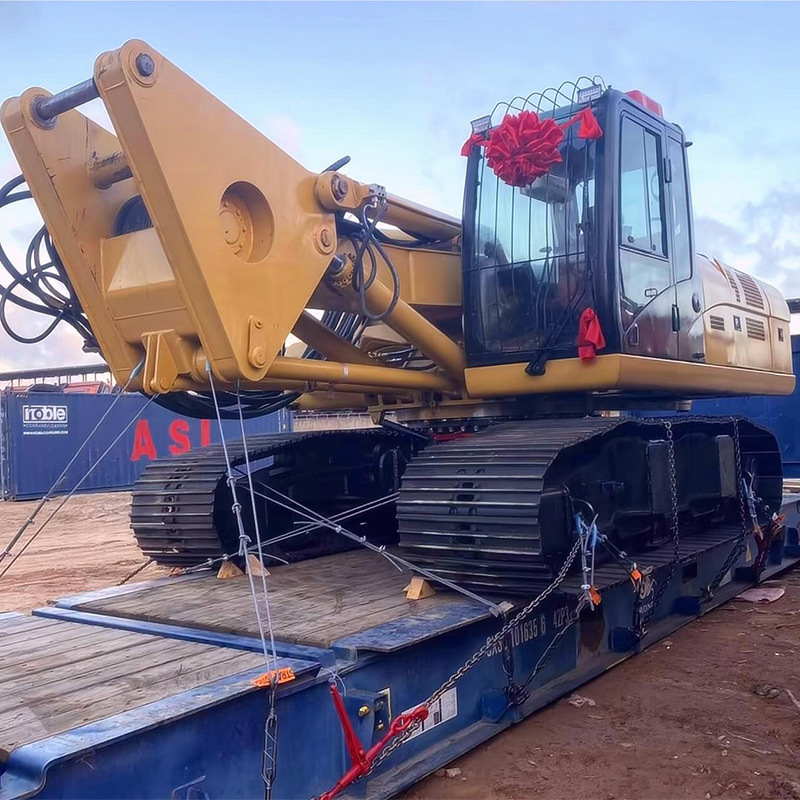
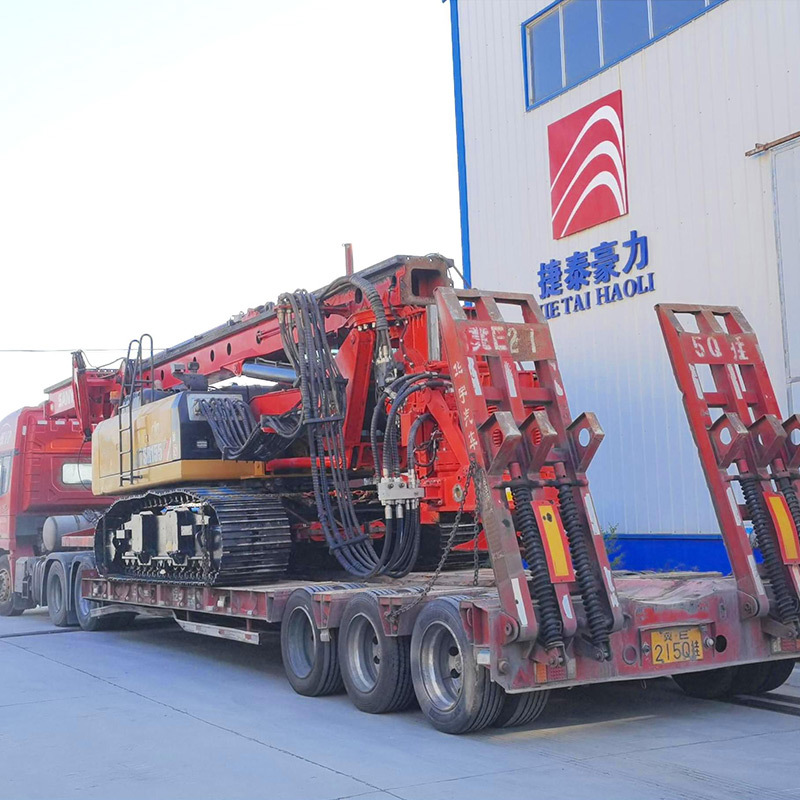
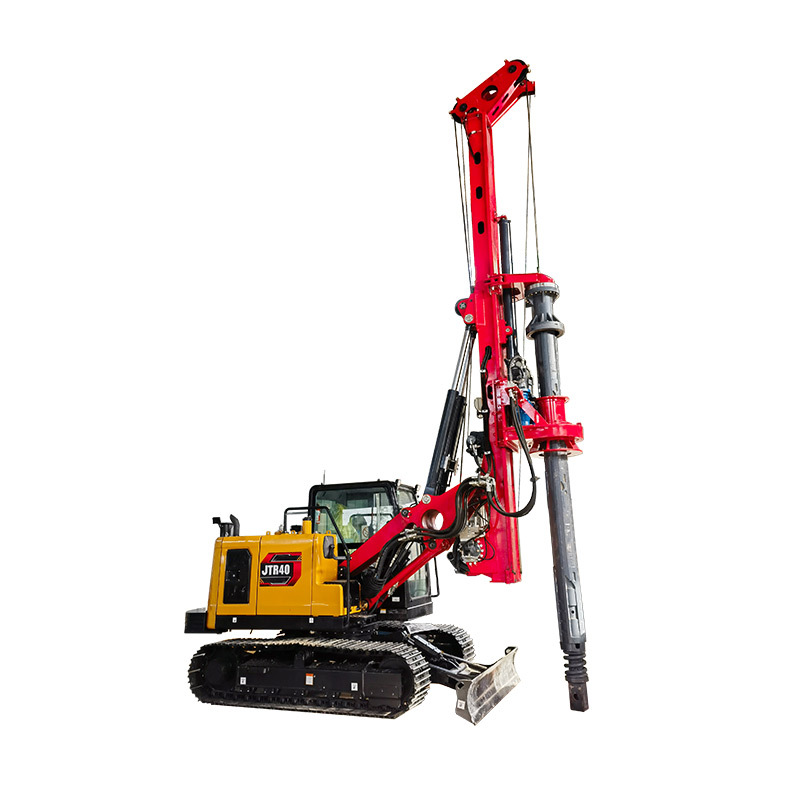
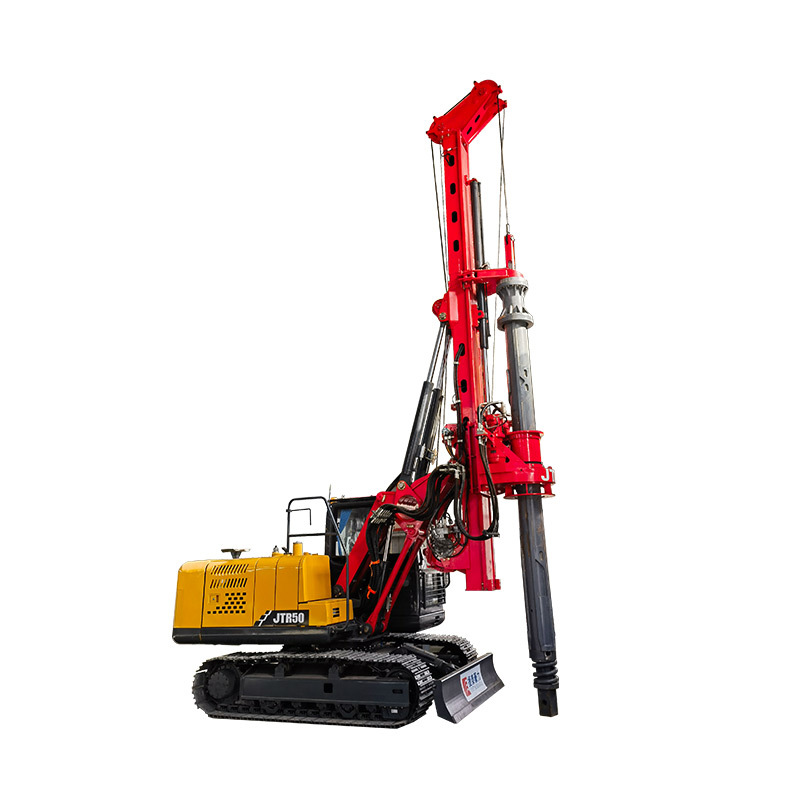
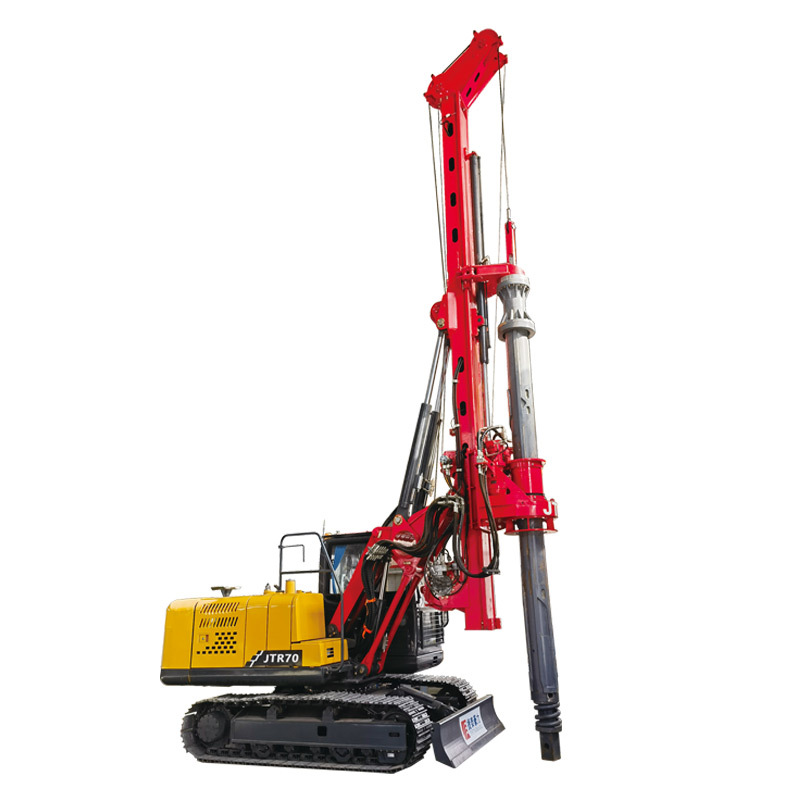
Shock-absorbing rubber is widely used in the construction and foundation drilling industry. For example, in rotary drilling rigs, rubber damping components are often installed in shock absorber assemblies to protect structural parts from impact loads generated during drilling operations. These components help stabilize the equipment, reduce mechanical stress, and extend the service life of critical parts such as drill pipes, rotary heads, and drive systems. By improving operational stability, shock-absorbing rubber contributes to higher efficiency and safer working conditions on construction sites.
In the automotive industry, shock-absorbing rubber is commonly used in suspension systems, engine mounts, and bushings. These components help isolate vibrations generated by the engine and road conditions, providing a smoother and more comfortable driving experience. At the same time, they reduce noise and protect the vehicle’s structural integrity. With the increasing demand for ride comfort and noise reduction, the use of advanced rubber damping materials continues to grow in modern vehicle design.
Another important application area is industrial machinery and equipment. In factories and production lines, machines often operate under high-speed and high-load conditions, generating significant vibration and noise. Shock-absorbing rubber components are used to mount equipment, isolate vibration sources, and protect surrounding structures. This not only improves working conditions but also reduces maintenance requirements and prevents premature failure of machinery.
The performance of shock-absorbing rubber depends on several factors, including material composition, hardness, shape, and environmental conditions. Engineers select appropriate rubber grades and designs based on specific application requirements such as load capacity, temperature range, and frequency of vibration. Proper selection ensures optimal damping performance and long-term reliability.
In recent years, advancements in material science and manufacturing technology have led to the development of more specialized shock-absorbing rubber products. These include high-temperature resistant rubber, oil-resistant rubber, and custom-molded damping components designed for specific industrial applications. Such innovations have expanded the use of shock-absorbing rubber into more demanding environments, further enhancing its importance in modern engineering.
In conclusion, shock-absorbing rubber is an indispensable material in today’s industrial landscape. Its ability to absorb impact, reduce vibration, and protect equipment makes it essential for improving performance, safety, and durability across multiple industries. As technology continues to evolve, shock-absorbing rubber will remain a key component in achieving efficient, stable, and long-lasting mechanical systems.
Shock-absorbing rubber
Next

Business consulting:
Manufacturer: Shandong Jietai Haoli Machinery Equipment Co., Ltd.
Address: Nanchai industrial park, Hualong Town, Shouguang city, Shandong province
Copyright©2024 Shandong Jietai Haili Machinery Equipment Co., Ltd.