
12
2026
-
04
How to Choose Between Different Heavy Duty Rotary Drilling Rig Models: A Comprehensive Guide
How to Choose Between Different Heavy Duty Rotary Drilling Rig Models Understanding Heavy Duty Rotary Drilling Rigs Heavy-duty rotary drilling rigs are essential for various applications, including construction, mining, and water well drilling. These machines are engineered to penetrate hard soils and rock formations efficiently. Several models are available, each designed to meet different operat

How to Choose Between Different Heavy Duty Rotary Drilling Rig Models
Understanding Heavy Duty Rotary Drilling Rigs
Heavy-duty rotary drilling rigs are essential for various applications, including construction, mining, and water well drilling. These machines are engineered to penetrate hard soils and rock formations efficiently. Several models are available, each designed to meet different operational demands. Understanding the key components and functions of these rigs is vital in making the right choice.
Key Components of Heavy Duty Rotary Drilling Rigs
1. **Drill Head:** The drill head is the primary tool responsible for breaking the ground. It comes in various designs, including tricone bits, PDC bits, and diamond bits, depending on the type of soil or rock being drilled.
2. **Mast and Frame:** The mast provides the structural support for the rig and allows for vertical movement of the drill string. The frame is the base that supports all components and ensures stability during operation.
3. **Power Supply:** Heavy-duty rigs are typically powered by either diesel engines or electric motors. The choice largely depends on the operational environment and availability of power sources.
4. **Hydraulic System:** This system is crucial for the operation of various rig functions, such as raising and lowering the drill string. Hydraulic efficiency can significantly affect the rig's performance.
5. **Control Systems:** Modern heavy-duty rotary drilling rigs often come equipped with advanced control systems that enhance operational efficiency, safety, and ease of use.
Types of Heavy Duty Rotary Drilling Rigs
Understanding the different types of rotary drilling rigs can guide you in making an informed decision:
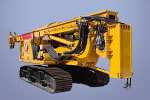
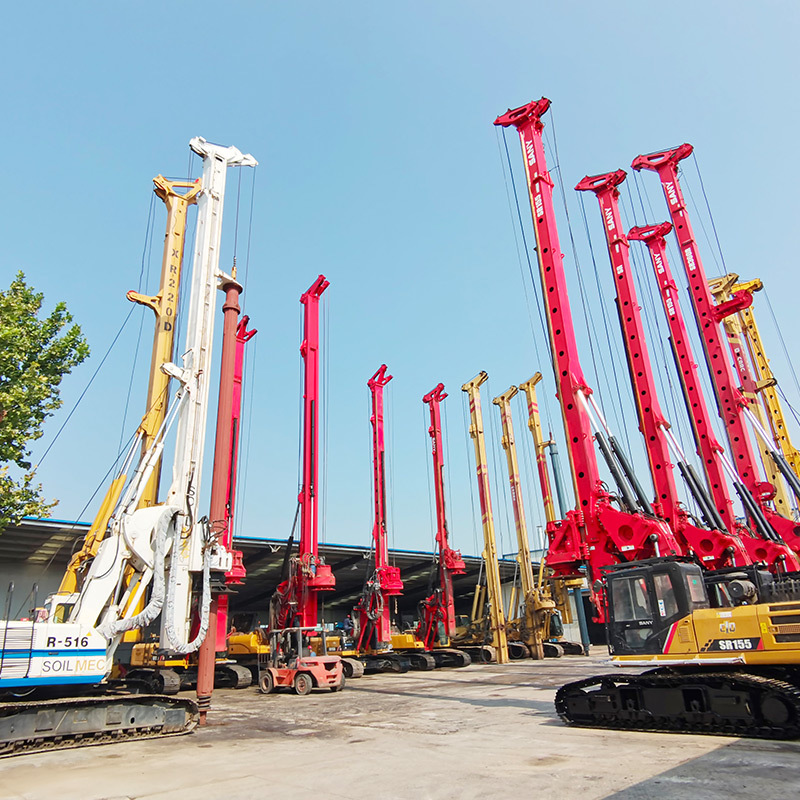
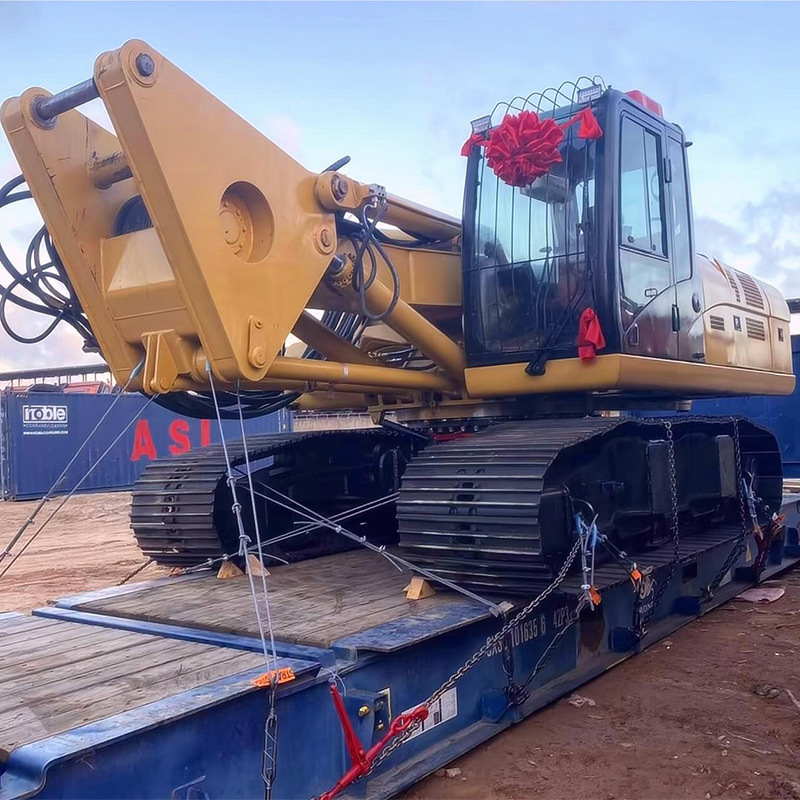
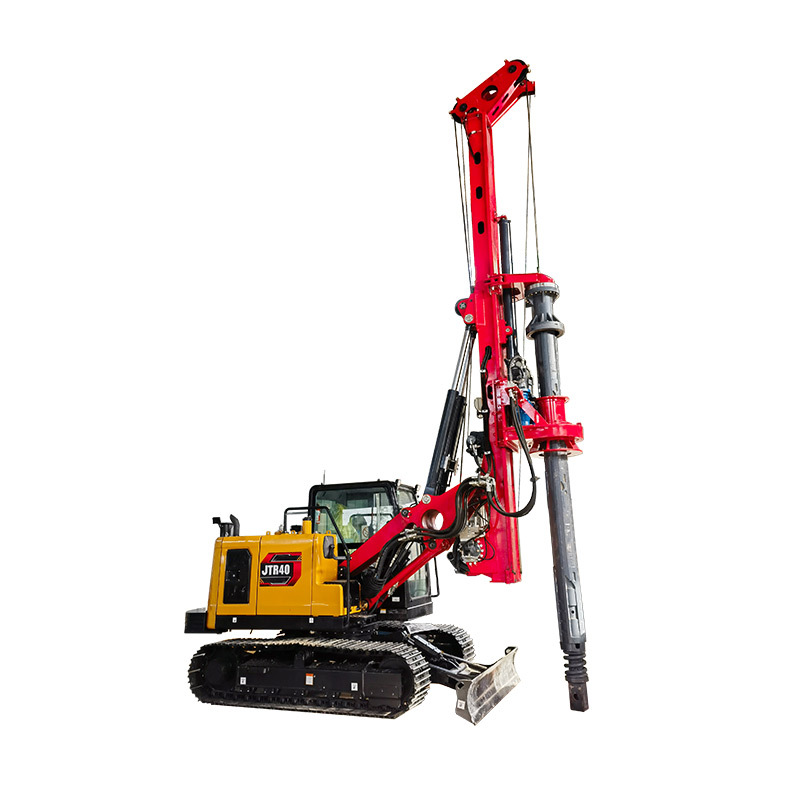
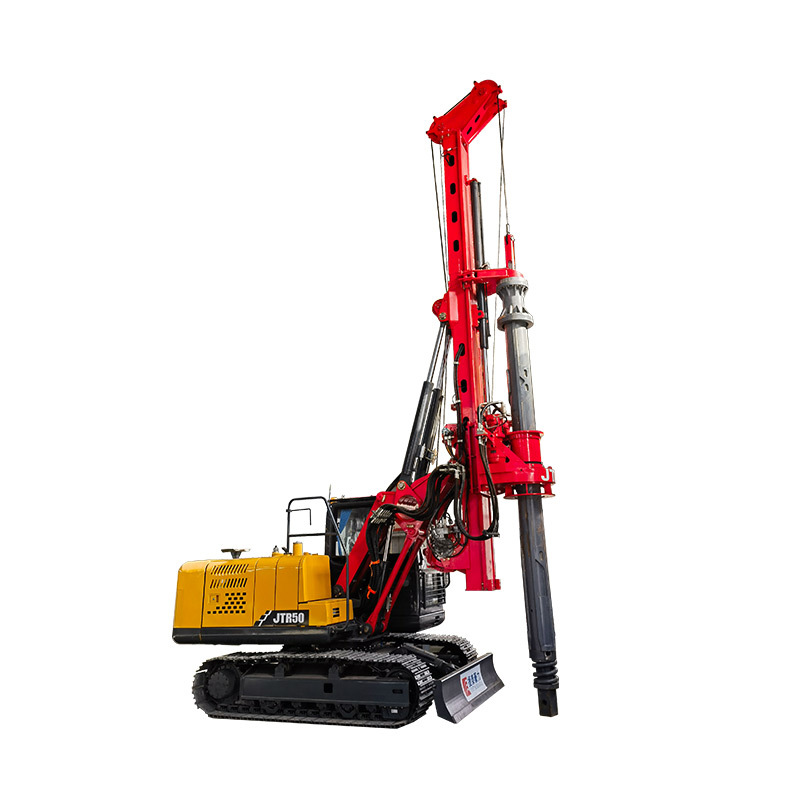
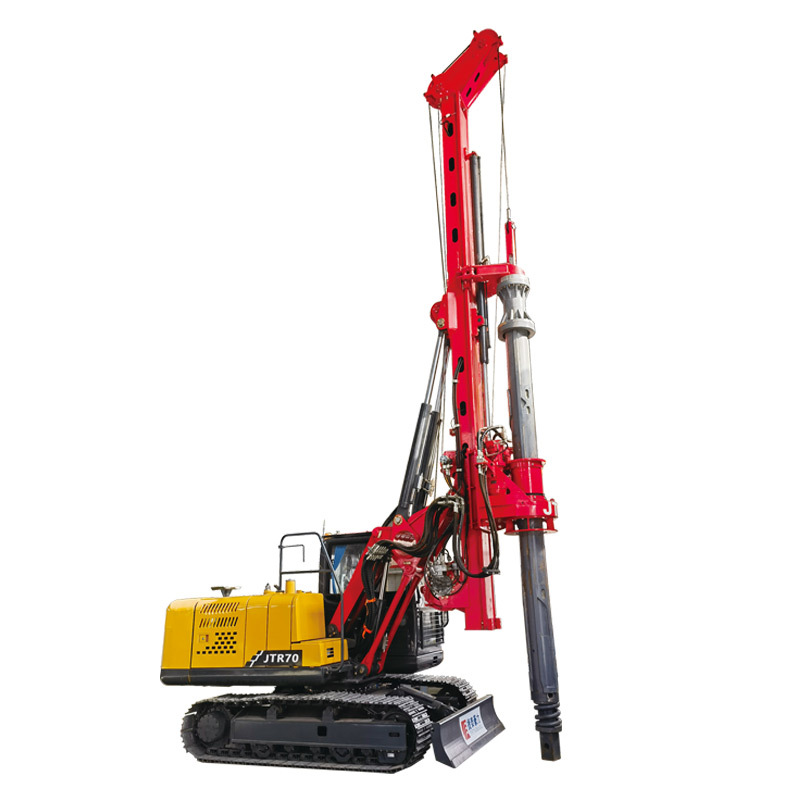
1. **Crawler Mounted Rigs:** These rigs are ideal for rough terrains. Their mobility and stability make them suitable for various drilling applications.
2. **Truck Mounted Rigs:** These models are easier to transport between job sites. They offer flexibility and are often used for smaller projects.
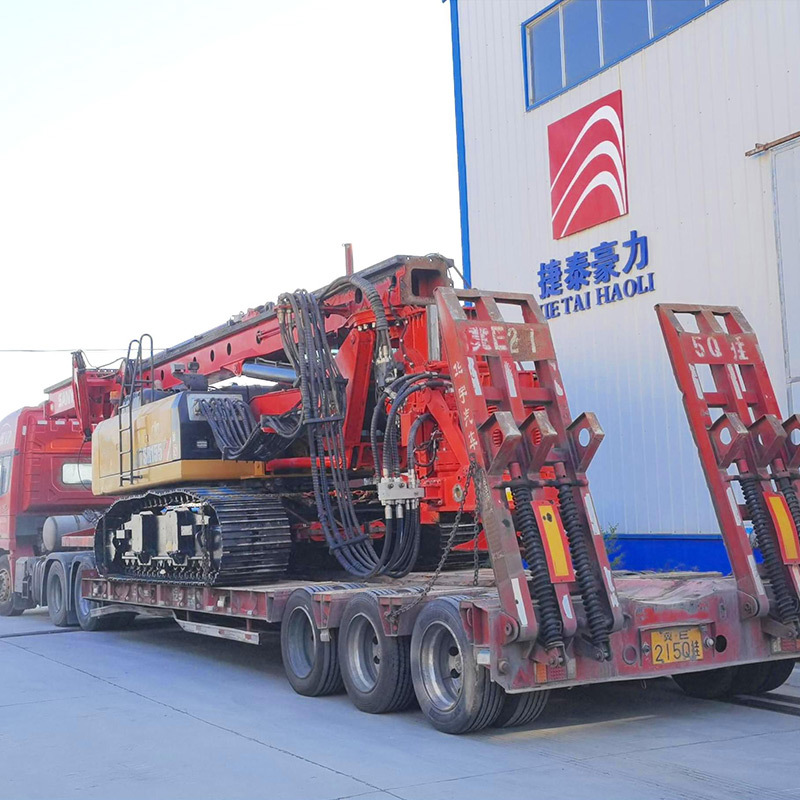
3. **Trailer Mounted Rigs:** Perfect for lighter drilling jobs, trailer-mounted rigs are easy to maneuver and transport.
4. **Barge Mounted Rigs:** These are specialized for offshore drilling projects and are designed to operate in water.
Factors to Consider When Choosing a Heavy Duty Rotary Drilling Rig
Choosing the right heavy-duty rotary drilling rig involves evaluating several critical factors:
1. Project Requirements
Before selecting a rig, assess the specific requirements of your project, including:
- **Soil and Rock Conditions:** Different models excel in various geological conditions. Analyze the site's soil composition and rock hardness to choose a drill head that effectively handles such materials.
- **Depth of Drilling:** Determine the required depth for your project. This will help you select a rig with appropriate drilling capacity.
- **Type of Drilling:** Identify whether the project involves exploratory drilling, production drilling, or geotechnical drilling, as each has unique demands.
2. Rig Specifications
Thoroughly review the specifications of each rig model. Key specifications to consider include:
- **Weight and Size:** Ensure that the rig is adequately sized for the site and can be transported easily without compromising stability.
- **Drilling Speed and Torque:** Higher drilling speed and torque are crucial for efficiency, especially in challenging conditions.
- **Load Capacity:** Ensure the rig can handle the required load, including drill string and any additional tools or equipment.
3. Technology Features
Modern rotary drilling rigs incorporate various technological advancements that improve performance:
- **Automated Systems:** Rigs with automated drilling systems can reduce manual labor and improve accuracy.
- **GPS and Mapping Technology:** Advanced rigs often feature GPS technology that aids in precise drilling and tracking.
- **Data Monitoring Systems:** Real-time data monitoring allows for immediate adjustments based on drilling conditions, enhancing safety and productivity.
4. Maintenance and Support Services
Consider the maintenance requirements and support services available for the rig model you select:
- **Ease of Maintenance:** Look for rigs that are easy to service, with accessible components for routine checks.
- **Manufacturer Support:** Choose a reputable manufacturer that offers robust customer service and readily available spare parts.
Cost Considerations
While selecting the right heavy-duty rotary drilling rig, budget is a crucial factor. However, it’s essential to evaluate cost not just in terms of the initial purchase price but also ongoing operational expenses:
1. Initial Purchase Price
Different models and brands come with varying price tags. Determine your budget while ensuring that the selected rig meets all required specifications.
2. Operating Costs
Evaluate the following ongoing costs:
- **Fuel Consumption:** Consider the rig's fuel efficiency and overall operating costs.
- **Maintenance Costs:** Account for routine maintenance and potential repairs that may arise during the rig's lifespan.
- **Training Costs:** Factor in the expenses associated with training operators to handle the selected rig efficiently.
Safety Features to Look For
Safety should always be a priority when selecting heavy-duty rotary drilling rigs. Look for features that enhance operator and site safety:
1. Emergency Shutdown Controls
Ensure the rig has easily accessible emergency controls for quick shutdown in case of an incident.
2. Safety Guards and Shields
Rigs should come equipped with guards to protect operators from moving parts and debris.
3. Operator Training Programs
Many manufacturers offer training programs for operators, which can significantly enhance safety and operational efficiency.
Comparing Heavy Duty Rotary Drilling Rig Models
Once you have a clear understanding of the factors involved in selecting a rotary drilling rig, it’s time to compare different models:
1. Feature Comparison
Create a comparison chart highlighting the essential specifications of each model you are considering. This visual aid will help clarify differences.
2. User Reviews and Case Studies
Research user reviews and case studies of projects completed with different rig models. Real-world experiences can provide insights that specifications may not reveal.
3. Demonstrations and Trials
Whenever possible, request demonstrations or trials from manufacturers. Testing a rig's performance in real conditions will provide invaluable information regarding its capabilities.
FAQs About Heavy Duty Rotary Drilling Rigs
1. What is the average lifespan of a heavy-duty rotary drilling rig?
The lifespan of a heavy-duty rotary drilling rig can vary significantly based on usage, maintenance, and environmental conditions. However, with proper care, many rigs can last 10-20 years.
2. How do I know if I need a crawler or truck-mounted rig?
Choose a crawler-mounted rig for rough terrain and demanding jobs, while truck-mounted rigs are more suitable for projects requiring mobility and easier transport.
3. What kind of training is required to operate a heavy-duty rotary drilling rig?
Operators should receive comprehensive training covering rig operation, safety protocols, and maintenance procedures. Many manufacturers offer training programs tailored to their specific models.
4. Are there financing options available for purchasing heavy-duty rotary drilling rigs?
Yes, many manufacturers and dealers offer financing options, including leases and loans, to help businesses acquire rigs without substantial upfront costs.
5. How can I ensure my rig is compliant with safety regulations?
Familiarize yourself with local safety regulations and standards. Regular inspections and maintenance, combined with operator training, will help ensure compliance.
Conclusion
Choosing the right heavy-duty rotary drilling rig model is a crucial decision that can significantly influence the success of your projects. By understanding the various factors involved—from project requirements and rig specifications to safety considerations and cost analysis—you can make informed choices that align with your operational needs. Take the time to compare different models and consult with manufacturers to find the best fit. With the right rig, you can enhance productivity, ensure safety, and ultimately achieve your project goals efficiently.
heavy duty rotary drilling rig

Business consulting:
Manufacturer: Shandong Jietai Haoli Machinery Equipment Co., Ltd.
Address: Nanchai industrial park, Hualong Town, Shouguang city, Shandong province
Business License
Copyright©2024 Shandong Jietai Haili Machinery Equipment Co., Ltd.