
14
2026
-
04
Exploring the Benefits of Second Hand Rotary Drilling Rigs for Your Construction Projects
Exploring the Benefits of Second Hand Rotary Drilling Rigs for Your Construction Projects Table of Contents Introduction to Second Hand Rotary Drilling Rigs Cost-Effectiveness of Second Hand Rotary Drilling Rigs Environmental Impact of Using Pre-Owned Equipment Versatile Applications of Rotary Drilling Rigs How to Choose the Right Second Hand Rotary Drilling Rig Maintenanc

Exploring the Benefits of Second Hand Rotary Drilling Rigs for Your Construction Projects
Table of Contents
- Introduction to Second Hand Rotary Drilling Rigs
- Cost-Effectiveness of Second Hand Rotary Drilling Rigs
- Environmental Impact of Using Pre-Owned Equipment
- Versatile Applications of Rotary Drilling Rigs
- How to Choose the Right Second Hand Rotary Drilling Rig
- Maintenance Tips for Second Hand Rotary Drilling Rigs
- Case Studies: Successful Projects Using Second Hand Rigs
- Frequently Asked Questions
- Conclusion
Introduction to Second Hand Rotary Drilling Rigs
In the construction industry, **rotary drilling rigs** play a crucial role in various applications, such as foundation drilling, soil sampling, and site preparation. As the demand for these machines continues to grow, so does the market for **second-hand rotary drilling rigs**. These pre-owned machines provide an opportunity for construction companies to acquire high-quality equipment at a fraction of the cost of new models.
In this article, we explore the numerous benefits associated with integrating second-hand rotary drilling rigs into your construction projects, emphasizing **cost-effectiveness**, **environmental considerations**, and the **versatility** of these machines.
Cost-Effectiveness of Second Hand Rotary Drilling Rigs
One of the most significant advantages of purchasing second-hand rotary drilling rigs is their **cost-effectiveness**. When acquiring new equipment, companies often face substantial financial burdens due to high purchase prices. Here are several reasons why second-hand rigs are a smart financial choice:
1. Reduced Purchase Costs
Second-hand rotary drilling rigs can cost anywhere from **30% to 70% less** than their new counterparts. This substantial price reduction allows companies to allocate resources more efficiently, investing in other critical areas such as hiring skilled labor or expanding project scope.
2. Lower Depreciation Rates
New machinery depreciates rapidly, with the first few years seeing the most significant drop in value. By opting for a second-hand rig, companies can avoid immediate depreciation rates, thereby retaining higher resale values in case of future equipment upgrades.
3. Financing Opportunities
Many dealerships and suppliers offer financing options for second-hand equipment. This flexibility enables construction companies to manage their cash flow effectively while still acquiring the machinery needed to complete projects.
4. Affordable Maintenance Costs
While second-hand rotary drilling rigs may require occasional maintenance, the overall costs associated with their upkeep are often lower. Established models have a track record of dependability, and spare parts are typically more accessible and affordable.
Environmental Impact of Using Pre-Owned Equipment
As industries strive to adopt more sustainable practices, the decision to utilize second-hand machinery contributes to **environmental protection**. Here are some key factors to consider:
1. Resource Conservation
By purchasing second-hand rotary drilling rigs, companies actively participate in resource conservation. This practice reduces the demand for new machinery production, which can be resource-intensive and harmful to the environment.
2. Reduced Carbon Footprint
The manufacturing process of new drilling rigs involves significant energy consumption and greenhouse gas emissions. Using pre-owned equipment helps mitigate these impacts, contributing to a **greener construction industry**.
3. Longer Equipment Lifespan
Well-maintained second-hand rotary drilling rigs can have a long operational lifespan. Extending the life of these machines ensures that existing resources are utilized effectively, minimizing waste and maximizing utility.
Versatile Applications of Rotary Drilling Rigs
Second-hand rotary drilling rigs are **versatile** tools that can be implemented in various construction projects. Here’s a look at some of their most common applications:
1. Foundation Drilling
Whether constructing residential or commercial buildings, rotary drilling rigs are essential for creating deep foundations. They efficiently bore holes for piles, ensuring structural stability.
2. Soil Sampling and Testing
Construction projects must assess soil conditions before any work begins. Rotary drilling rigs facilitate soil sampling, providing valuable data to engineers and geologists for informed decision-making.
3. Environmental Remediation
In projects requiring the remediation of contaminated sites, rotary drilling rigs are employed to extract pollutants and implement cleanup strategies effectively.
4. Geothermal Drilling
With the rising popularity of renewable energy, rotary drilling rigs are increasingly used for geothermal drilling. This method harnesses natural heat from below the earth’s surface, providing sustainable energy solutions.
How to Choose the Right Second Hand Rotary Drilling Rig
Choosing the right second-hand rotary drilling rig involves a careful evaluation of your project requirements and the available options. Here’s a guide to help you make an informed decision:
1. Assess Project Specifications
Determine the specific requirements of your projects, including the type of soil, depth, and diameter of the boreholes. This information will guide you in selecting a rig that meets your needs.
2. Evaluate Equipment Condition
Inspect the physical condition of the rig, including the engine, hydraulic systems, and drill bits. Request maintenance records to understand the machine’s history and any previous repairs.
3. Consider the Brand and Model
Some brands and models are known for their reliability and performance. Research the reputation of the manufacturer and seek recommendations from industry peers.
4. Seek Professional Advice
Consult with equipment experts or seek advice from experienced contractors. Their insights can help you navigate the purchasing process and avoid potential pitfalls.
Maintenance Tips for Second Hand Rotary Drilling Rigs
Proper maintenance is crucial for ensuring the longevity and performance of second-hand rotary drilling rigs. Here are essential tips to keep your equipment in optimal condition:
1. Regular Inspections
Schedule routine inspections to identify any signs of wear or damage. Early detection of issues can prevent costly repairs and downtime.
2. Lubrication and Fluid Checks
Regularly check oil levels and hydraulic fluids, ensuring that all moving parts are adequately lubricated. This practice reduces friction and prolongs the life of the machinery.
3. Replace Worn Components
Monitor drill bits and other wear components for signs of deterioration. Replacing worn parts promptly can maintain drilling efficiency and safety.
4. Follow Manufacturer Guidelines
Adhere to the manufacturer’s maintenance recommendations to ensure that you’re conducting necessary upkeep effectively and safely.
Case Studies: Successful Projects Using Second Hand Rigs
Examining real-life examples can provide insights into the practical applications of second-hand rotary drilling rigs. Here are two case studies demonstrating their effectiveness:
1. Urban Development Project
In a recent urban development project, a construction company opted for a second-hand rotary drilling rig to bore foundations for multiple high-rise buildings. The cost savings allowed them to allocate additional funds toward enhancing urban infrastructure, ultimately resulting in a successful project completion ahead of schedule.
2. Environmental Cleanup
A second-hand rotary drilling rig was employed in an environmental cleanup project to extract pollutants from a contaminated site. The rig’s versatility allowed the team to adapt to various soil conditions, leading to a successful remediation process and restoring the site for future use.
Frequently Asked Questions
1. Are second-hand rotary drilling rigs reliable?
Yes, many second-hand rotary drilling rigs are reliable, especially if they have been well-maintained and have a solid service history. Always conduct thorough inspections before purchasing.
2. How do I find reputable sellers of second-hand rigs?
Look for established equipment dealers with positive reviews and industry experience. Networking within industry forums can also lead to valuable recommendations.
3. What should I check during an inspection of a second-hand rig?
Inspect the overall physical condition, hydraulic systems, engine performance, and any signs of wear on drill bits and other components.
4. Can second-hand rigs be upgraded?
Yes, many second-hand rotary drilling rigs can be upgraded with modern technology and features to improve performance and efficiency.
5. What is the typical lifespan of a rotary drilling rig?
The lifespan of a rotary drilling rig can vary depending on usage and maintenance, but many can operate effectively for **10-20 years** or more with proper care.
Conclusion
Integrating second-hand rotary drilling rigs into your construction projects presents numerous **benefits**, including significant cost savings, environmental advantages, and versatile applications. By carefully selecting well-maintained equipment and investing in proper maintenance, your construction company can enhance its operational efficiency while promoting sustainability.
As the construction industry continues to evolve, embracing pre-owned machinery represents a smart, strategic choice for organizations aiming to thrive in a competitive market. With the right approach, second-hand rotary drilling rigs can serve as valuable assets, paving the way for successful projects and lasting impacts in the construction landscape.
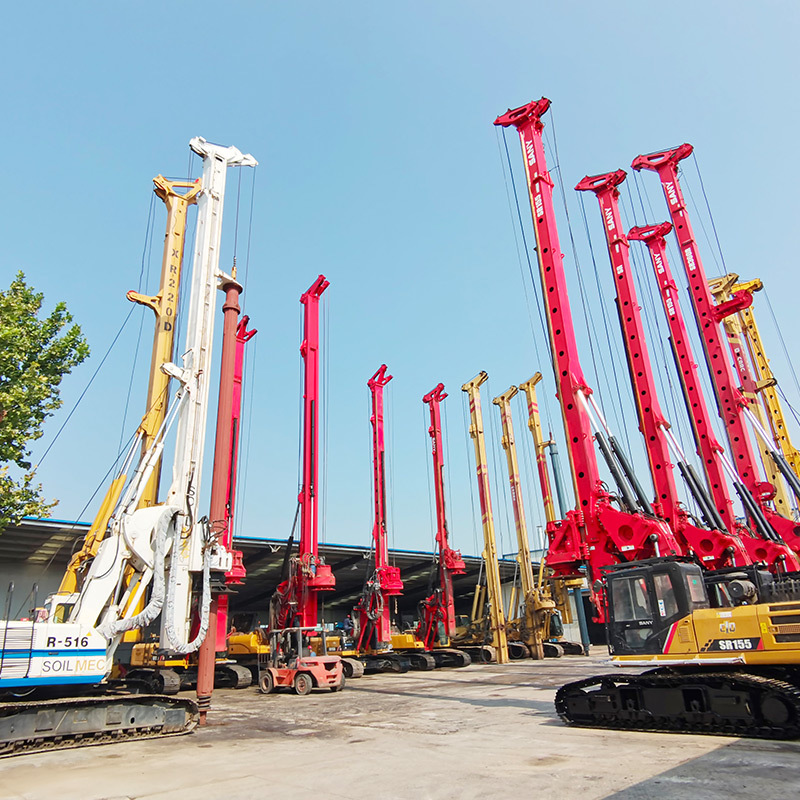
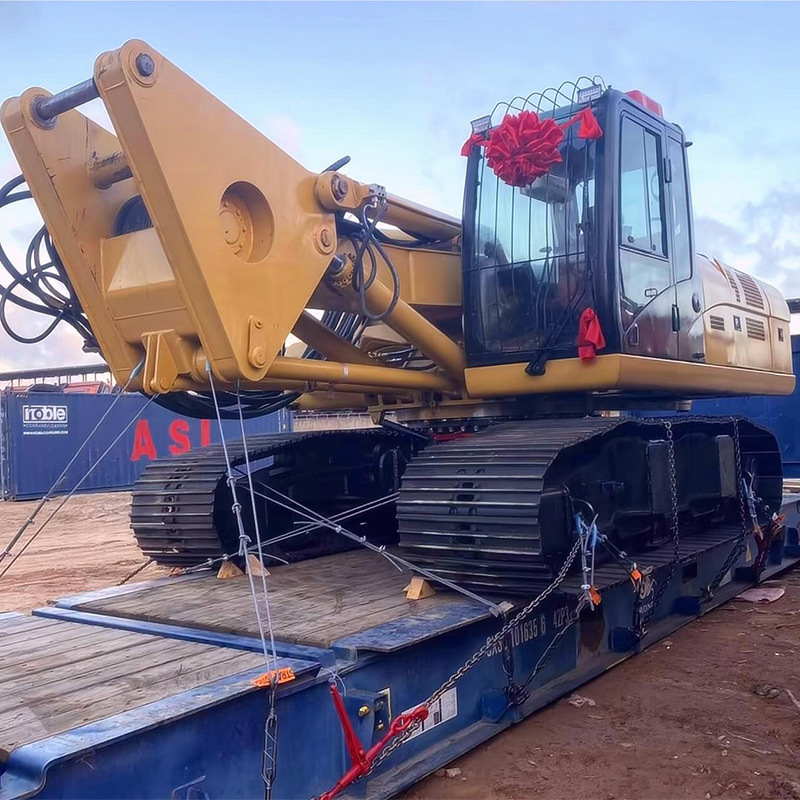
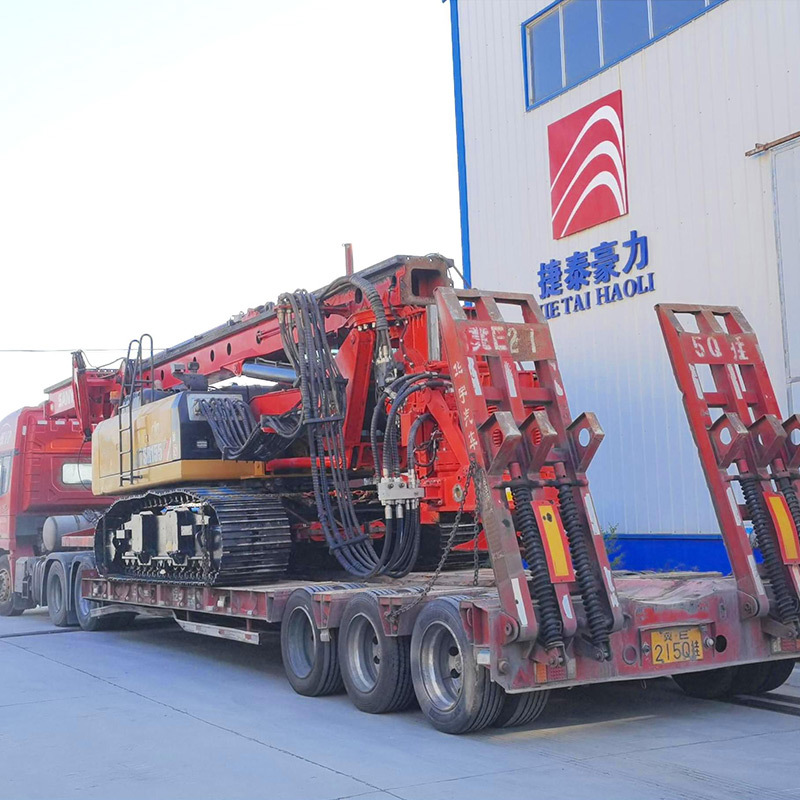
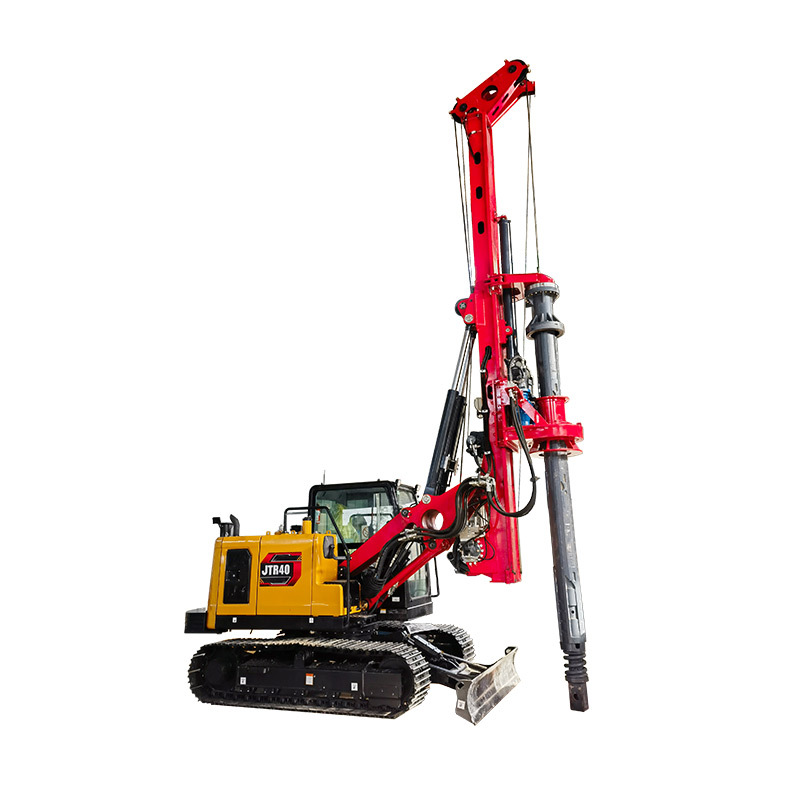
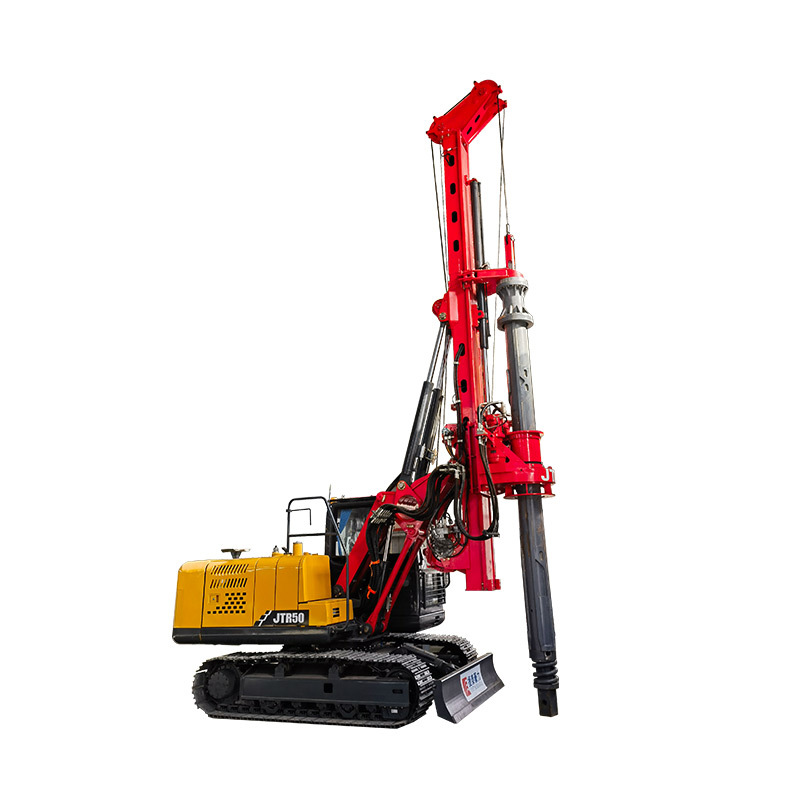
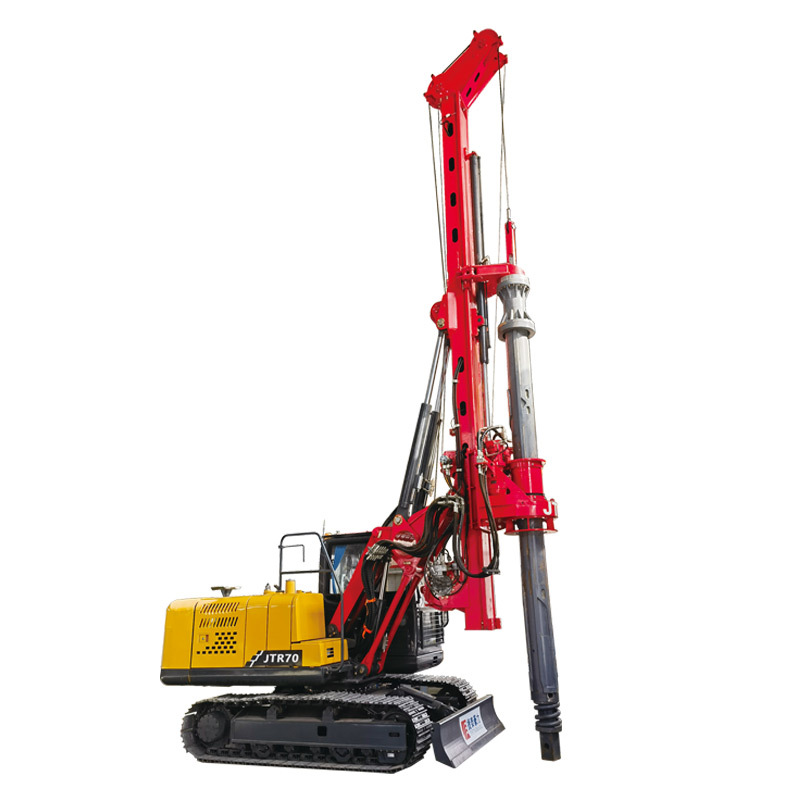
Second hand rotary drilling rig

Business consulting:
Manufacturer: Shandong Jietai Haoli Machinery Equipment Co., Ltd.
Address: Nanchai industrial park, Hualong Town, Shouguang city, Shandong province
Business License
Copyright©2024 Shandong Jietai Haili Machinery Equipment Co., Ltd.