
13
2026
-
05
Understanding Casing Shoes for Drilling Rigs: Essential Insights for Professionals
Casing shoes are vital components in drilling operations, especially in the realm of engineering and construction machinery. They serve as the lower section of the casing string, facilitating the installation of the casing into the drilled borehole. Understanding the function and characteristics of casing shoes is essential for professionals involved in drilling activities. The primary purpose of

Casing shoes are vital components in drilling operations, especially in the realm of engineering and construction machinery. They serve as the lower section of the casing string, facilitating the installation of the casing into the drilled borehole. Understanding the function and characteristics of casing shoes is essential for professionals involved in drilling activities.
The primary purpose of a casing shoe is to protect the casing from damage during the drilling process and to provide a means for the casing to be guided into the wellbore. Typically, casing shoes are designed with a tapered shape, which allows them to penetrate the formation more efficiently and minimize the risk of hang-ups during installation. This tapered design also helps to reduce the amount of torque required to run the casing into the hole, promoting a smoother drilling operation.
Casing shoes come equipped with various features that enhance their performance. For instance, they often include a built-in float valve that helps prevent the backflow of drilling fluids into the casing. This is crucial, as it maintains the integrity of the wellbore and ensures that the casing remains in the intended position. Additionally, many casing shoes are equipped with hard-facing materials or other wear-resistant coatings, which provide added protection against abrasion and extend the life of the shoe.
In terms of application, casing shoes are utilized across a variety of drilling contexts, including oil and gas extraction, geothermal energy projects, and water well drilling. Selecting the right casing shoe is critical, as it can significantly impact the success of the drilling operation. Factors such as the depth of the well, the type of formation, and the expected pressure and temperature conditions should all be considered when choosing a casing shoe.
Best practices for using casing shoes include ensuring proper alignment during installation and regularly inspecting the shoes for signs of wear or damage before and after each drilling operation. In addition, operators should be familiar with the specific characteristics of the casing shoe being used, including its weight, size, and material composition, to optimize its performance in various drilling environments.
In conclusion, casing shoes are an indispensable part of the drilling rig assembly, contributing to the overall efficiency and safety of drilling operations. By understanding their design, function, and application, professionals in the manufacturing and engineering sectors can make informed decisions that lead to more successful drilling outcomes.
The primary purpose of a casing shoe is to protect the casing from damage during the drilling process and to provide a means for the casing to be guided into the wellbore. Typically, casing shoes are designed with a tapered shape, which allows them to penetrate the formation more efficiently and minimize the risk of hang-ups during installation. This tapered design also helps to reduce the amount of torque required to run the casing into the hole, promoting a smoother drilling operation.
Casing shoes come equipped with various features that enhance their performance. For instance, they often include a built-in float valve that helps prevent the backflow of drilling fluids into the casing. This is crucial, as it maintains the integrity of the wellbore and ensures that the casing remains in the intended position. Additionally, many casing shoes are equipped with hard-facing materials or other wear-resistant coatings, which provide added protection against abrasion and extend the life of the shoe.
In terms of application, casing shoes are utilized across a variety of drilling contexts, including oil and gas extraction, geothermal energy projects, and water well drilling. Selecting the right casing shoe is critical, as it can significantly impact the success of the drilling operation. Factors such as the depth of the well, the type of formation, and the expected pressure and temperature conditions should all be considered when choosing a casing shoe.
Best practices for using casing shoes include ensuring proper alignment during installation and regularly inspecting the shoes for signs of wear or damage before and after each drilling operation. In addition, operators should be familiar with the specific characteristics of the casing shoe being used, including its weight, size, and material composition, to optimize its performance in various drilling environments.
In conclusion, casing shoes are an indispensable part of the drilling rig assembly, contributing to the overall efficiency and safety of drilling operations. By understanding their design, function, and application, professionals in the manufacturing and engineering sectors can make informed decisions that lead to more successful drilling outcomes.
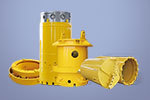
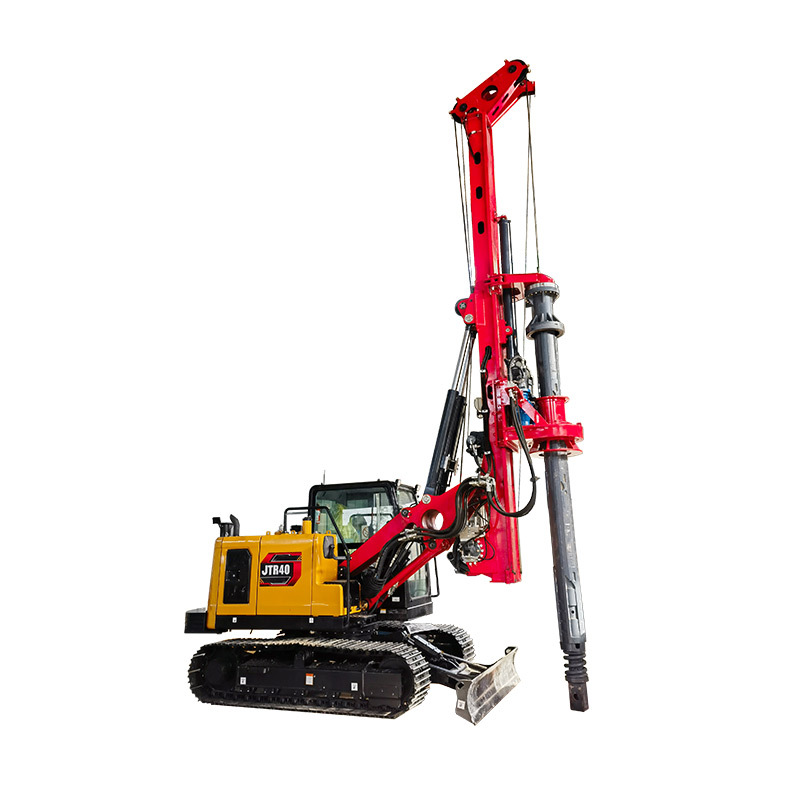
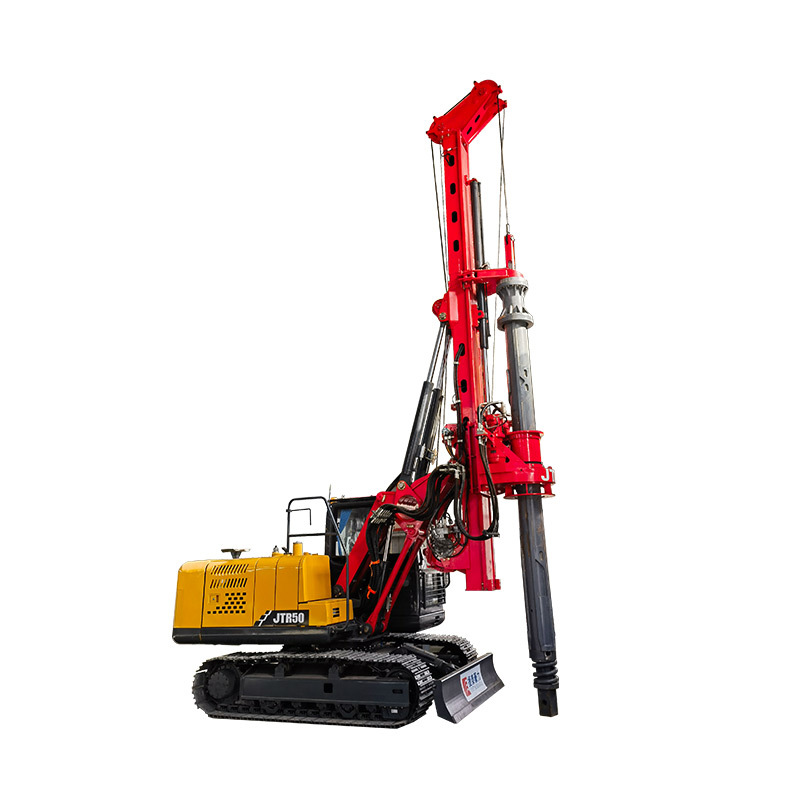
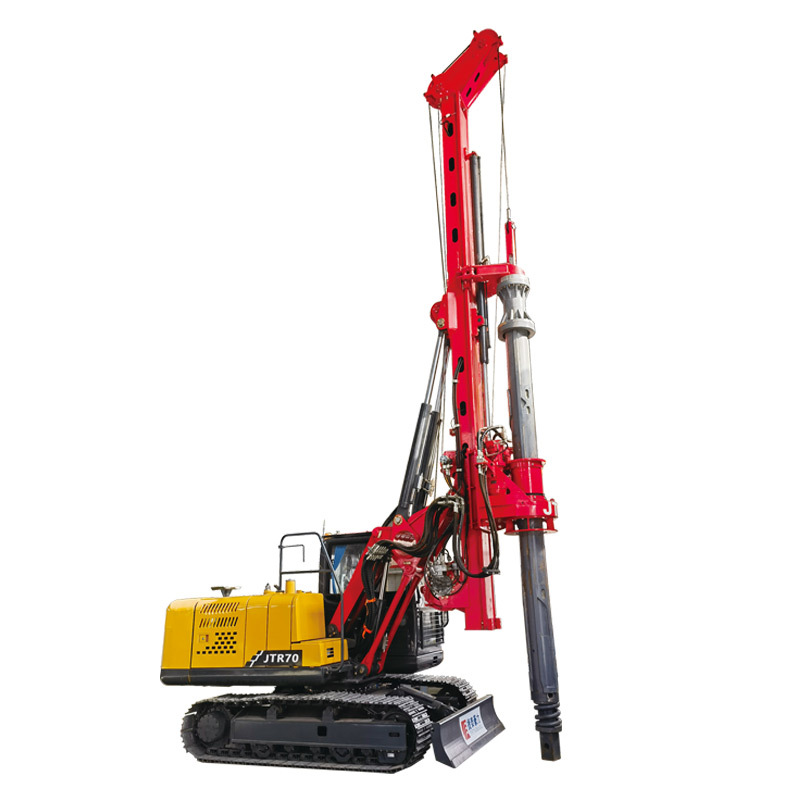
casing shoe for drilling rig

Business consulting:
Manufacturer: Shandong Jietai Haoli Machinery Equipment Co., Ltd.
Address: Nanchai industrial park, Hualong Town, Shouguang city, Shandong province
Business License
Copyright©2024 Shandong Jietai Haili Machinery Equipment Co., Ltd.