
14
2026
-
05
Why Heavy Duty Rotary Drilling Rigs are Essential for Construction Efficiency
Why Heavy Duty Rotary Drilling Rigs are Essential for Construction Efficiency Table of Contents 1. Introduction to Heavy Duty Rotary Drilling Rigs 2. Understanding the Mechanism of Rotary Drilling 3. Key Benefits of Using Heavy Duty Rotary Drilling Rigs 3.1 Enhanced Efficiency and Speed 3.2 Improved Precision in Drilling 3.3 Cost-Effectiveness and Time-Saving 4. Applications of Heavy Duty Rotary D

Why Heavy Duty Rotary Drilling Rigs are Essential for Construction Efficiency
Table of Contents
1. Introduction to Heavy Duty Rotary Drilling Rigs
2. Understanding the Mechanism of Rotary Drilling
3. Key Benefits of Using Heavy Duty Rotary Drilling Rigs
3.1 Enhanced Efficiency and Speed
3.2 Improved Precision in Drilling
3.3 Cost-Effectiveness and Time-Saving
4. Applications of Heavy Duty Rotary Drilling Rigs in Construction
4.1 Foundation Construction
4.2 Infrastructure Projects
4.3 Environmental Considerations
5. Technological Innovations in Heavy Duty Rotary Drilling
5.1 Automation and Remote Monitoring
5.2 Enhanced Safety Features
6. Choosing the Right Heavy Duty Rotary Drilling Rig
6.1 Factors to Consider
6.2 Types of Heavy Duty Rotary Drilling Rigs
7. Maintenance and Best Practices for Rotary Drilling Rigs
8. Frequently Asked Questions (FAQs)
9. Conclusion
1. Introduction to Heavy Duty Rotary Drilling Rigs
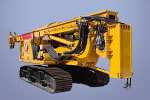
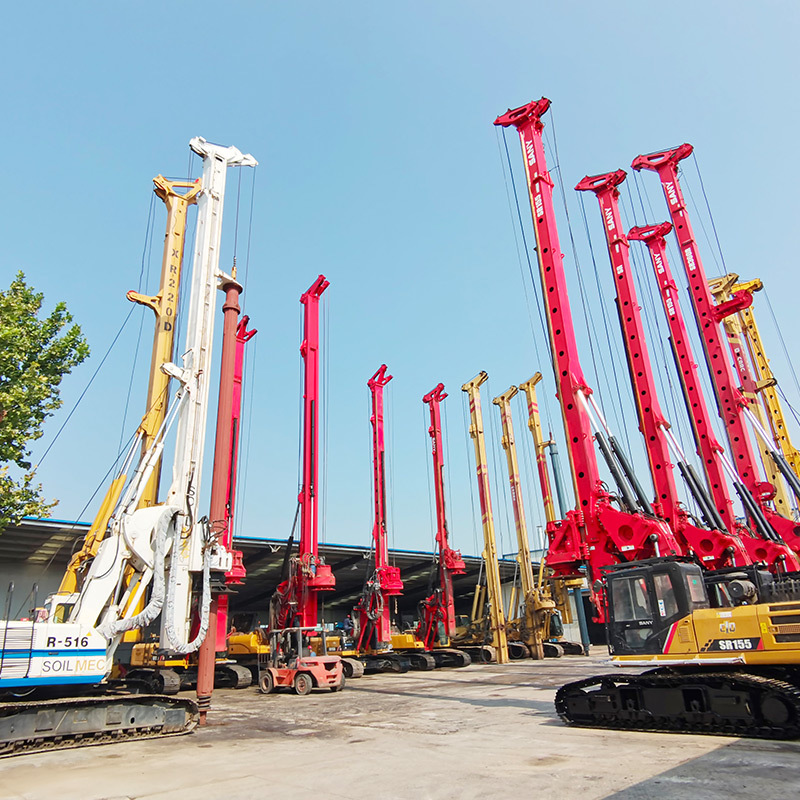
Heavy-duty rotary drilling rigs have become indispensable in the construction industry, particularly for large-scale projects requiring deep and precise drilling. These robust machines are designed to tackle the toughest geological conditions, allowing construction companies to efficiently prepare sites for foundations, utilities, and other essential infrastructure. As we explore the significance of these rigs, we'll examine their operational mechanisms, benefits, and applications, all while highlighting the latest technological advancements that enhance their performance.
2. Understanding the Mechanism of Rotary Drilling
Rotary drilling involves the use of a rotating drill bit that penetrates the ground with the assistance of a drilling fluid. This fluid, often referred to as mud, serves multiple purposes: it cools the drill bit, removes cuttings from the borehole, and stabilizes the wellbore. Heavy-duty rotary drilling rigs utilize powerful engines and advanced hydraulic systems to deliver exceptional torque and lift capacity, enabling them to drill through various soil and rock formations.
The operational process of rotary drilling includes several key components:
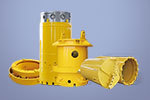
- **Drill Bit**: The cutting tool that breaks the ground, available in various shapes and materials depending on the geological conditions.
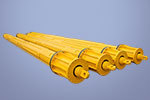
- **Drill Pipe**: A series of connected pipes that transmit rotational force from the rig to the drill bit.
- **Mud Pump**: Circulates drilling fluid to the drill bit while removing cuttings from the borehole.
- **Derrick**: A tower structure that supports the drill string and provides a means to lift and lower the drill pipe.
Understanding these components is critical in recognizing the efficiency and effectiveness of heavy-duty rotary drilling rigs in construction projects.
3. Key Benefits of Using Heavy Duty Rotary Drilling Rigs
3.1 Enhanced Efficiency and Speed
One of the primary advantages of heavy-duty rotary drilling rigs is their ability to significantly increase drilling speed. With high torque and powerful engines, these rigs can penetrate tough materials quickly, reducing the overall project timeline. This efficiency translates into lower labor costs and quicker project completion, making them a preferred choice for contractors.
3.2 Improved Precision in Drilling
Precision is crucial in construction, particularly when creating foundations and infrastructure. Heavy-duty rotary drilling rigs are equipped with advanced technology that allows for accurate depth measurements and alignment, ensuring that boreholes are drilled precisely where they are needed. This level of precision minimizes the risk of costly mistakes and rework.
3.3 Cost-Effectiveness and Time-Saving
Investing in heavy-duty rotary drilling rigs can lead to significant cost savings in the long run. Their efficiency minimizes downtime and reduces the number of man-hours required for drilling projects. Additionally, the reduced risk of errors translates into fewer expenses related to repairs and modifications, ultimately enhancing the return on investment for construction companies.
4. Applications of Heavy Duty Rotary Drilling Rigs in Construction
4.1 Foundation Construction
Heavy-duty rotary drilling rigs are essential for creating strong, stable foundations for buildings and structures. They can handle various foundation types, including piles, caissons, and drilled shafts. By providing deep and reliable anchorage, these rigs ensure that structures remain safe and secure for years to come.
4.2 Infrastructure Projects
In addition to foundation work, heavy-duty rotary drilling rigs play a critical role in infrastructure projects such as bridges, highways, and tunnels. They are utilized for drilling boreholes for utilities, anchoring systems, and soil stabilization, significantly contributing to the overall integrity of these essential structures.
4.3 Environmental Considerations
With increasing awareness of environmental impact, heavy-duty rotary drilling rigs are designed to minimize ecological disruption. Many modern rigs incorporate features that reduce noise and emissions, while advanced drilling fluids are utilized to protect groundwater sources. These environmentally friendly practices help construction companies comply with regulations and maintain their commitment to sustainability.
5. Technological Innovations in Heavy Duty Rotary Drilling
5.1 Automation and Remote Monitoring
The construction industry has seen remarkable advancements in automation, and heavy-duty rotary drilling rigs are no exception. Many rigs now come equipped with automated systems that enhance operational efficiency. Remote monitoring technology allows operators to track rig performance and make real-time adjustments, thus improving accuracy and reducing the likelihood of human error.
5.2 Enhanced Safety Features
Safety is paramount in construction, and heavy-duty rotary drilling rigs prioritize this concern. Modern rigs are equipped with advanced safety features, including emergency shut-off systems, improved visibility controls, and operator training programs. These enhancements help mitigate risks associated with drilling operations, ensuring a safer working environment for all personnel involved.
6. Choosing the Right Heavy Duty Rotary Drilling Rig
6.1 Factors to Consider
When selecting a heavy-duty rotary drilling rig, several factors should be considered to ensure optimal performance and efficiency:
- **Project Requirements**: Assess the specific drilling depth, diameter, and soil conditions.
- **Rig Specifications**: Evaluate the rig's power, torque, and capabilities to handle the anticipated workload.
- **Budget Constraints**: Determine the financial resources available while considering the long-term ROI.
6.2 Types of Heavy Duty Rotary Drilling Rigs
There are various types of heavy-duty rotary drilling rigs available, each suited to specific applications:
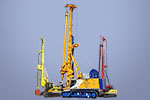
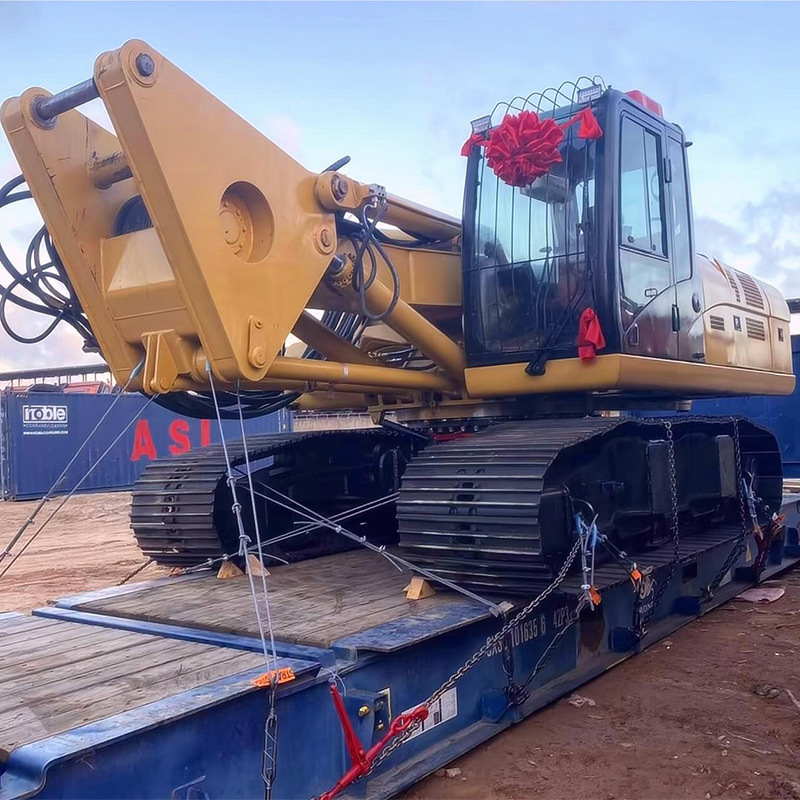
- **Crawler Rigs**: Known for their mobility and versatility, ideal for various terrains.
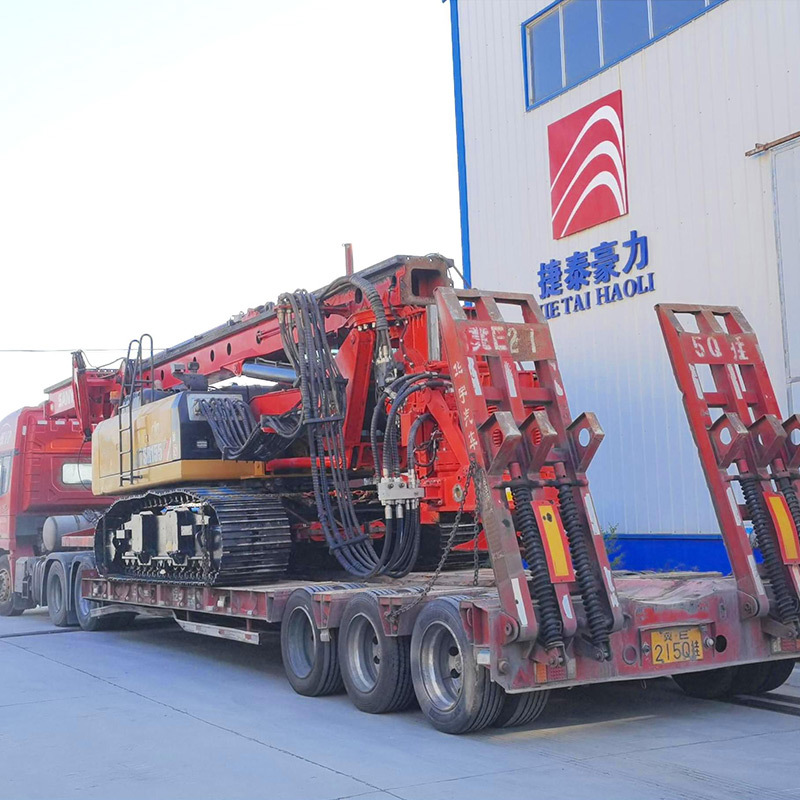
- **Truck-Mounted Rigs**: Suitable for projects requiring higher speed and transportability.
- **Platform Rigs**: Designed for large-scale projects, offering stability and power.
Understanding the distinctions between these types is crucial in making an informed decision that aligns with project goals.
7. Maintenance and Best Practices for Rotary Drilling Rigs
Regular maintenance is essential for maximizing the lifespan and performance of heavy-duty rotary drilling rigs. Here are some best practices:
- **Routine Inspections**: Conduct regular inspections of all rig components, including the drill bit, drill pipe, and hydraulic systems, to identify and address wear and tear.
- **Lubrication**: Ensure proper lubrication of moving parts to reduce friction and prevent breakdowns.
- **Operator Training**: Invest in comprehensive training programs for operators to enhance safety and efficiency on the job site.
Implementing these practices will contribute to the longevity and reliability of heavy-duty rotary drilling rigs, reducing the likelihood of costly repairs and downtime.
8. Frequently Asked Questions (FAQs)
Q1: What is the primary purpose of heavy-duty rotary drilling rigs?
A1: Heavy-duty rotary drilling rigs are designed to create deep boreholes for various applications, including foundation construction, utility installation, and infrastructure projects.
Q2: How does rotary drilling compare to other drilling methods?
A2: Rotary drilling is typically faster and more efficient than other methods, such as percussion drilling, particularly in hard or rocky ground.
Q3: Are modern rotary drilling rigs environmentally friendly?
A3: Yes, many modern rigs incorporate features that minimize ecological disruption, such as reduced emissions and noise, alongside environmentally safe drilling fluids.
Q4: What factors should I consider when choosing a rotary drilling rig?
A4: Consider project requirements, rig specifications, and budget constraints to ensure you select the best rig for your needs.
Q5: How can I maintain my heavy-duty rotary drilling rig effectively?
A5: Regular inspections, proper lubrication, and comprehensive operator training are key to ensuring the rig operates reliably and efficiently.
9. Conclusion
Heavy-duty rotary drilling rigs are fundamental to achieving construction efficiency, enabling contractors to meet the rising demands of modern projects. Their ability to deliver speed, precision, and cost-effectiveness makes them an invaluable asset in the construction industry. By understanding their mechanisms, benefits, and applications, as well as staying informed about technological advancements, construction companies can harness the full potential of these powerful machines. Investing in the right rig and adhering to maintenance best practices will ensure successful project outcomes, paving the way for a more efficient and sustainable construction future.
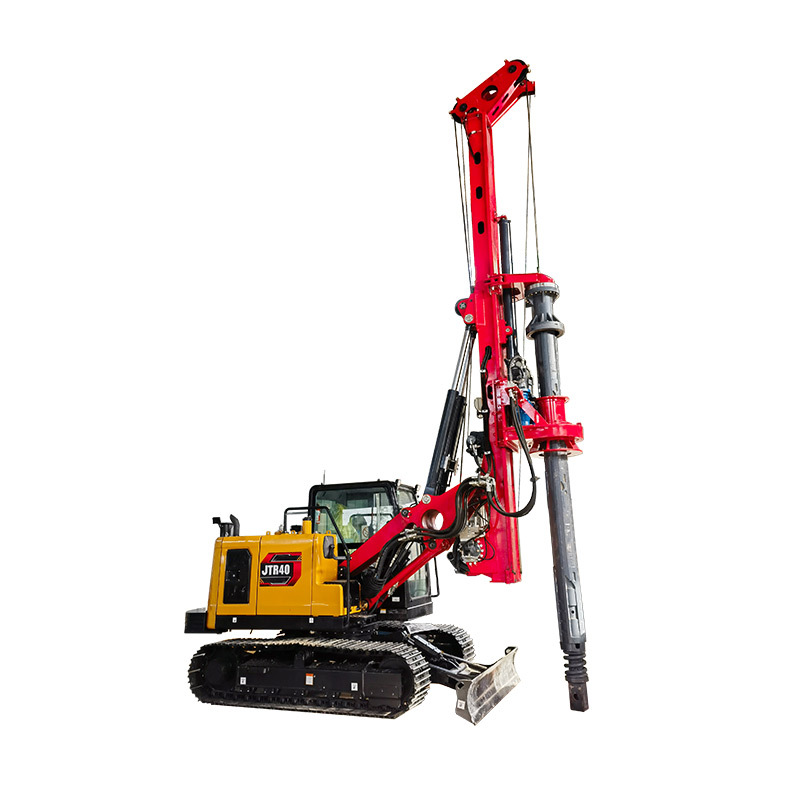
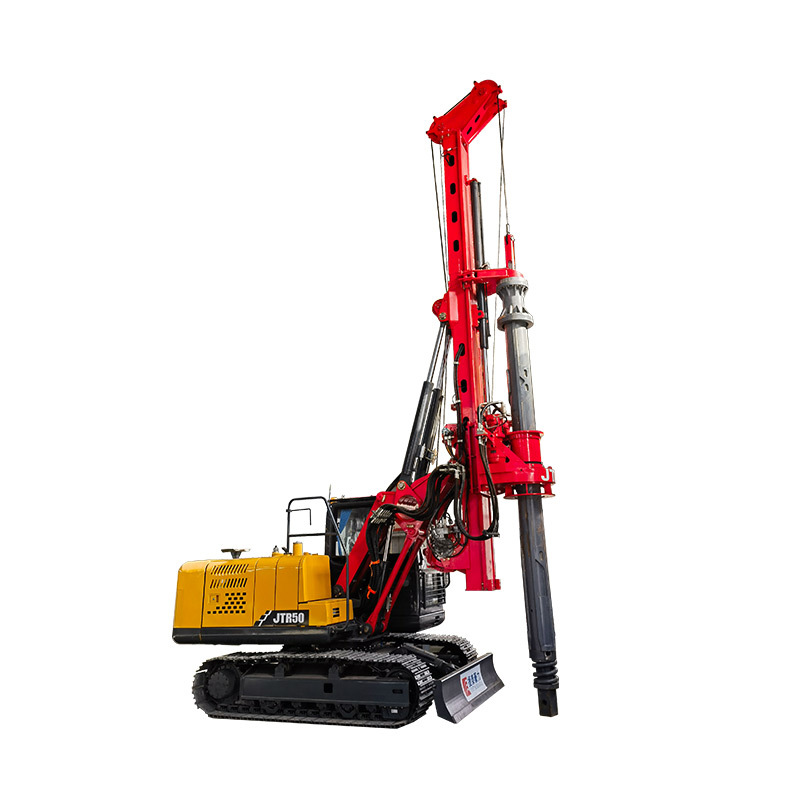
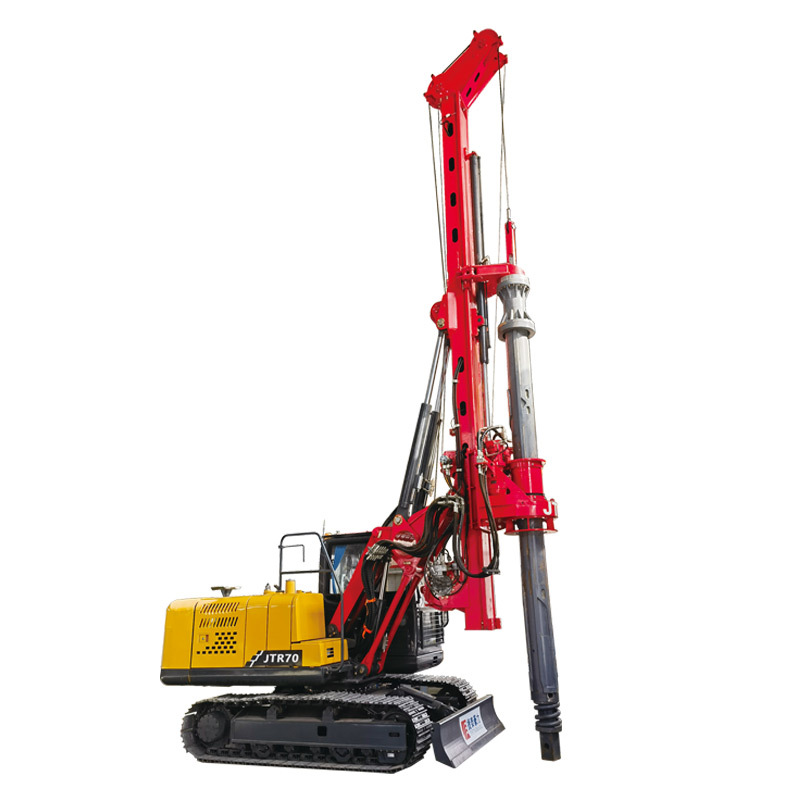
heavy duty rotary drilling rig

Business consulting:
Manufacturer: Shandong Jietai Haoli Machinery Equipment Co., Ltd.
Address: Nanchai industrial park, Hualong Town, Shouguang city, Shandong province
Business License
Copyright©2024 Shandong Jietai Haili Machinery Equipment Co., Ltd.