
14
2026
-
05
Understanding Kelly Bars for Rotary Drilling Rigs: Essential Insights for Efficient Operations
--- In the realm of rotary drilling rigs, the Kelly bar serves as a pivotal component that significantly impacts the effectiveness and efficiency of drilling operations. A Kelly bar is a long, slender tool that connects the drill string to the rotary drive mechanism, allowing for the transfer of torque and enabling the drilling rig to penetrate various soil and rock formations. Understanding the i

---
In the realm of rotary drilling rigs, the Kelly bar serves as a pivotal component that significantly impacts the effectiveness and efficiency of drilling operations. A Kelly bar is a long, slender tool that connects the drill string to the rotary drive mechanism, allowing for the transfer of torque and enabling the drilling rig to penetrate various soil and rock formations. Understanding the intricacies of Kelly bars is essential for optimizing drilling performance and ensuring successful project outcomes.
One of the primary functions of the Kelly bar is to provide the necessary rotational force needed to turn the drill bit. This is achieved through the engagement of the Kelly bar with the rotary table of the drilling rig. The design of the Kelly bar typically incorporates interlocking sections that allow for adjustable lengths, accommodating different drilling depths and formations. This adaptability is particularly important in construction and engineering projects where soil conditions can vary significantly.
The materials used in the construction of Kelly bars are critical for their performance. High-strength steel is commonly utilized to ensure durability and resistance to wear and tear, which is vital given the demanding nature of drilling operations. Additionally, many modern Kelly bars feature surface treatments that enhance corrosion resistance, thereby prolonging their lifespan and reducing maintenance requirements.
Another important aspect of Kelly bars is their role in the overall stability of the rotary drilling rig. A well-designed Kelly bar helps to maintain the rig's center of gravity, which is crucial for preventing tipping during operation, especially when dealing with challenging soil conditions or high-angled drilling. Furthermore, the Kelly bar's ability to absorb shock loads during drilling operations helps to protect both the rig and the drill bit from potential damage.
When selecting a Kelly bar for a rotary drilling rig, it is important to consider factors such as the type of drilling application, the expected soil conditions, and the required drilling depth. Customization options are often available, allowing operators to tailor the Kelly bar to their specific project needs. Ensuring compatibility with the existing rig equipment is also essential to maximize performance and efficiency.
In summary, the Kelly bar is an integral part of rotary drilling rigs that enhances the drilling process by providing torque transfer, ensuring stability, and increasing operational efficiency. By understanding the significance of Kelly bars and their technical specifications, professionals in the manufacturing and construction sectors can make informed decisions that lead to successful drilling operations. Whether dealing with challenging materials or striving for greater efficiency, a thorough comprehension of Kelly bars is indispensable for achieving project goals in the engineering and construction machinery landscape.
In the realm of rotary drilling rigs, the Kelly bar serves as a pivotal component that significantly impacts the effectiveness and efficiency of drilling operations. A Kelly bar is a long, slender tool that connects the drill string to the rotary drive mechanism, allowing for the transfer of torque and enabling the drilling rig to penetrate various soil and rock formations. Understanding the intricacies of Kelly bars is essential for optimizing drilling performance and ensuring successful project outcomes.
One of the primary functions of the Kelly bar is to provide the necessary rotational force needed to turn the drill bit. This is achieved through the engagement of the Kelly bar with the rotary table of the drilling rig. The design of the Kelly bar typically incorporates interlocking sections that allow for adjustable lengths, accommodating different drilling depths and formations. This adaptability is particularly important in construction and engineering projects where soil conditions can vary significantly.
The materials used in the construction of Kelly bars are critical for their performance. High-strength steel is commonly utilized to ensure durability and resistance to wear and tear, which is vital given the demanding nature of drilling operations. Additionally, many modern Kelly bars feature surface treatments that enhance corrosion resistance, thereby prolonging their lifespan and reducing maintenance requirements.
Another important aspect of Kelly bars is their role in the overall stability of the rotary drilling rig. A well-designed Kelly bar helps to maintain the rig's center of gravity, which is crucial for preventing tipping during operation, especially when dealing with challenging soil conditions or high-angled drilling. Furthermore, the Kelly bar's ability to absorb shock loads during drilling operations helps to protect both the rig and the drill bit from potential damage.
When selecting a Kelly bar for a rotary drilling rig, it is important to consider factors such as the type of drilling application, the expected soil conditions, and the required drilling depth. Customization options are often available, allowing operators to tailor the Kelly bar to their specific project needs. Ensuring compatibility with the existing rig equipment is also essential to maximize performance and efficiency.
In summary, the Kelly bar is an integral part of rotary drilling rigs that enhances the drilling process by providing torque transfer, ensuring stability, and increasing operational efficiency. By understanding the significance of Kelly bars and their technical specifications, professionals in the manufacturing and construction sectors can make informed decisions that lead to successful drilling operations. Whether dealing with challenging materials or striving for greater efficiency, a thorough comprehension of Kelly bars is indispensable for achieving project goals in the engineering and construction machinery landscape.
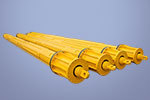
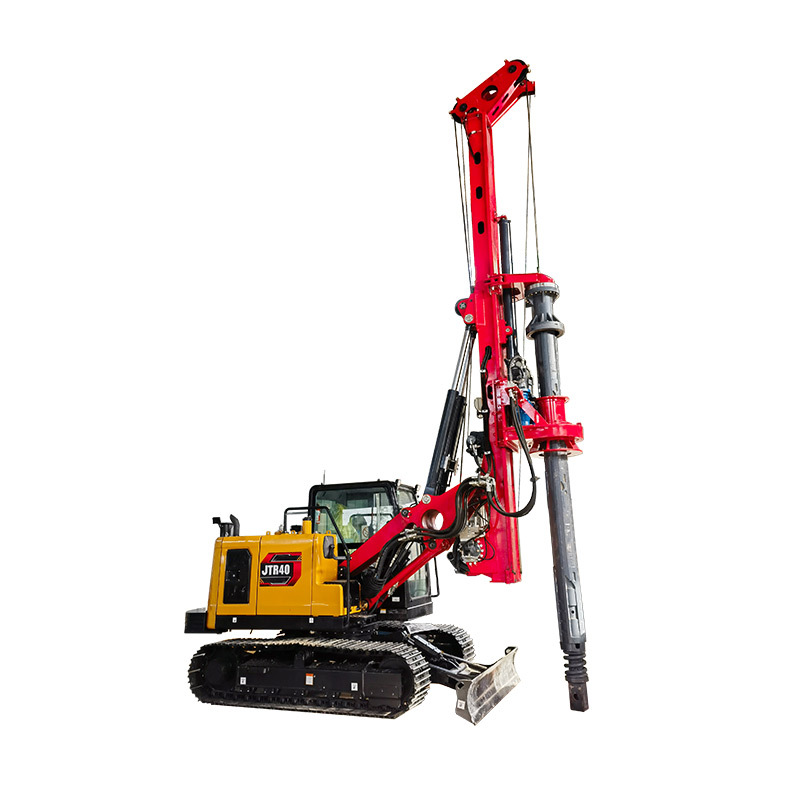
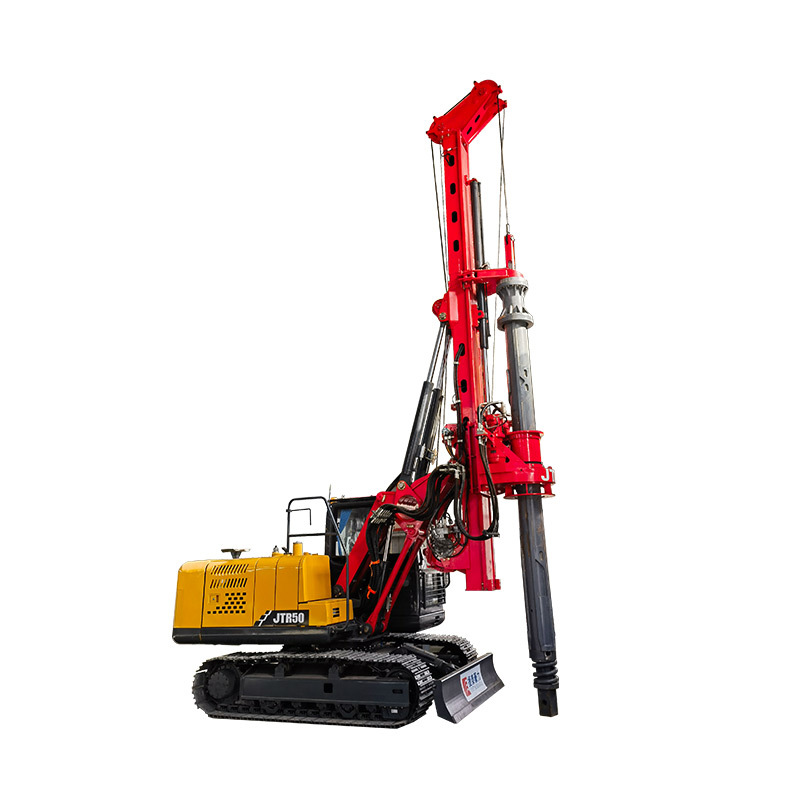
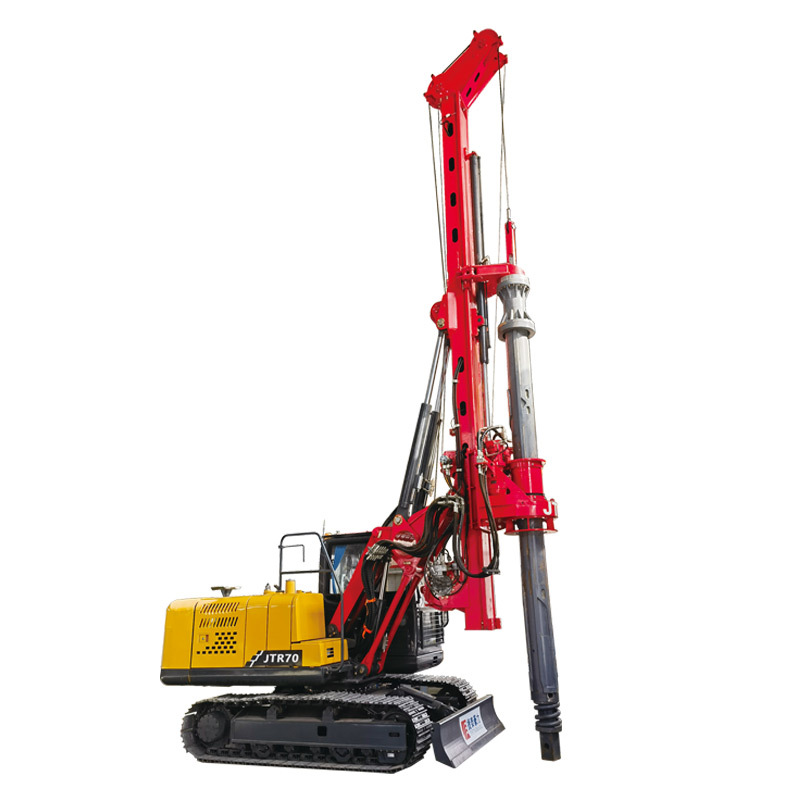
kelly bar for rotary drilling rig

Business consulting:
Manufacturer: Shandong Jietai Haoli Machinery Equipment Co., Ltd.
Address: Nanchai industrial park, Hualong Town, Shouguang city, Shandong province
Business License
Copyright©2024 Shandong Jietai Haili Machinery Equipment Co., Ltd.