
18
2026
-
05
Key Features to Look for in Interlocking Pressurized Drill Pipes: A Comprehensive Guide
Key Features to Look for in Interlocking Pressurized Drill Pipes In the realm of manufacturing and construction machinery, interlocking pressurized drill pipes play a pivotal role in ensuring efficient and safe drilling operations. When selecting drill pipes, it is crucial to understand the key features that enhance their performance and longevity. This article aims to delve deep into the essentia

Key Features to Look for in Interlocking Pressurized Drill Pipes
In the realm of manufacturing and construction machinery, interlocking pressurized drill pipes play a pivotal role in ensuring efficient and safe drilling operations. When selecting drill pipes, it is crucial to understand the key features that enhance their performance and longevity. This article aims to delve deep into the essential characteristics to consider while choosing interlocking pressurized drill pipes.
Table of Contents
- Understanding Interlocking Pressurized Drill Pipes
- Importance of Quality Materials
- Design Features for Efficiency
- Pressure Handling Capabilities
- Interlocking Mechanism Advantages
- Corrosion Resistance
- Ease of Assembly and Maintenance
- Safety Considerations
- Conclusion
- Frequently Asked Questions
Understanding Interlocking Pressurized Drill Pipes
Interlocking pressurized drill pipes are integral components in drilling operations, known for their ability to withstand high-pressure conditions. These pipes are designed to connect seamlessly to ensure a continuous flow of drilling fluid, which is essential for efficient drilling. Understanding how these pipes function and their features can significantly impact your operation's success.
Importance of Quality Materials
The performance of interlocking pressurized drill pipes largely depends on the materials used in their manufacturing. **High-grade steel**, for example, is preferred for its strength and durability. Manufacturers often opt for alloys that exhibit exceptional resistance to wear and tear, thus ensuring a longer lifespan for the pipes. Quality materials not only enhance the pipes' physical attributes but also contribute to their overall performance under various conditions.
Types of Materials Commonly Used
- Carbon Steel: Known for its strength and affordability, carbon steel is commonly used in the manufacturing of drill pipes.
- Alloy Steel: These pipes offer enhanced strength and resilience, making them suitable for high-pressure applications.
- Stainless Steel: This material is favored for its corrosion resistance, particularly in harsh environments.
Design Features for Efficiency
Efficiency in drilling operations is critical. The design of interlocking pressurized drill pipes should facilitate optimal fluid flow and reduce resistance. Key design features to look for include:
1. Threaded Connections
Threaded connections between the pipes ensure a tight seal, which is essential for maintaining pressure. These connections should be designed for quick assembly and disassembly, allowing for easier maintenance and replacements.
2. Streamlined Profiles
A streamlined profile minimizes drag and turbulence during drilling, promoting efficient fluid movement. Pipes with aerodynamically designed shapes can significantly enhance drilling speed and reduce energy consumption.
Pressure Handling Capabilities
One of the standout features of interlocking pressurized drill pipes is their ability to handle substantial internal pressures. Understanding the rated pressure capacity is crucial when selecting pipes for specific drilling environments. Look for pipes that are rated for higher pressures than your operation's requirements to ensure safety and reliability.
Evaluating Pressure Ratings
It's essential to verify the pressure ratings provided by the manufacturer. These ratings should be based on rigorous testing and should comply with industry standards. Always consider the maximum expected operating pressure to prevent equipment failure during critical operations.
Interlocking Mechanism Advantages
The interlocking mechanism is a defining feature of these drill pipes. This design enhances stability and prevents separation during operation. Here are several advantages:
1. Enhanced Stability
The interlocking design reduces the likelihood of misalignment, which can lead to operational inefficiencies. This stability is crucial for maintaining consistent drilling angles and depths.
2. Reduced Risk of Leakage
By providing a secure connection, interlocking pipes minimize the chance of leaks, ensuring that drilling fluids remain contained within the system.
Corrosion Resistance
Corrosion can significantly shorten the lifespan of drilling equipment. Interlocking pressurized drill pipes should be constructed from materials that resist corrosion, especially in environments with exposure to moisture and chemicals.
Coating and Treatment Options
Many manufacturers apply protective coatings to their pipes. These coatings can enhance corrosion resistance and provide additional durability. Always inquire about the types of coatings used and their effectiveness in various environments.
Ease of Assembly and Maintenance
Efficient operations rely on equipment that is easy to assemble and maintain. Interlocking pressurized drill pipes should feature designs that allow for quick setup and minimal downtime during maintenance.
Considerations for Maintenance
Look for pipes with standardized components that can be easily replaced. Clear instructions and accessible designs can greatly facilitate the maintenance process, reducing operational interruptions.
Safety Considerations
Safety is paramount in drilling operations. Interlocking pressurized drill pipes must adhere to stringent safety standards to minimize risks during use.
Key Safety Features
- Pressure Relief Valves: These valves can prevent excessive pressure buildup, mitigating the risk of pipe failure.
- Durability Testing: Look for pipes that have undergone rigorous testing to ensure they can withstand extreme conditions.
- Documentation: A reliable manufacturer will provide documentation proving compliance with industry safety standards.
Conclusion
Selecting the right interlocking pressurized drill pipes can significantly impact the efficiency, safety, and longevity of your drilling operations. By understanding the key features, including material quality, design efficiency, pressure handling capabilities, interlocking mechanisms, corrosion resistance, ease of maintenance, and safety considerations, you are better equipped to make informed decisions. Investing in high-quality drill pipes not only enhances your operational effectiveness but also ensures safety and reliability in your drilling projects.
Frequently Asked Questions
1. What are interlocking pressurized drill pipes used for?
Interlocking pressurized drill pipes are primarily used in drilling operations for fluid transfer and to maintain pressure during drilling tasks.
2. How do I choose the right drill pipe for my project?
Consider factors like material quality, pressure ratings, interlocking designs, and maintenance ease when selecting a drill pipe.
3. What materials are best for corrosion resistance in drill pipes?
Stainless steel and specially coated carbon or alloy steels offer excellent corrosion resistance in harsh environments.
4. How do interlocking mechanisms improve drilling efficiency?
Interlocking mechanisms enhance stability and prevent separation, ensuring a consistent drilling angle and minimizing leaks.
5. Are there specific safety standards for drill pipes?
Yes, drill pipes must comply with industry safety standards to ensure they can handle operational pressures and conditions effectively.
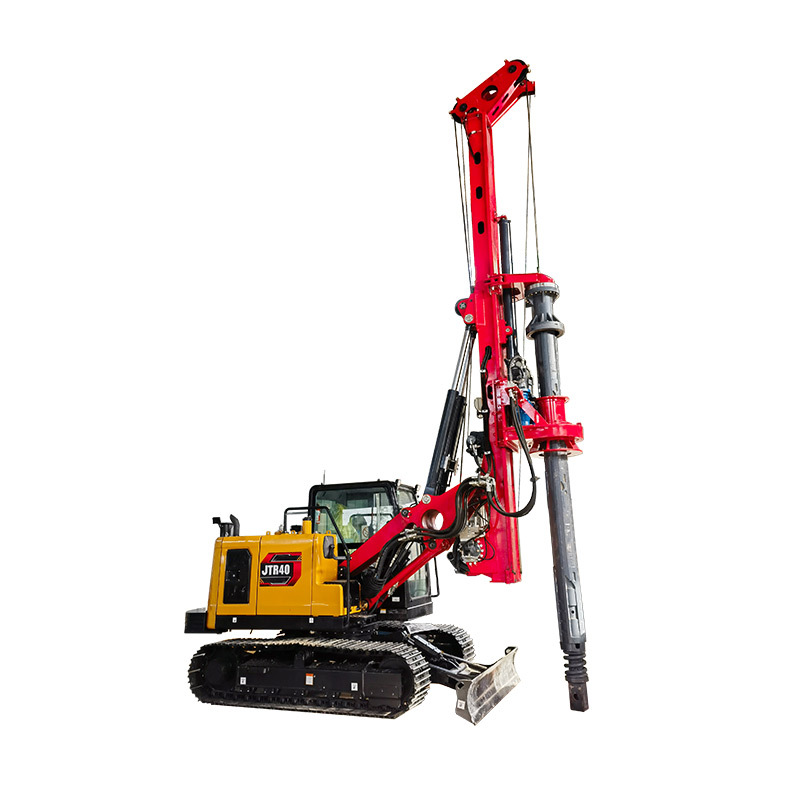
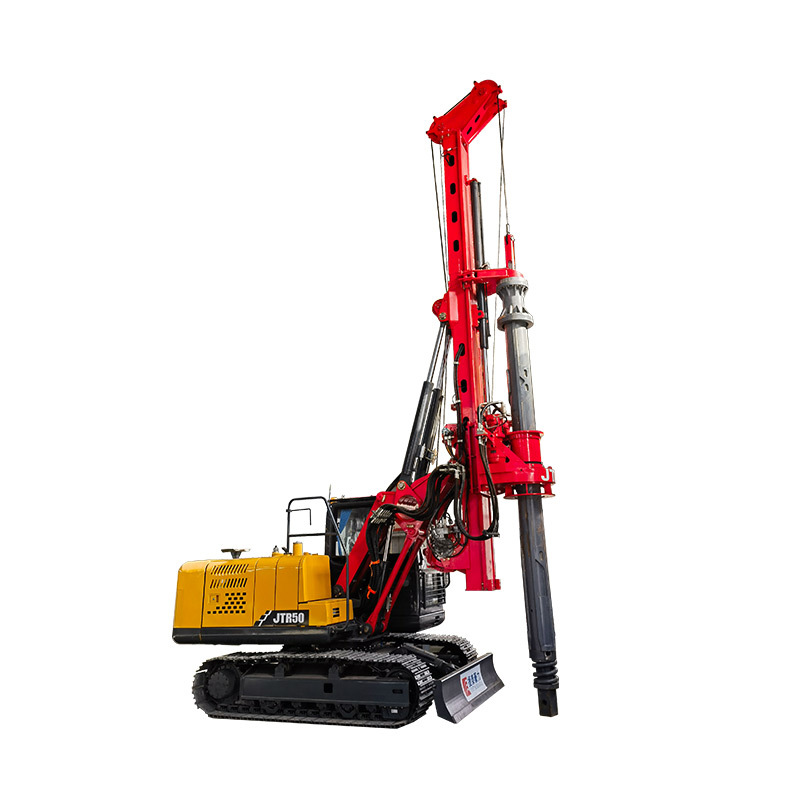
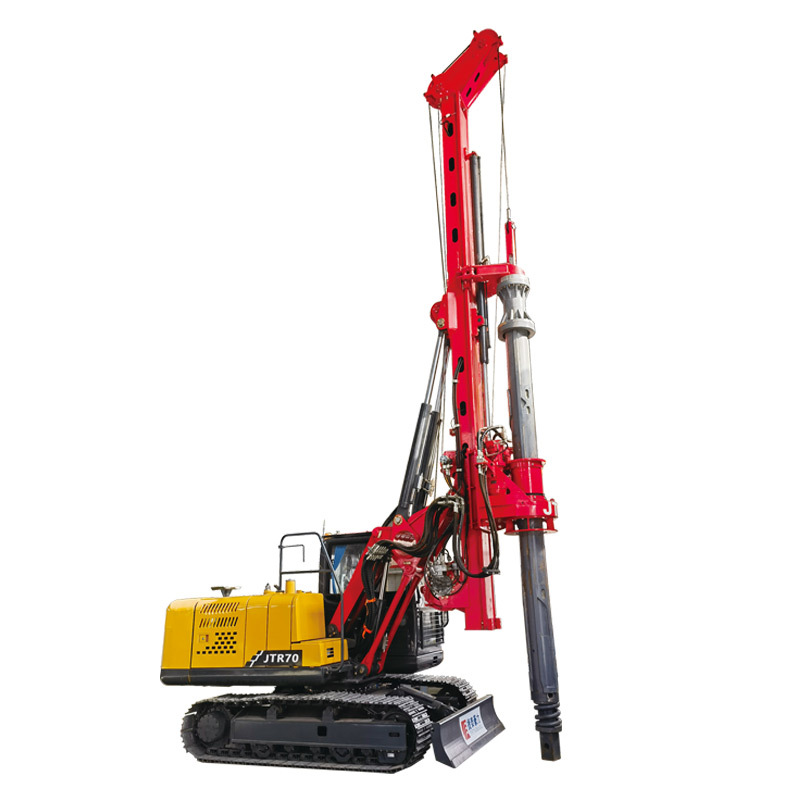
Interlocking pressurized drill pipe

Business consulting:
Manufacturer: Shandong Jietai Haoli Machinery Equipment Co., Ltd.
Address: Nanchai industrial park, Hualong Town, Shouguang city, Shandong province
Copyright©2024 Shandong Jietai Haili Machinery Equipment Co., Ltd.