
24
2026
-
05
Top Features to Look for in a Heavy Duty Rotary Drilling Rig
Top Features to Look for in a Heavy Duty Rotary Drilling Rig Heavy-duty rotary drilling rigs are essential for various construction and engineering projects, particularly in challenging terrains and demanding environments. Choosing the right rig can significantly impact project efficiency, safety, and overall costs. In this guide, we will delve into the top features to consider when selecting a he

Top Features to Look for in a Heavy Duty Rotary Drilling Rig
Heavy-duty rotary drilling rigs are essential for various construction and engineering projects, particularly in challenging terrains and demanding environments. Choosing the right rig can significantly impact project efficiency, safety, and overall costs. In this guide, we will delve into the top features to consider when selecting a heavy-duty rotary drilling rig, ensuring you make an informed decision that meets your operational needs.
Table of Contents
- 1. Durability and Structure
- 2. Power and Performance Capabilities
- 3. Advanced Drilling Techniques
- 4. Operator Comfort and Safety Features
- 5. Technology Integration and Automation
- 6. Maintenance and Serviceability
- 7. Versatility and Customization Options
- 8. Cost Effectiveness and ROI
- 9. Frequently Asked Questions
1. Durability and Structure
The **durability** of a rotary drilling rig is paramount, especially when operating in harsh environments. A robust structure designed with high-quality materials ensures longevity and reliability. Look for rigs constructed from **high-tensile steel** and equipped with reinforced frames to withstand the rigors of drilling operations. **Corrosion-resistant coatings** can also significantly extend the lifespan of the equipment.
Furthermore, a **modular design** allows for easier repairs and replacement of components, contributing to reduced downtime. Heavy-duty rigs should also feature a **stable base** to ensure safe operation on uneven surfaces, which is often the case in construction sites.
2. Power and Performance Capabilities
When selecting a heavy-duty rotary drilling rig, the **power and performance** capabilities play a crucial role in determining its effectiveness. Evaluate the engine specifications, including the type of engine (diesel or electric), horsepower, and torque. A powerful engine is essential for tackling tough soil conditions and achieving optimal drilling depths.
**Drilling speed** and **torque** are also vital metrics to consider. High torque is necessary for penetrating hard rock formations, while adjustable drilling speeds can enhance versatility across different projects. Consider rigs that offer a **variable speed control system** for improved efficiency and performance.
3. Advanced Drilling Techniques
In today's competitive landscape, employing advanced drilling techniques can set your operations apart. Look for rigs that support **dual rotary drilling** or **down-the-hole (DTH) hammering**, which allow for greater penetration rates and improved hole quality. These techniques are especially beneficial for drilling in tough geological formations.
Additionally, machines featuring **auto-feed systems** can enhance productivity by automatically adjusting the feed rate based on drilling conditions. This not only improves efficiency but also reduces wear and tear on the equipment.
4. Operator Comfort and Safety Features
The safety and comfort of operators should be a priority when selecting a heavy-duty rotary drilling rig. A well-designed **operator’s cabin** that includes ergonomic seating, climate control, and intuitive controls enhances comfort during long operational hours.
Moreover, safety features such as **emergency shut-offs**, **anti-collision systems**, and **stability sensors** are essential to protect operators and prevent accidents. Rigs equipped with **CCTV monitoring systems** can provide additional safety by allowing the operator to monitor the drilling process visually.
5. Technology Integration and Automation
As the construction and engineering industries advance, the integration of technology into drilling operations has become increasingly important. Look for rotary drilling rigs that feature **GPS technology**, allowing for precise positioning and navigation. This technology can reduce errors and improve overall project efficiency.
Furthermore, machines equipped with **telematics systems** provide real-time data on performance metrics, fuel consumption, and maintenance needs. This information can be invaluable for optimizing operations and ensuring the rig remains in peak condition.
6. Maintenance and Serviceability
Maintenance is a crucial element in prolonging the life of a heavy-duty rotary drilling rig. Choose models that are designed for easy access to components, which simplifies routine maintenance tasks and repairs. A rig with a **self-diagnostic system** can alert operators about potential issues before they escalate, ensuring timely intervention.
Additionally, consider the availability of **spare parts** and the manufacturer’s support services. A company that offers comprehensive support and readily available parts can significantly reduce downtime during maintenance.
7. Versatility and Customization Options
Versatility is a key feature to look for in a heavy-duty rotary drilling rig. The ability to adapt to various drilling applications can enhance the rig's usability across multiple projects. Look for rigs that can accommodate a range of **attachments** and **tools**, such as augers, core barrels, and casing systems.
Furthermore, consider whether the rig's design allows for easy modifications or upgrades. A **customizable rig** can adapt to changing project demands and extend its operational lifespan.
8. Cost Effectiveness and ROI
While the initial investment in a heavy-duty rotary drilling rig can be significant, evaluating the long-term cost-effectiveness is essential. Analyze the rig’s **fuel efficiency**, maintenance costs, and expected lifespan to determine its return on investment (ROI).
Moreover, consider the potential for increased productivity and decreased downtime due to the features outlined above. A rig that optimizes performance can lead to significant savings over time, making it a worthwhile investment for your operations.
9. Frequently Asked Questions
What is the average lifespan of a heavy-duty rotary drilling rig?
The average lifespan can vary significantly based on usage, maintenance, and the rig's quality, but with proper care, rigs can last 10-20 years.
How do I choose the right size rotary drilling rig for my project?
Consider the depth and diameter of the holes you need to drill, as well as the type of soil and rock formations you’ll encounter. Consulting with a professional can also provide guidance.
Are heavy-duty rotary drilling rigs environmentally friendly?
Many modern rigs are designed with fuel efficiency and reduced emissions in mind, making them more environmentally friendly. Look for models certified for lower emissions.
What maintenance is required for a rotary drilling rig?
Regular maintenance includes checking fluid levels, inspecting hydraulic systems, and ensuring all components are in good working order. Create a maintenance schedule based on the manufacturer's recommendations.
Can rotary drilling rigs be used for geothermal drilling?
Yes, many rotary drilling rigs are versatile enough to be used for geothermal drilling, provided they are equipped with the right attachments and tools.
Conclusion
Selecting the right heavy-duty rotary drilling rig is crucial for ensuring the success of your construction or engineering projects. By focusing on the top features discussed in this guide—durability, power, advanced techniques, operator safety, technology integration, maintenance, versatility, and cost-effectiveness—you can make an informed decision that enhances your operational efficiency and productivity. Investing in a high-quality rotary drilling rig not only optimizes your performance but also ensures you remain competitive in a demanding industry.
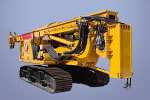
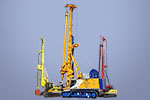
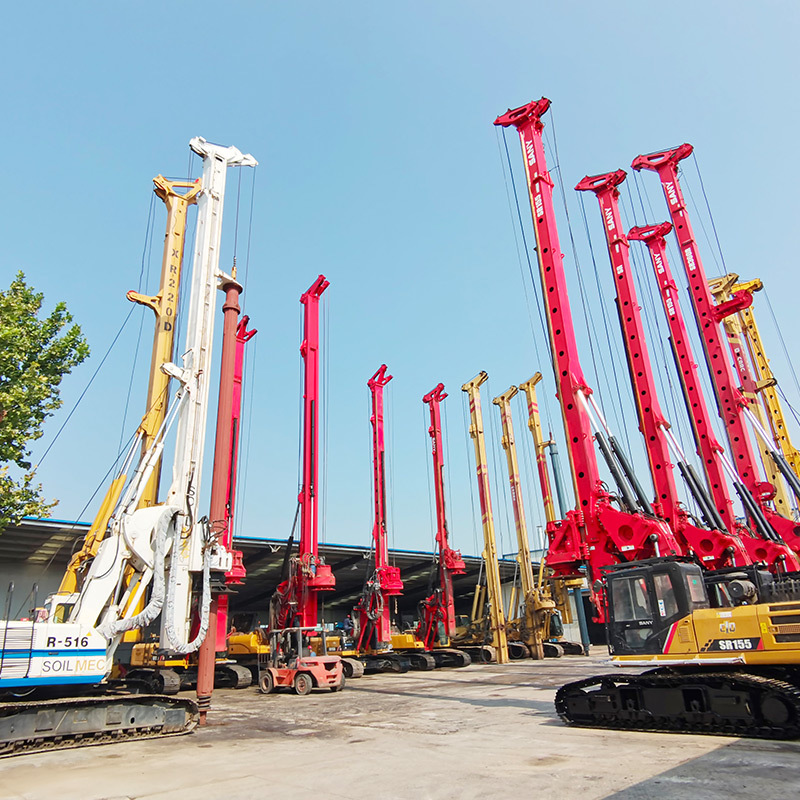
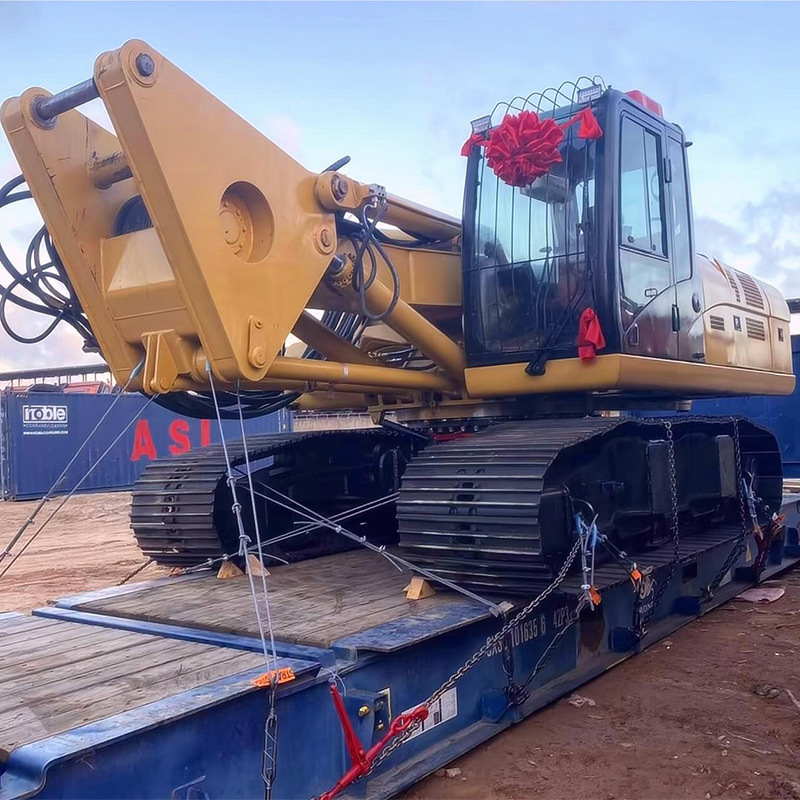
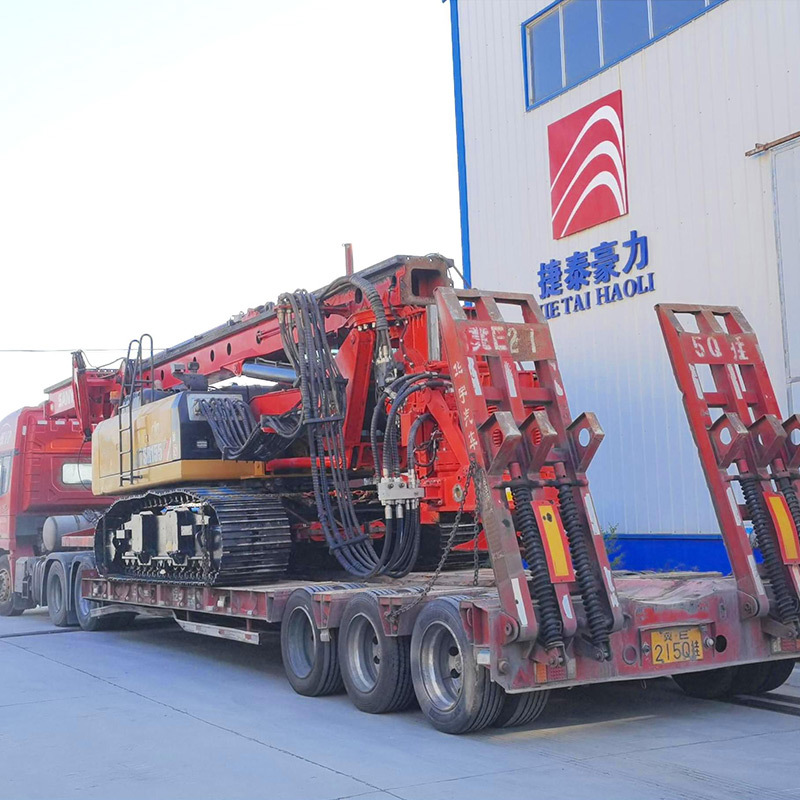
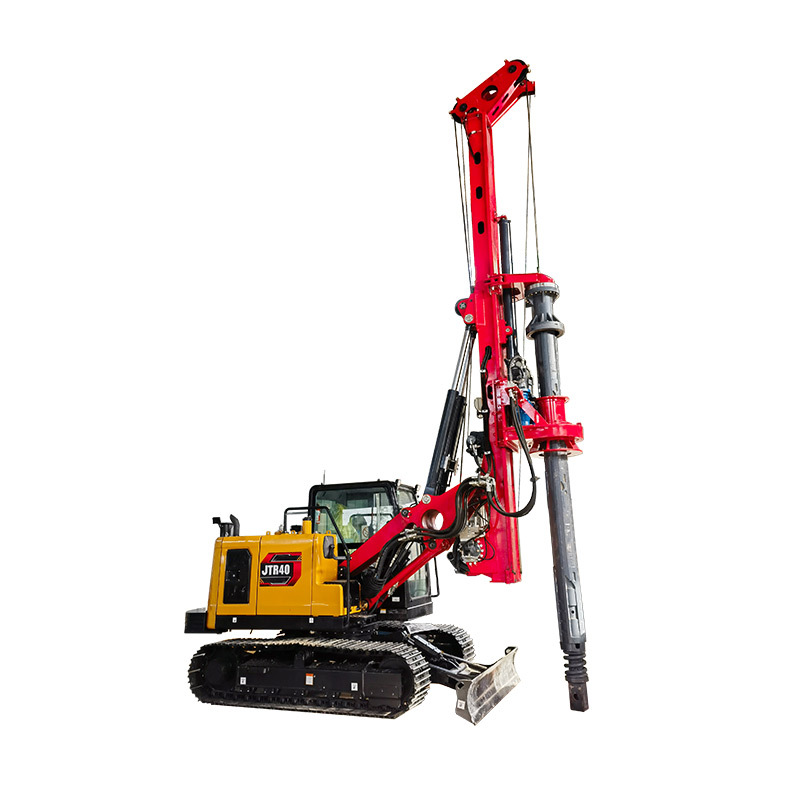
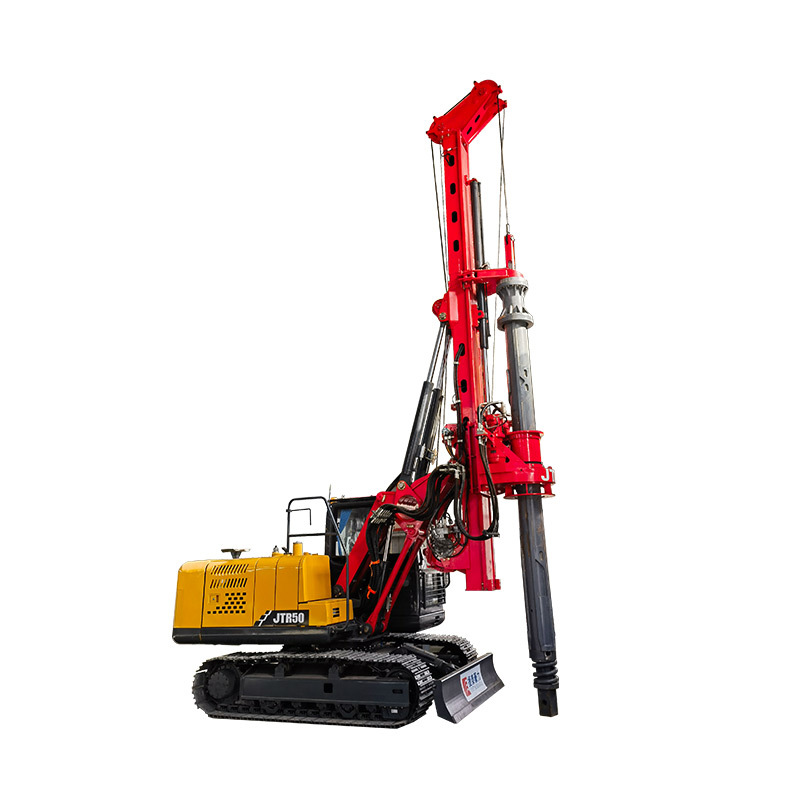
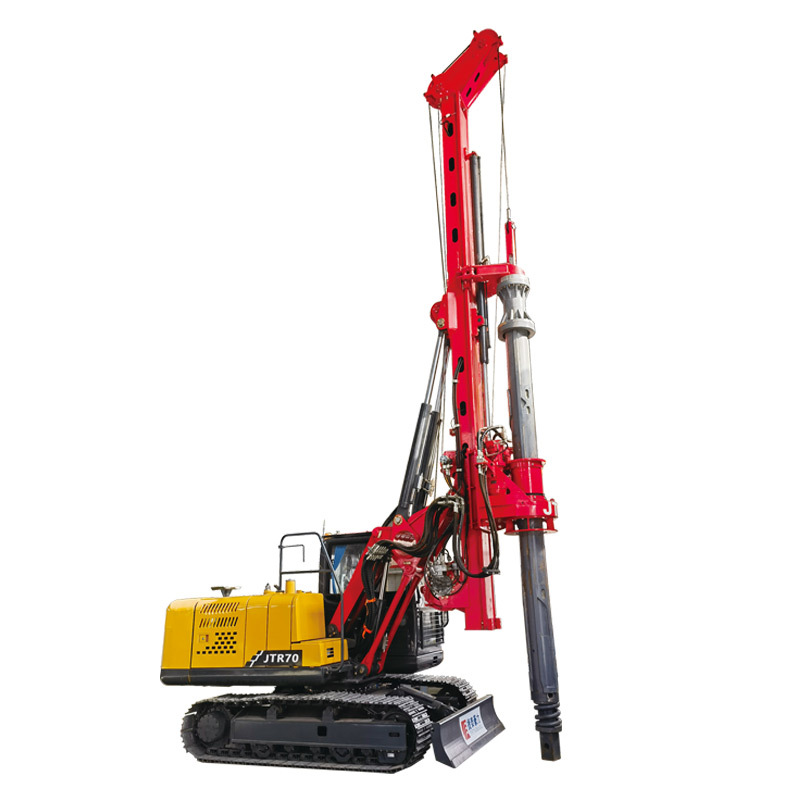
heavy duty rotary drilling rig

Business consulting:
Manufacturer: Shandong Jietai Haoli Machinery Equipment Co., Ltd.
Address: Nanchai industrial park, Hualong Town, Shouguang city, Shandong province
Copyright©2024 Shandong Jietai Haili Machinery Equipment Co., Ltd.