
26
2026
-
05
The Ultimate Guide to Purchasing Second Hand Rotary Drilling Rigs for Your Business
The Ultimate Guide to Purchasing Second Hand Rotary Drilling Rigs for Your Business Table of Contents Understanding Rotary Drilling Rigs Benefits of Purchasing Second Hand Equipment What to Consider When Buying Second Hand Rotary Drilling Rigs Evaluating the Condition of Drilling Rigs Key Features to Look For in Rotary Drilling Rigs Where to Find Quality Second Hand Rotary

The Ultimate Guide to Purchasing Second Hand Rotary Drilling Rigs for Your Business
Table of Contents
- Understanding Rotary Drilling Rigs
- Benefits of Purchasing Second Hand Equipment
- What to Consider When Buying Second Hand Rotary Drilling Rigs
- Evaluating the Condition of Drilling Rigs
- Key Features to Look For in Rotary Drilling Rigs
- Where to Find Quality Second Hand Rotary Drilling Rigs
- Conducting a Thorough Inspection
- Negotiating the Purchase
- Final Thoughts and Conclusion
Understanding Rotary Drilling Rigs
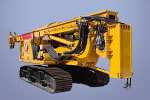
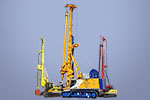
Rotary drilling rigs are essential machinery within the construction and engineering industries. They are primarily used for creating deep holes in the ground, which are crucial for various applications, including foundation work, exploratory drilling, and mineral extraction. The efficiency and performance of rotary drilling rigs are influenced by several factors, including their design, power, and the technology used in their construction. Understanding these machines will help businesses make informed purchasing decisions.
Benefits of Purchasing Second Hand Equipment
Investing in second-hand rotary drilling rigs offers numerous advantages, particularly for small to medium-sized enterprises. Below are some key benefits:
Cost-Effectiveness
One of the primary reasons businesses opt for second-hand equipment is the significant cost savings. New rotary drilling rigs can be quite expensive, and purchasing used models allows companies to allocate budgetary resources more efficiently.
Reduced Depreciation
New machinery depreciates as soon as it is used, while second-hand equipment has already experienced some depreciation. This means that the financial investment is often more stable when acquiring used machinery.
Immediate Availability
When purchasing second-hand equipment, businesses can often find models available for immediate use, as opposed to waiting for manufacturing and delivery times associated with new machinery.
Proven Performance
Second-hand rigs may have an established history of performance, allowing prospective buyers to assess their reliability and durability based on previous usage.
What to Consider When Buying Second Hand Rotary Drilling Rigs
Making a well-informed decision when purchasing second-hand rotary drilling rigs involves careful consideration of various factors:
Purpose and Application
Clearly define the intended use for the rotary drilling rig. Will it be used for foundation drilling, geothermal applications, or mineral exploration? Understanding the specific purpose will guide the selection process.
Budget Constraints
Establish a budget that includes not only the cost of the rig but also potential repairs, maintenance, and operational expenses.
Brand Reputation
Research reputable brands known for their reliability and performance. Sticking to well-regarded manufacturers can provide peace of mind regarding quality and service.
Evaluating the Condition of Drilling Rigs
To ensure that you are making a sound investment, evaluating the condition of the rotary drilling rig is crucial. Here are some tips:
Visual Inspection
Conduct a thorough visual inspection of the rig’s exterior, looking for signs of wear and tear, rust, or damage. Check critical components like the hydraulic system, engine, and drill bit.
Operational Tests
Whenever possible, perform operational tests to assess the rig’s performance. Listen for unusual noises and observe how smoothly the rig operates.
Review Maintenance Records
Request maintenance and service records to get insights into how well the rig has been cared for. A well-maintained machine is typically a better investment.
Key Features to Look For in Rotary Drilling Rigs
When choosing a second-hand rotary drilling rig, certain features can significantly impact its efficiency and capabilities. Consider the following:
Drilling Depth and Diameter
Ensure that the rig can meet your operational requirements for drilling depth and diameter. Different projects may require varying specifications.
Mobility and Size
Evaluate the rig's mobility. Some rigs are designed for easy transport, while others may be more stationary. Choose one that fits your project needs and site conditions.
Power Source
Check the power source of the rig. Hydraulic rigs, for example, offer different advantages than electric or diesel-powered models. Understanding the power source will help ensure compatibility with your operational framework.
Where to Find Quality Second Hand Rotary Drilling Rigs
Finding quality second-hand rotary drilling rigs requires some diligent research. Here are several avenues to explore:
Online Marketplaces
Websites specialized in construction and heavy machinery sales offer extensive listings of second-hand rigs. Examples include MachineryTrader, eBay, and IronPlanet.
Industry Auctions
Participating in industry-specific auctions can yield high-quality equipment at competitive prices. Keep an eye on upcoming auctions in your region.
Local Dealers and Distributors
Many dealerships offer second-hand equipment and may provide warranties or service agreements, enhancing your purchase's security.
Trade Shows and Expos
Attend industry trade shows and expos where you can interact directly with sellers and evaluate machines in-person.
Conducting a Thorough Inspection
A meticulous inspection is pivotal to ensuring the reliability of a second-hand rotary drilling rig. Here’s a step-by-step approach:
Inspect Structural Components
Check for any structural damage, including cracks or bends in the frame and mast. Structural integrity is key for performance and safety.
Examine Hydraulic Systems
Inspect hoses, fittings, and cylinders for leaks or wear. Hydraulic systems are critical to the operation of the rig, and any issues here can lead to costly repairs.
Test Electrical Components
If applicable, check the electrical systems, including wiring, lights, and control panels. Proper functionality of these components is essential for operational safety.
Negotiating the Purchase
Once you have found a suitable rig, effective negotiation can lead to better terms and prices. Here are some strategies:
Research Market Prices
Before negotiations, research the market to understand standard prices for similar rigs. This knowledge will empower you during discussions.
Be Prepared to Walk Away
If the terms do not align with your budget or expectations, be prepared to walk away. This stance can often encourage sellers to reconsider their offers.
Consider Warranty Options
When negotiating, inquire about warranty options or service agreements that may be available. These can provide additional security for your investment.
Final Thoughts and Conclusion
Purchasing a second-hand rotary drilling rig can be a strategic move for businesses aiming to optimize costs while ensuring operational efficiency. By understanding the rig's purpose, conducting thorough inspections, and making informed decisions based on detailed evaluations, businesses can successfully navigate the complexities of acquiring second-hand machinery.
Taking the time to research and evaluate options will ultimately lead to a purchase that meets both current and future needs. With careful planning and consideration, the right rotary drilling rig can enhance productivity and contribute to the success of your projects.
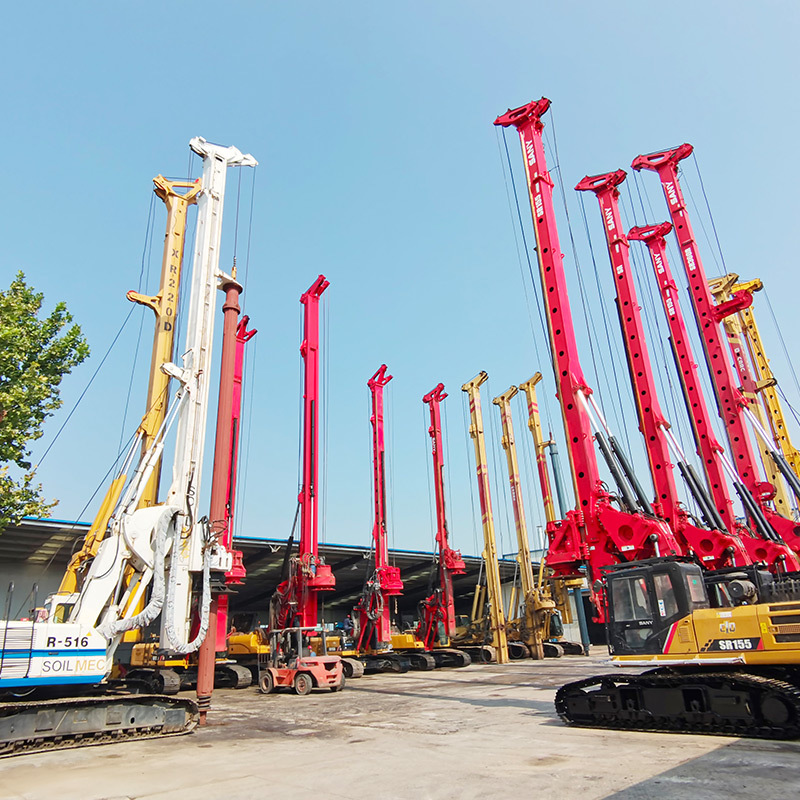
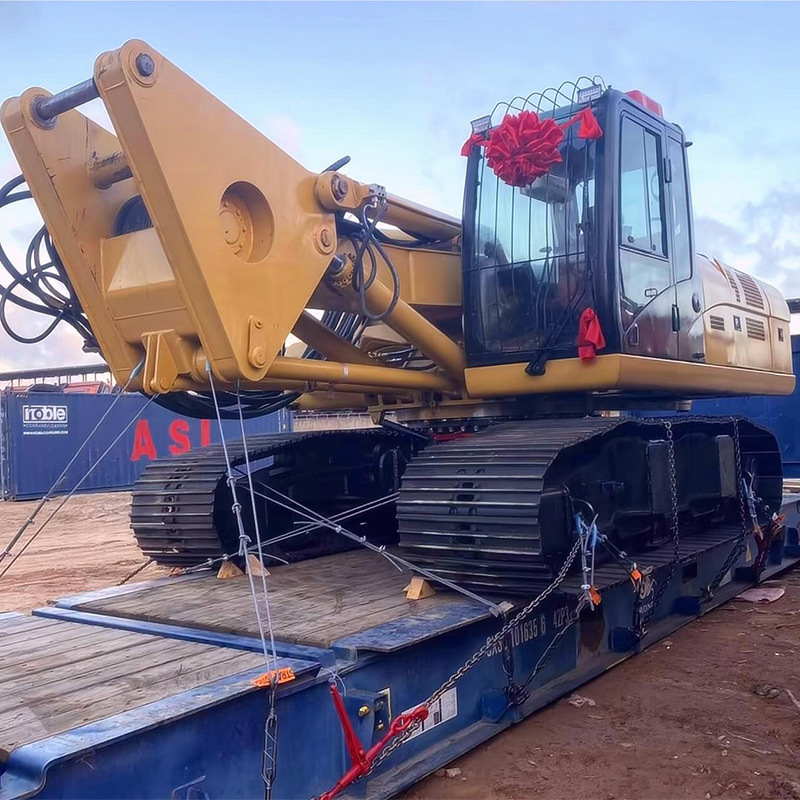
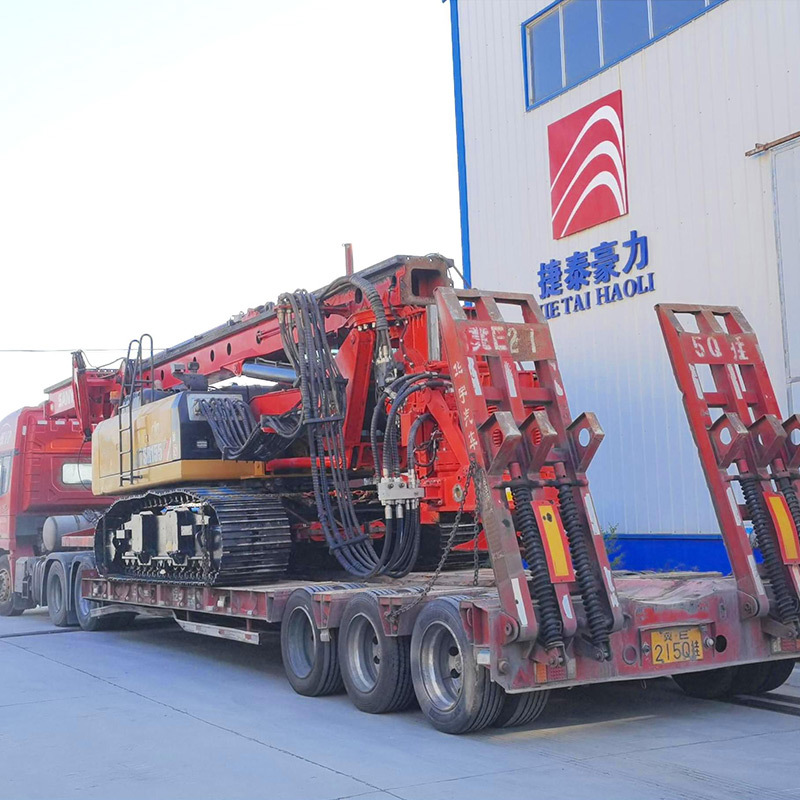
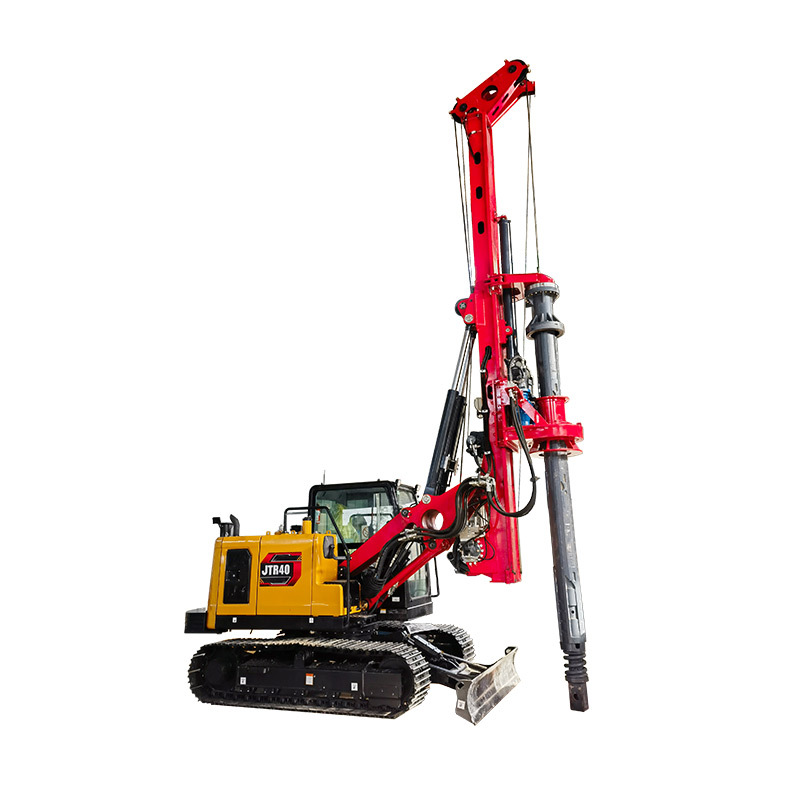
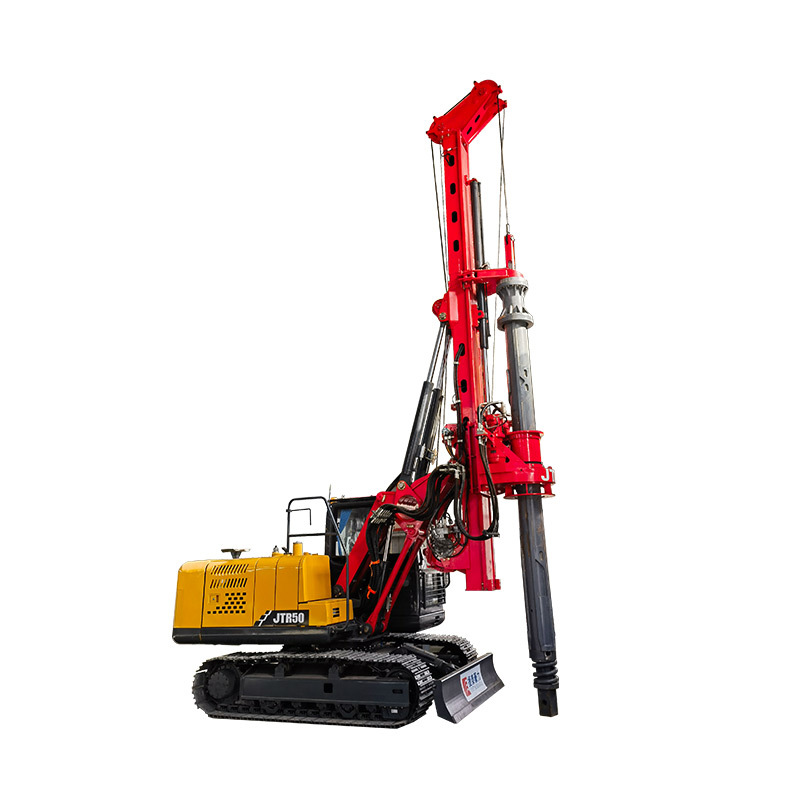
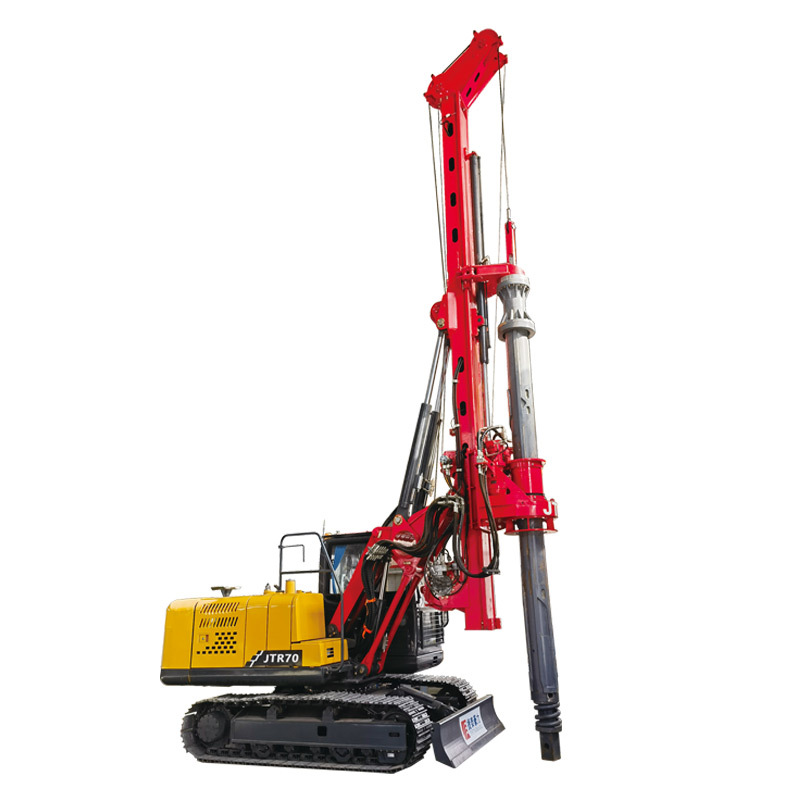
Second hand rotary drilling rig

Business consulting:
Manufacturer: Shandong Jietai Haoli Machinery Equipment Co., Ltd.
Address: Nanchai industrial park, Hualong Town, Shouguang city, Shandong province
Business License
Copyright©2024 Shandong Jietai Haili Machinery Equipment Co., Ltd.