
11
2026
-
07
Understanding Friction Type Drill Pipes: Key Insights for Engineering Applications
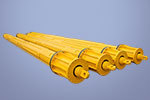
Friction type drill pipes are vital tools used in various drilling applications, particularly in the oil and gas industry, as well as in mining and construction projects. These pipes are designed to facilitate the transfer of force and torque from the drilling rig to the drill bit, enabling efficient drilling processes. The distinctive feature of friction type drill pipes lies in their ability to

Friction type drill pipes are vital tools used in various drilling applications, particularly in the oil and gas industry, as well as in mining and construction projects. These pipes are designed to facilitate the transfer of force and torque from the drilling rig to the drill bit, enabling efficient drilling processes. The distinctive feature of friction type drill pipes lies in their ability to maintain a grip through friction between the pipe and the drill string, which enhances stability and performance during drilling operations.
One of the most significant advantages of friction type drill pipes is their ability to handle high torque loads. This is particularly important in deep drilling applications where the demands on the equipment can be extreme. The friction between the drill pipe and the surrounding formations ensures that the operator can maintain control over the drilling process, reducing the risk of equipment failure and downtime. Furthermore, this type of drill pipe is designed to withstand harsh conditions, making it suitable for various geological formations.
In addition to their mechanical advantages, friction type drill pipes are also integral to optimizing drilling efficiency. By ensuring a consistent connection between the drill string components, these pipes help reduce the energy loss that can occur during the drilling process. As a result, they contribute to faster penetration rates and lower operational costs, which is a significant consideration in competitive industries such as oil and gas extraction.
Another key aspect to consider when working with friction type drill pipes is maintenance and inspection. Regular checks for wear and tear are crucial to ensure the longevity and performance of the pipes. Operators should be aware of the signs of fatigue, such as visual cracks or deformations, which can indicate that the pipes may need replacement. Proper maintenance not only extends the life of the equipment but also enhances safety on site.
In summary, friction type drill pipes play a crucial role in the efficiency and safety of drilling operations across various sectors. With their ability to handle high torque loads and reduce energy loss, they are indispensable for deep drilling applications. Understanding their functionality, applications, and maintenance requirements can help operators make informed decisions and implement best practices in their projects. As technology advances, the development of more innovative and efficient friction type drill pipes continues to shape the future of drilling operations, highlighting the importance of staying informed about advancements in this essential equipment.
One of the most significant advantages of friction type drill pipes is their ability to handle high torque loads. This is particularly important in deep drilling applications where the demands on the equipment can be extreme. The friction between the drill pipe and the surrounding formations ensures that the operator can maintain control over the drilling process, reducing the risk of equipment failure and downtime. Furthermore, this type of drill pipe is designed to withstand harsh conditions, making it suitable for various geological formations.
In addition to their mechanical advantages, friction type drill pipes are also integral to optimizing drilling efficiency. By ensuring a consistent connection between the drill string components, these pipes help reduce the energy loss that can occur during the drilling process. As a result, they contribute to faster penetration rates and lower operational costs, which is a significant consideration in competitive industries such as oil and gas extraction.
Another key aspect to consider when working with friction type drill pipes is maintenance and inspection. Regular checks for wear and tear are crucial to ensure the longevity and performance of the pipes. Operators should be aware of the signs of fatigue, such as visual cracks or deformations, which can indicate that the pipes may need replacement. Proper maintenance not only extends the life of the equipment but also enhances safety on site.
In summary, friction type drill pipes play a crucial role in the efficiency and safety of drilling operations across various sectors. With their ability to handle high torque loads and reduce energy loss, they are indispensable for deep drilling applications. Understanding their functionality, applications, and maintenance requirements can help operators make informed decisions and implement best practices in their projects. As technology advances, the development of more innovative and efficient friction type drill pipes continues to shape the future of drilling operations, highlighting the importance of staying informed about advancements in this essential equipment.
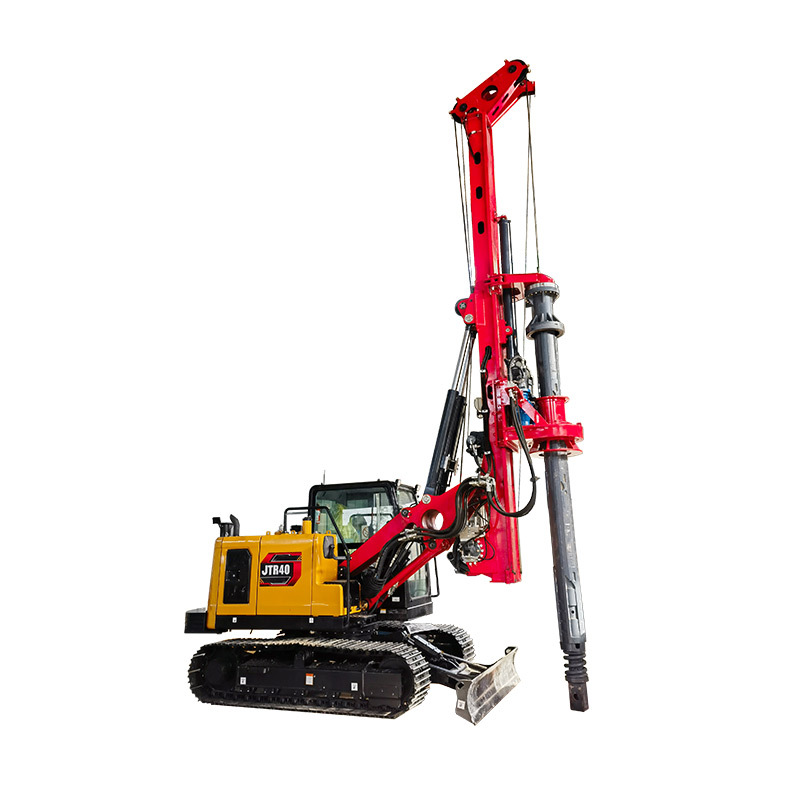
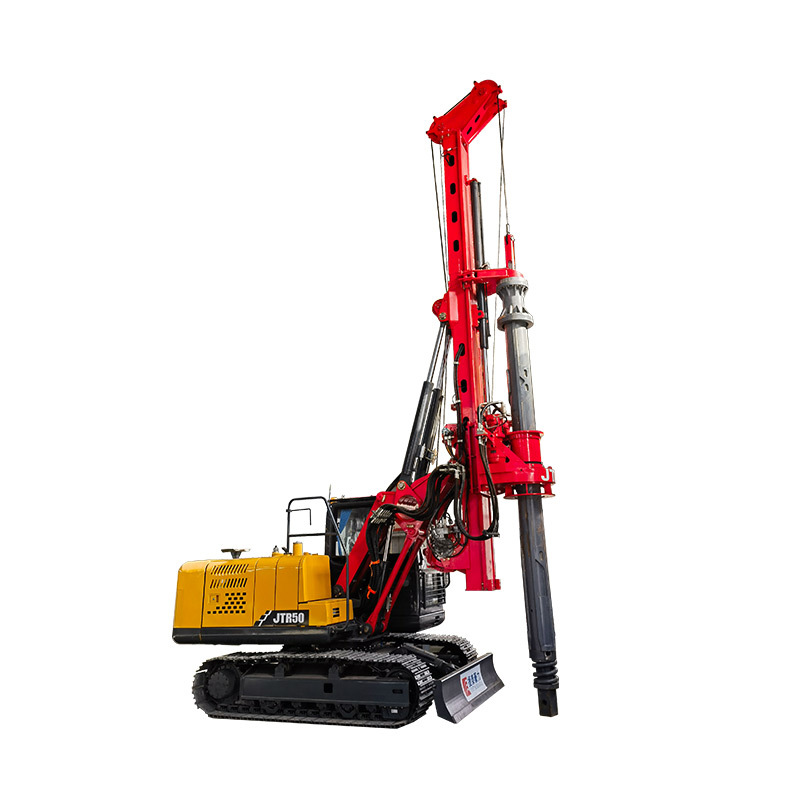
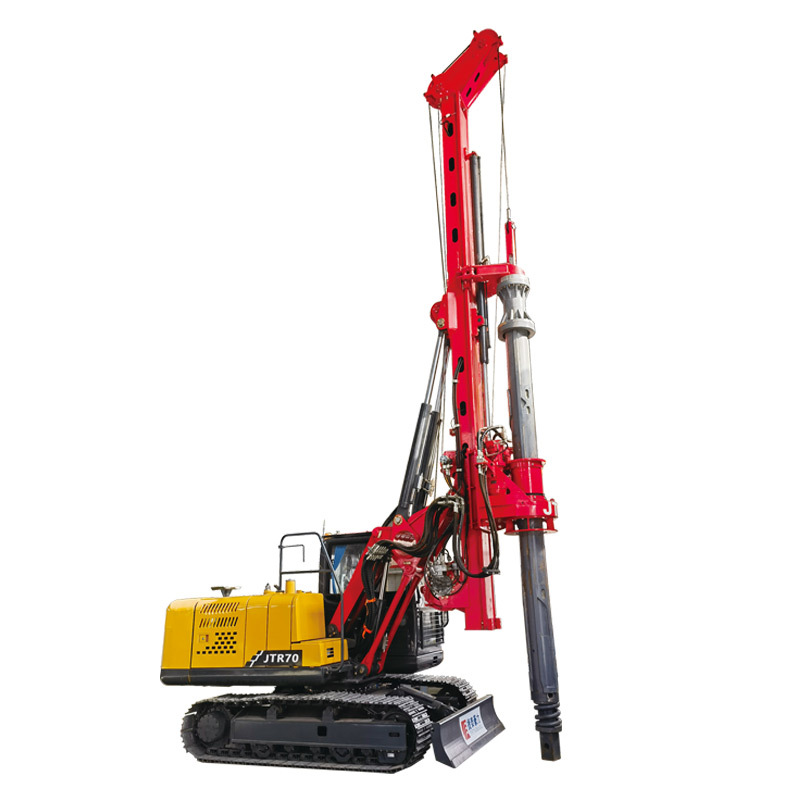
Friction type drill pipe

Business consulting:
Manufacturer: Shandong Jietai Haoli Machinery Equipment Co., Ltd.
Address: Nanchai industrial park, Hualong Town, Shouguang city, Shandong province
Business License
Copyright©2024 Shandong Jietai Haili Machinery Equipment Co., Ltd.