
03
2026
-
08
Choosing the Right Drilling Rig for Your Foundation Piling Needs: A Comprehensive Guide
Choosing the Right Drilling Rig for Your Foundation Piling Needs In the construction industry, the stability and longevity of a structure heavily rely on its foundation. One key element in establishing a robust foundation is selecting the right drilling rig for your piling needs. This extensive guide aims to provide you with the knowledge necessary to make informed choices regarding drilling rigs,

Choosing the Right Drilling Rig for Your Foundation Piling Needs
In the construction industry, the stability and longevity of a structure heavily rely on its foundation. One key element in establishing a robust foundation is selecting the right drilling rig for your piling needs. This extensive guide aims to provide you with the knowledge necessary to make informed choices regarding drilling rigs, covering everything from the various types available to essential considerations in your selection process.
Understanding Foundation Piling and Its Importance
Foundation piling serves as a crucial aspect of construction, especially in areas with unstable soil or where structures require additional support. Piles are deep foundations that transfer loads to more stable soil or rock layers beneath the surface. Understanding the role of foundation piling is essential for determining the appropriate drilling rig.
What is Foundation Piling?
Foundation piling is a technique involving the installation of long, slender columns (piles) into the ground. These piles are constructed from various materials, such as concrete, steel, or timber, and are driven deep into the ground to provide stability for structures. The primary purpose of piling is to distribute the weight of the building evenly, thereby preventing settling or shifting over time.
Types of Foundation Piling
There are several types of foundation piling methods, including:
1. **Driven Piles**: These are pre-formed piles that are driven into the ground using a pile driver. They provide immediate load-bearing capacity and are often used in areas with high water tables.
2. **Bored Piles**: Also known as drilled shafts, these piles are created by drilling a hole into the ground and filling it with concrete. This method is suitable for less stable soils where vibrations from driving piles could cause damage.
3. **Helical Piles**: These piles have a screw-like design and are installed by rotating them into the ground. They are particularly effective in soft or loose soils and are often used for smaller structures.
4. **Composite Piles**: These combine different materials, such as concrete and steel, to create piles that can withstand varying soil conditions.
Factors to Consider When Choosing a Drilling Rig
Selecting the right drilling rig for your foundation piling project involves evaluating various factors. This ensures that you choose a rig that meets your specific requirements.
1. Soil Conditions
Understanding the type of soil at your construction site is paramount. Different soil conditions require different drilling techniques. For example, rocky soil may necessitate a rig equipped with a rotary drill, while softer, clayey soil might be better suited for auger-based rigs.
2. Project Scope and Depth Requirements
The depth and extent of your piling project will influence the type of rig you need. For deeper foundations, a larger, more powerful rig is essential to reach the required depth efficiently. Conversely, smaller projects may only require lightweight, portable rigs.
3. Rig Mobility
Depending on your site conditions, the mobility of the drilling rig can play a significant role in your choice. Some rigs are designed for rough terrain, while others are better suited for urban environments where space is limited. Understanding the accessibility of your site will help you select a rig that can maneuver effectively.
4. Power Source
Drilling rigs come with various power sources, including electric, hydraulic, and diesel. Hydraulic rigs are particularly popular due to their versatility and efficiency. However, the availability of power sources at your site will also dictate your choice.
5. Budget Considerations
The cost of renting or purchasing a drilling rig can vary significantly. It is essential to balance your budget with the rig's capabilities. Investing in a high-quality rig can save money in the long run by reducing downtime and improving efficiency.
Types of Drilling Rigs for Foundation Piling
Understanding the various types of drilling rigs available can help you make a more informed decision when selecting the right equipment.
1. Rotary Drilling Rigs
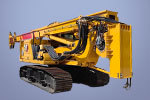
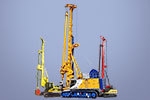
Rotary drilling rigs are among the most versatile and widely used rigs in foundation piling. They utilize a rotating drill bit to penetrate the ground, making them effective for various soil types, including hard rock. These rigs can be equipped with various bits and tools to adapt to specific site conditions.
2. Auger Drilling Rigs
Auger drilling rigs utilize a helical screw blade to remove soil from the borehole. They are ideal for drilling in softer soils, providing efficient and continuous drilling. Auger rigs are also suitable for creating large-diameter holes, making them ideal for certain foundation types.
3. Oscillatory Drilling Rigs
Oscillatory rigs use a unique oscillating motion to penetrate the ground. This reduces the impact on surrounding structures, making it a great choice for urban sites. These rigs excel in stabilizing the soil during the drilling process, minimizing the risk of collapse.
4. Sonic Drilling Rigs
Sonic drilling rigs use high-frequency vibrations to penetrate the ground, making them suitable for a wide range of soil types, including challenging conditions like contaminated soils. They provide continuous core samples, ensuring accurate data collection during the drilling process.
Key Features to Look for in a Drilling Rig
Beyond the type of rig, several key features can enhance your drilling operations and ensure optimal performance.
1. Drill Depth and Diameter
Evaluate the maximum depth and diameter capabilities of the rig to ensure it meets your project requirements. Some rigs can handle larger diameters, which is crucial for specific piling methods.
2. Torque and Power Output
The torque and power output of the rig dictate its ability to penetrate different soil types. Higher torque ratings will enable the rig to handle tougher conditions, making it essential for complex projects.
3. Ease of Operation
User-friendly controls and features can significantly improve the efficiency of your drilling operations. Look for rigs with intuitive controls that allow operators to easily adjust settings and monitor performance.
4. Maintenance and Support
Choose a rig from a reputable manufacturer that offers comprehensive support and maintenance services. This ensures that any issues can be addressed quickly, minimizing downtime during your project.
Tips for Successful Foundation Piling
While selecting the right drilling rig is crucial, there are several tips to ensure the success of your foundation piling project.
1. Conduct Soil Tests
Before beginning any piling project, conduct thorough soil tests to determine the soil's composition and load-bearing capacity. This information will guide your choice of piling method and drilling rig.
2. Prepare Your Site
Ensure that your construction site is adequately prepared for drilling operations. Clear any debris and ensure that access routes are established for the drilling rig.
3. Collaborate with Experts
Engaging with foundation engineers or geotechnical consultants can provide valuable insights into your project. Their expertise can guide you in selecting the right rig and piling method.
4. Monitor Progress and Performance
During the drilling process, continuously monitor the performance of the rig and the quality of the piles being installed. This will help identify any issues early on and allow for adjustments as necessary.
Frequently Asked Questions (FAQs)
1. What type of drilling rig is best for soft soils?
For soft soils, auger drilling rigs are often the best choice, as they can efficiently remove soil and create stable holes for piling.
2. How deep can a typical drilling rig go?
The depth capabilities of drilling rigs vary widely. Some can reach depths of 100 feet or more, depending on the rig's specifications and the soil conditions.
3. What is the average cost of renting a drilling rig?
Rental costs can vary based on the type and capabilities of the rig, but on average, expect to pay between $1,000 to $4,000 per day.
4. How do I know if I need a driven pile or a bored pile?
The choice between driven and bored piles largely depends on soil conditions and project requirements. Driven piles are effective in stable soils, while bored piles are better for unstable conditions.
5. Can I operate a drilling rig without prior experience?
Operating a drilling rig typically requires specialized training and experience. It is advisable to hire qualified operators to ensure safe and efficient operations.
Conclusion
Selecting the right drilling rig for your foundation piling needs is a critical decision that can significantly impact the success of your construction project. By understanding the various types of rigs, evaluating project requirements, and considering key features, you can make informed choices that lead to optimal foundation stability. Always prioritize thorough site assessments and expert collaboration to ensure your projects are executed smoothly and efficiently. With the right rig and proper planning, you can achieve reliable and durable foundations capable of supporting your structures for years to come.
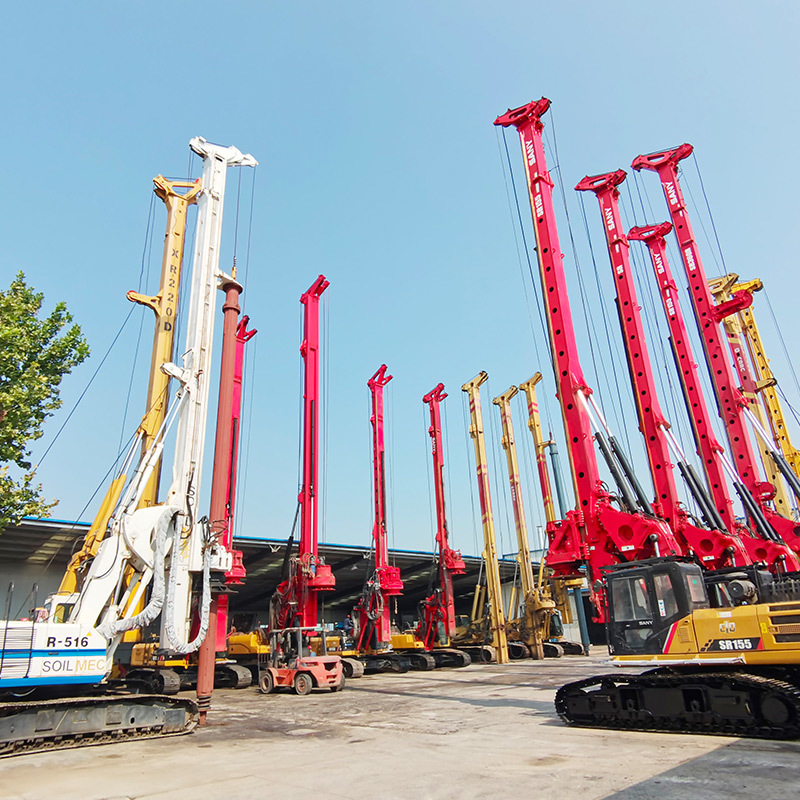
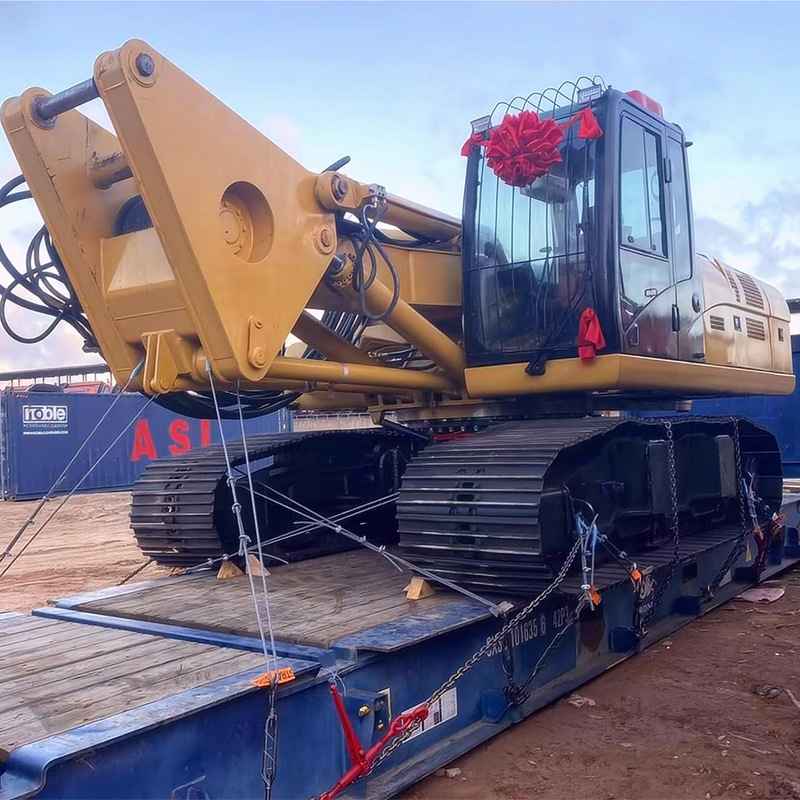
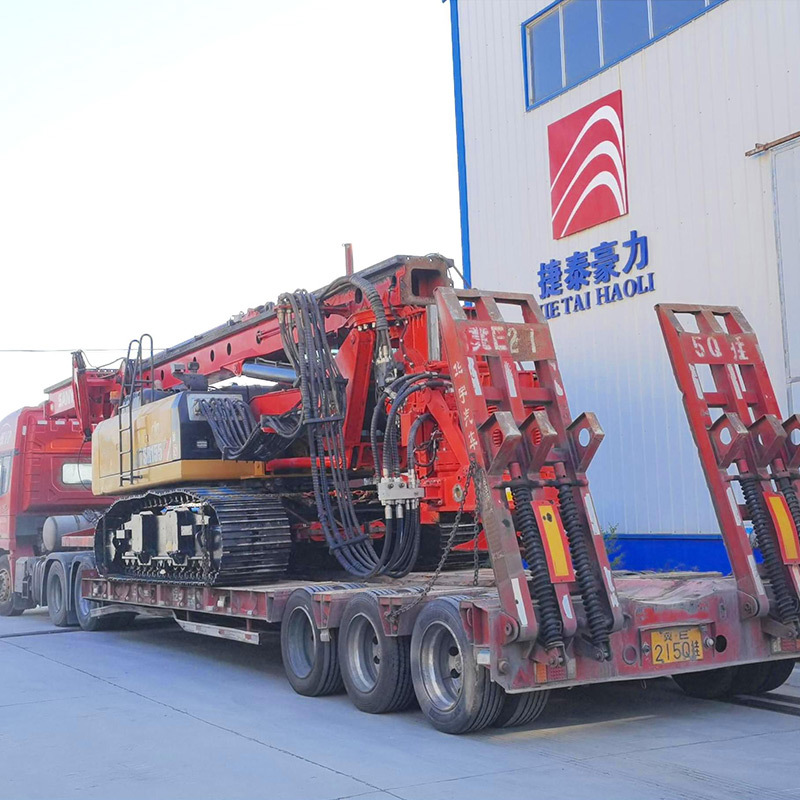
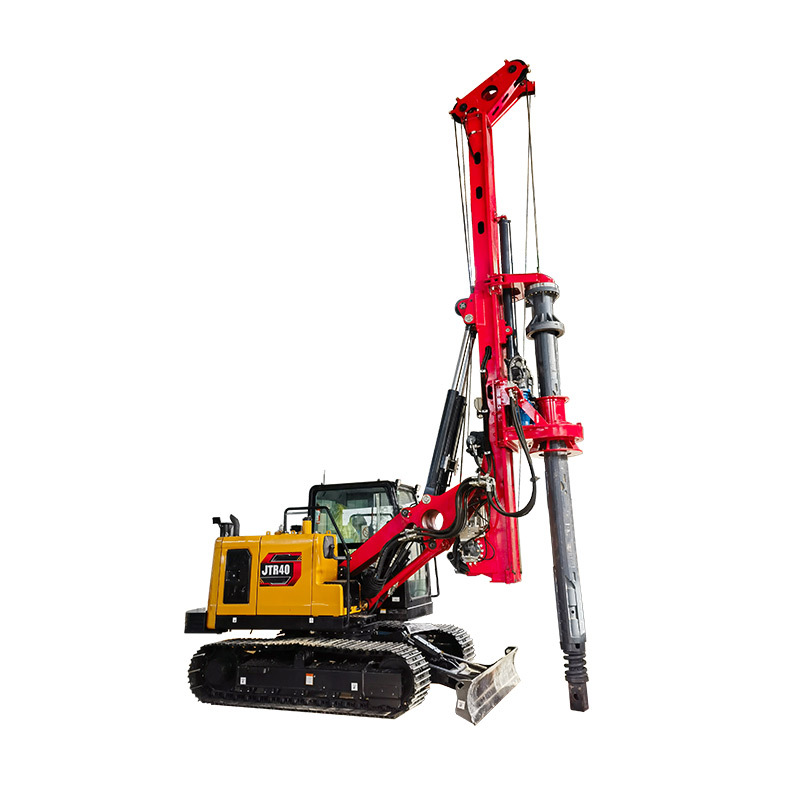
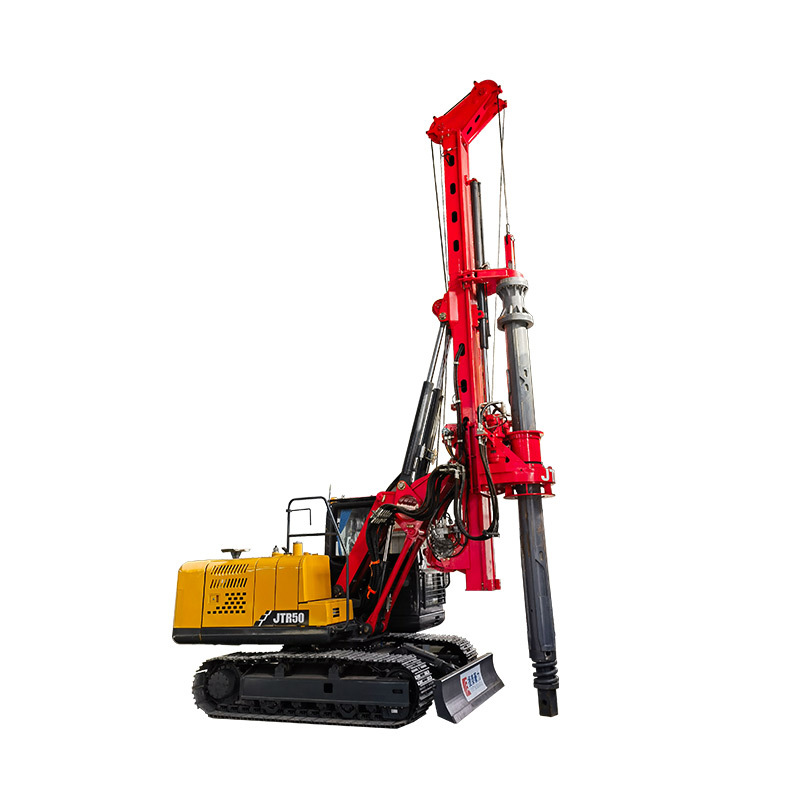
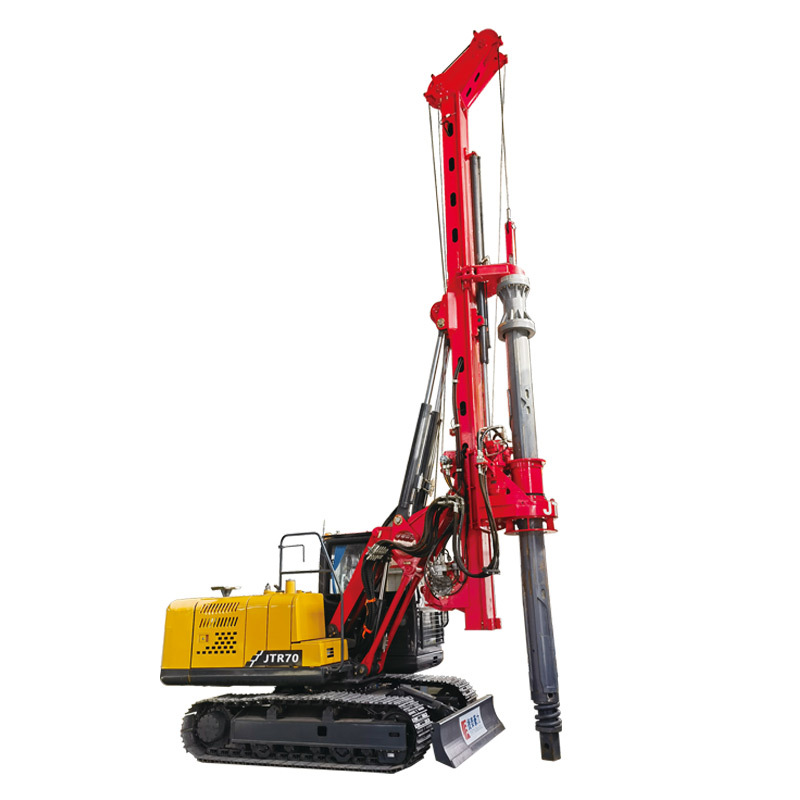
drilling rig for foundation piling

Business consulting:
Manufacturer: Shandong Jietai Haoli Machinery Equipment Co., Ltd.
Address: Nanchai industrial park, Hualong Town, Shouguang city, Shandong province
Business License
Copyright©2024 Shandong Jietai Haili Machinery Equipment Co., Ltd.