
12
2026
-
08
Essential Components of Drilling Rig Hydraulic System Parts
In the realm of drilling rig operations, hydraulic systems play an indispensable role in powering various functions, from lifting and rotating the drill string to controlling the flow of fluids. The efficiency and reliability of a drilling rig's performance heavily depend on the quality and functionality of its hydraulic system parts. Here, we explore the essential components that make up these sy

In the realm of drilling rig operations, hydraulic systems play an indispensable role in powering various functions, from lifting and rotating the drill string to controlling the flow of fluids. The efficiency and reliability of a drilling rig's performance heavily depend on the quality and functionality of its hydraulic system parts. Here, we explore the essential components that make up these systems, ensuring professionals in the manufacturing sector have a comprehensive understanding of their significance.
**1. Hydraulic Pumps:**
At the heart of any hydraulic system is the hydraulic pump, which converts mechanical energy into hydraulic energy. There are various types of pumps, including gear, piston, and vane pumps, each offering distinct advantages based on operational requirements. The selection of an appropriate pump is critical, as it determines the system's pressure capabilities and flow rates.
**2. Hydraulic Cylinders:**
Hydraulic cylinders are responsible for converting hydraulic energy back into mechanical energy. These cylinders facilitate linear motion and are essential for tasks such as raising and lowering drilling equipment. The choice of cylinder material and design can significantly influence durability and performance, particularly under high-pressure conditions.
**3. Hydraulic Hoses and Fittings:**
The hydraulic hoses transport fluid between the various components of the system. It's vital to select hoses that can withstand the pressures and temperatures encountered during drilling operations. Additionally, the quality of fittings ensures leak-free connections, which is paramount for safety and system efficiency.
**4. Hydraulic Valves:**
Valves regulate the flow and pressure of hydraulic fluid within the system. They can be manual or actuated and are crucial for controlling the operation of drilling rigs. Understanding the types of valves—such as check valves, relief valves, and directional control valves—allows professionals to make informed decisions regarding system design and troubleshooting.
**5. Hydraulic Filters:**
Clean hydraulic fluid is essential for the longevity and efficiency of the hydraulic system. Hydraulic filters remove contaminants that can cause wear and tear on components. Regular inspection and maintenance of filters can prevent costly downtime and ensure optimal performance.
**6. Accumulators:**
These components store hydraulic energy and can provide additional power during high-demand operations. Accumulators help in smoothing pressure fluctuations and improving response times, making them vital for maintaining operational efficiency.
When selecting drilling rig hydraulic system parts, professionals should consider factors such as compatibility with existing equipment, operational demands, and maintenance requirements. Regular inspection and preventive maintenance of these components can significantly enhance the overall performance and reliability of drilling operations.
In summary, understanding the various parts that constitute a drilling rig's hydraulic system is crucial for professionals in the manufacturing and construction machinery sector. By focusing on quality, maintenance, and appropriate selection of these components, one can ensure the efficiency and longevity of drilling operations.
**1. Hydraulic Pumps:**
At the heart of any hydraulic system is the hydraulic pump, which converts mechanical energy into hydraulic energy. There are various types of pumps, including gear, piston, and vane pumps, each offering distinct advantages based on operational requirements. The selection of an appropriate pump is critical, as it determines the system's pressure capabilities and flow rates.
**2. Hydraulic Cylinders:**
Hydraulic cylinders are responsible for converting hydraulic energy back into mechanical energy. These cylinders facilitate linear motion and are essential for tasks such as raising and lowering drilling equipment. The choice of cylinder material and design can significantly influence durability and performance, particularly under high-pressure conditions.
**3. Hydraulic Hoses and Fittings:**
The hydraulic hoses transport fluid between the various components of the system. It's vital to select hoses that can withstand the pressures and temperatures encountered during drilling operations. Additionally, the quality of fittings ensures leak-free connections, which is paramount for safety and system efficiency.
**4. Hydraulic Valves:**
Valves regulate the flow and pressure of hydraulic fluid within the system. They can be manual or actuated and are crucial for controlling the operation of drilling rigs. Understanding the types of valves—such as check valves, relief valves, and directional control valves—allows professionals to make informed decisions regarding system design and troubleshooting.
**5. Hydraulic Filters:**
Clean hydraulic fluid is essential for the longevity and efficiency of the hydraulic system. Hydraulic filters remove contaminants that can cause wear and tear on components. Regular inspection and maintenance of filters can prevent costly downtime and ensure optimal performance.
**6. Accumulators:**
These components store hydraulic energy and can provide additional power during high-demand operations. Accumulators help in smoothing pressure fluctuations and improving response times, making them vital for maintaining operational efficiency.
When selecting drilling rig hydraulic system parts, professionals should consider factors such as compatibility with existing equipment, operational demands, and maintenance requirements. Regular inspection and preventive maintenance of these components can significantly enhance the overall performance and reliability of drilling operations.
In summary, understanding the various parts that constitute a drilling rig's hydraulic system is crucial for professionals in the manufacturing and construction machinery sector. By focusing on quality, maintenance, and appropriate selection of these components, one can ensure the efficiency and longevity of drilling operations.
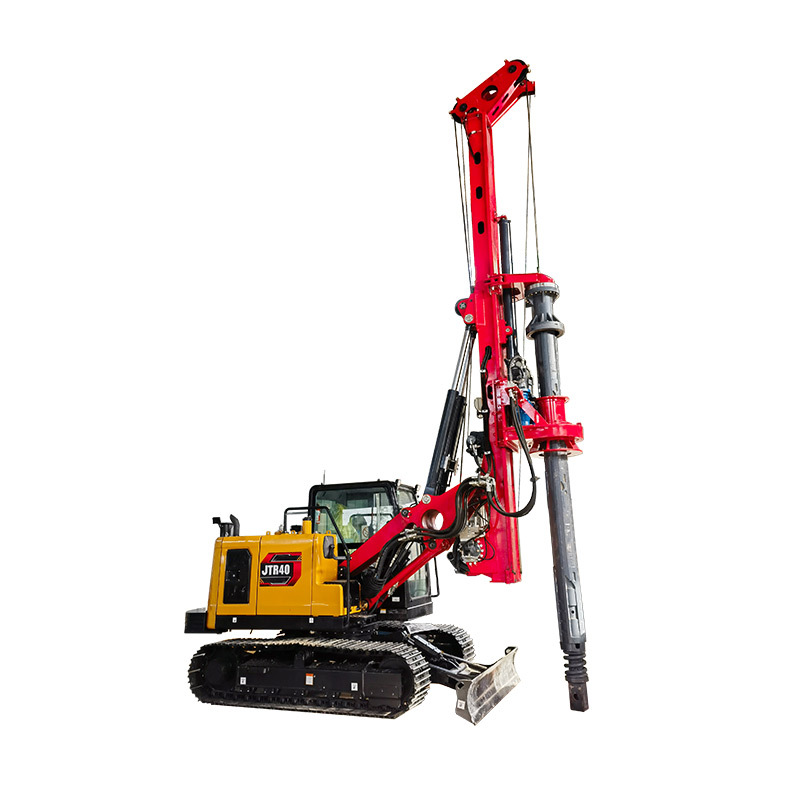
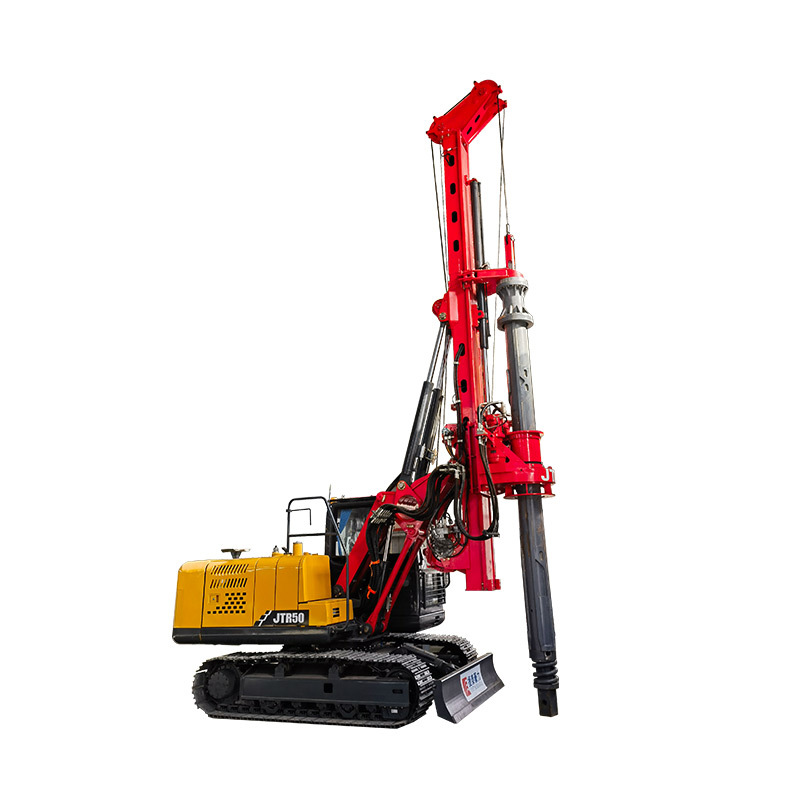
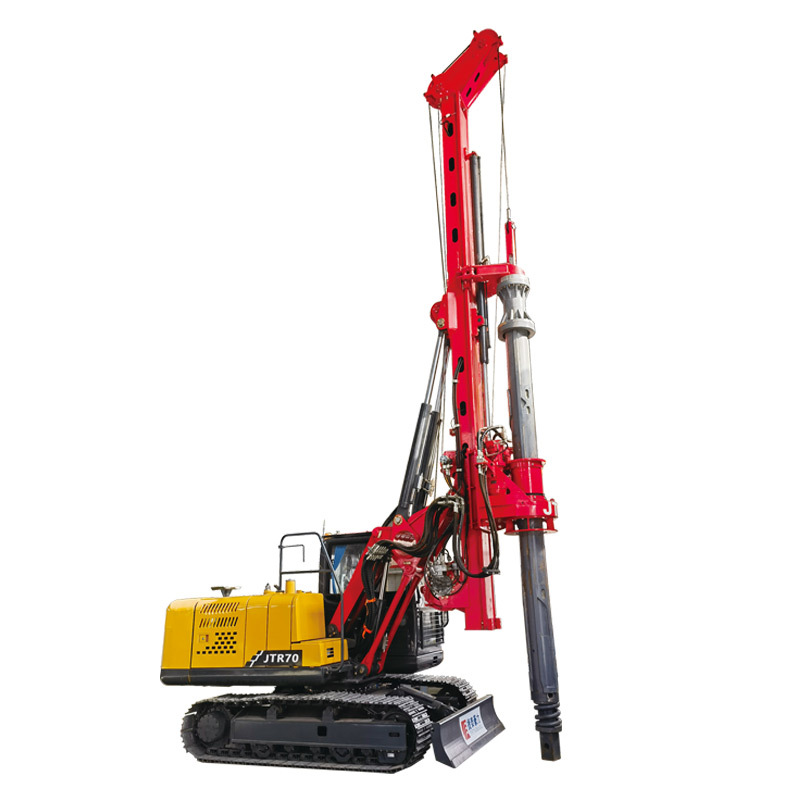
drilling rig hydraulic system parts

Business consulting:
Manufacturer: Shandong Jietai Haoli Machinery Equipment Co., Ltd.
Address: Nanchai industrial park, Hualong Town, Shouguang city, Shandong province
Business License
Copyright©2024 Shandong Jietai Haili Machinery Equipment Co., Ltd.