
22
2026
-
08
Understanding the Key Components of Drilling Rig Hydraulic System Parts
In the world of manufacturing and construction machinery, particularly in the realm of drilling rigs, hydraulic systems play a crucial role in ensuring efficiency and reliability. Hydraulic systems are responsible for converting fluid power into mechanical power, facilitating various operations such as lifting, rotating, and advancing drill bits. Understanding the key components of drilling rig hy

In the world of manufacturing and construction machinery, particularly in the realm of drilling rigs, hydraulic systems play a crucial role in ensuring efficiency and reliability. Hydraulic systems are responsible for converting fluid power into mechanical power, facilitating various operations such as lifting, rotating, and advancing drill bits. Understanding the key components of drilling rig hydraulic system parts can empower operators and maintenance teams to maximize productivity while minimizing downtime.
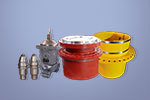
One of the fundamental components is the hydraulic pump. This device generates the hydraulic pressure necessary for the system to function. There are various types of hydraulic pumps, including gear pumps, piston pumps, and vane pumps, each offering unique advantages depending on the specific application. Selecting the right pump is critical for ensuring the system operates efficiently and meets the demands of the drilling process.
Another vital part of the hydraulic system is the hydraulic cylinder. This component converts the hydraulic energy into linear motion, allowing the drill to penetrate the ground effectively. Hydraulic cylinders come in different sizes and configurations, tailored to meet the specific requirements of the drilling rig. Regular inspection and maintenance of these cylinders are essential to prevent leaks and ensure optimal performance.
Hydraulic hoses and fittings also play a significant role in the system's functionality. These components transport hydraulic fluid between different parts of the system. The quality and condition of hoses and fittings directly impact the system's efficiency, as leaks or wear can lead to pressure loss and reduced performance. Routine checks and replacements of these components can prevent costly downtime and enhance the overall reliability of the drilling operation.
Additionally, hydraulic valves are crucial for controlling the flow and direction of hydraulic fluid within the system. These valves ensure that the right amount of fluid reaches the hydraulic cylinders, allowing for precise control over the drilling operations. Understanding the various types of valves—such as directional control valves, pressure relief valves, and flow control valves—can greatly enhance operational efficiency.
Lastly, hydraulic fluid itself is a component that should not be overlooked. The type and viscosity of hydraulic fluid directly affect the performance of the entire system. Choosing the correct fluid can optimize the hydraulic system's efficiency and longevity, leading to improved operational outcomes.
In summary, a solid understanding of drilling rig hydraulic system parts—including pumps, cylinders, hoses, valves, and fluids—is essential for professionals in the manufacturing and construction machinery sectors. By prioritizing these components' maintenance and selection, operations can achieve enhanced performance and reduced downtime, ultimately leading to more successful drilling projects.
One of the fundamental components is the hydraulic pump. This device generates the hydraulic pressure necessary for the system to function. There are various types of hydraulic pumps, including gear pumps, piston pumps, and vane pumps, each offering unique advantages depending on the specific application. Selecting the right pump is critical for ensuring the system operates efficiently and meets the demands of the drilling process.
Another vital part of the hydraulic system is the hydraulic cylinder. This component converts the hydraulic energy into linear motion, allowing the drill to penetrate the ground effectively. Hydraulic cylinders come in different sizes and configurations, tailored to meet the specific requirements of the drilling rig. Regular inspection and maintenance of these cylinders are essential to prevent leaks and ensure optimal performance.
Hydraulic hoses and fittings also play a significant role in the system's functionality. These components transport hydraulic fluid between different parts of the system. The quality and condition of hoses and fittings directly impact the system's efficiency, as leaks or wear can lead to pressure loss and reduced performance. Routine checks and replacements of these components can prevent costly downtime and enhance the overall reliability of the drilling operation.
Additionally, hydraulic valves are crucial for controlling the flow and direction of hydraulic fluid within the system. These valves ensure that the right amount of fluid reaches the hydraulic cylinders, allowing for precise control over the drilling operations. Understanding the various types of valves—such as directional control valves, pressure relief valves, and flow control valves—can greatly enhance operational efficiency.
Lastly, hydraulic fluid itself is a component that should not be overlooked. The type and viscosity of hydraulic fluid directly affect the performance of the entire system. Choosing the correct fluid can optimize the hydraulic system's efficiency and longevity, leading to improved operational outcomes.
In summary, a solid understanding of drilling rig hydraulic system parts—including pumps, cylinders, hoses, valves, and fluids—is essential for professionals in the manufacturing and construction machinery sectors. By prioritizing these components' maintenance and selection, operations can achieve enhanced performance and reduced downtime, ultimately leading to more successful drilling projects.
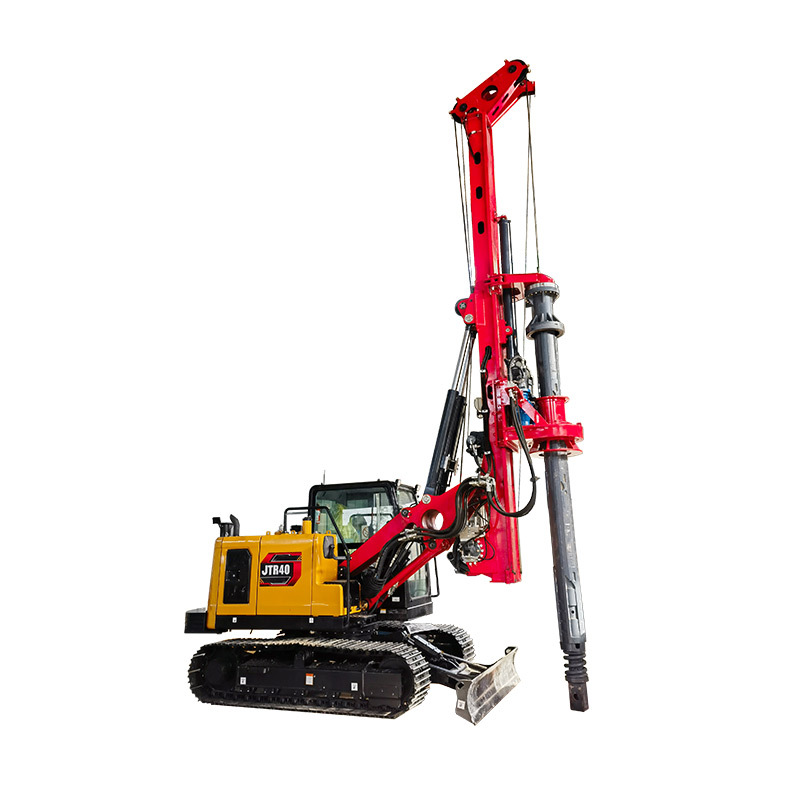
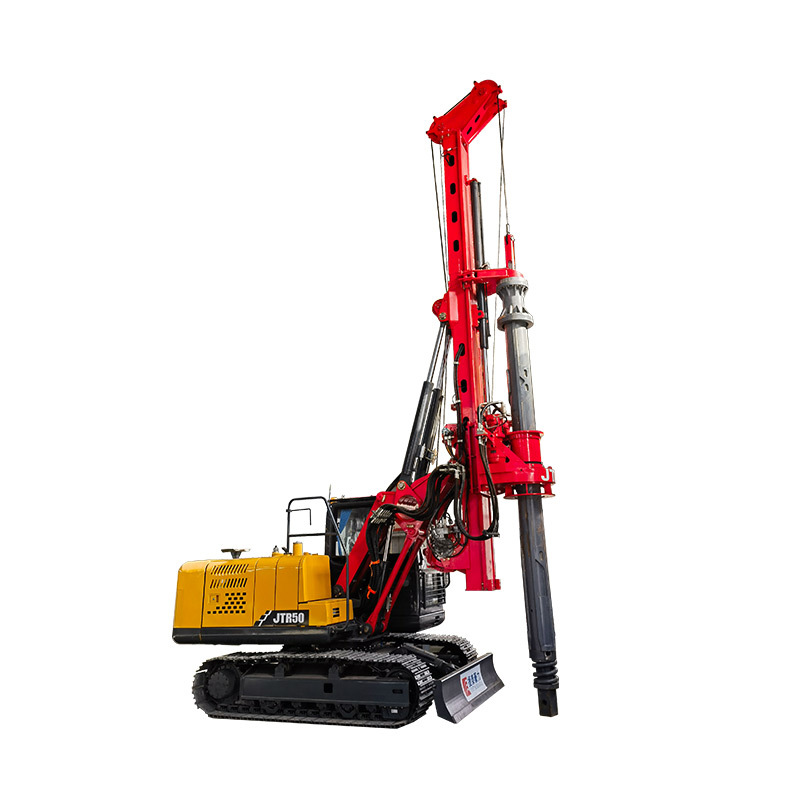
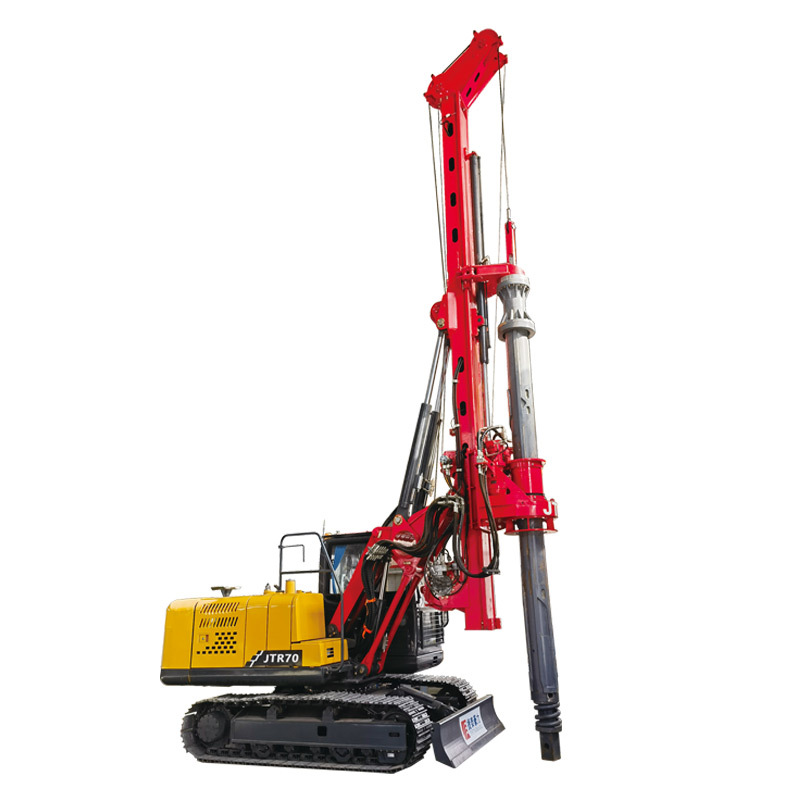
drilling rig hydraulic system parts

Business consulting:
Manufacturer: Shandong Jietai Haoli Machinery Equipment Co., Ltd.
Address: Nanchai industrial park, Hualong Town, Shouguang city, Shandong province
Business License
Copyright©2024 Shandong Jietai Haili Machinery Equipment Co., Ltd.