
25
2026
-
09
Comparative Analysis: Compound Pressurized Drill Pipe vs. Traditional Options in Metallurgy and Energy
Comparative Analysis: Compound Pressurized Drill Pipe vs. Traditional Options Introduction to Drill Pipes in the Metallurgy and Energy Sector The metallurgy and energy industries rely heavily on effective drilling techniques for exploration and extraction. Drill pipes serve as a critical component in the drilling process, influencing everything from efficiency to safety. In recent years, innovativ

Comparative Analysis: Compound Pressurized Drill Pipe vs. Traditional Options
Introduction to Drill Pipes in the Metallurgy and Energy Sector
The metallurgy and energy industries rely heavily on effective drilling techniques for exploration and extraction. Drill pipes serve as a critical component in the drilling process, influencing everything from efficiency to safety. In recent years, innovative technologies have emerged, including the **Compound Pressurized Drill Pipe**, which offers several advantages over traditional drilling options. This article presents a thorough comparative analysis, focusing on the benefits, drawbacks, and ideal applications of both types of drill pipes.
Understanding Compound Pressurized Drill Pipe
What is Compound Pressurized Drill Pipe?
The **Compound Pressurized Drill Pipe (CPDP)** is designed with advanced materials and engineering techniques, allowing it to withstand higher pressures and serve in extreme conditions. Unlike traditional drill pipes, which are often made from single materials, CPDP utilizes a combination of materials to enhance its performance and durability.
Key Features of Compound Pressurized Drill Pipe
1. **Enhanced Pressure Resistance**: CPDP can handle much higher pressures compared to traditional options, making it suitable for deep drilling applications.
2. **Improved Material Composition**: The use of composite materials provides better strength-to-weight ratios, leading to improved efficiency during drilling operations.
3. **Corrosion Resistance**: CPDP often includes corrosion-resistant coatings or treatments, extending its lifespan even in harsh environments.
4. **Modular Design**: Many CPDP systems allow for easy modular adjustments, making them versatile for various drilling needs.
Traditional Drill Pipe Options: An Overview
Characteristics of Traditional Drill Pipe
Traditional drill pipes have been the backbone of drilling operations for decades. Typically made from steel, they offer several reliable features:
1. **Standardized Manufacturing**: Traditional pipes are mass-produced, ensuring availability and consistency in quality.
2. **Proven Track Record**: With years of industry use, traditional pipes have established a reputation for reliability.
3. **Cost-Effectiveness**: Generally, traditional drill pipes are less expensive, making them a common choice for budget-conscious operations.
Limitations of Traditional Drill Pipe
Despite their benefits, traditional drill pipes come with limitations:
1. **Lower Pressure Capacity**: Traditional options may not handle the extreme pressures required for deep drilling.
2. **Heavier Weight**: The steel composition can make traditional drill pipes heavier, which can affect mobility and efficiency.
3. **Corrosion Vulnerability**: Traditional pipes are more susceptible to corrosion, especially in aggressive environments.
Comparative Performance Analysis
Pressure Resistance Comparison
When comparing the pressure resistance of CPDP and traditional drill pipes, the advantages of CPDP become clear. The ability to withstand significantly higher pressures makes CPDP a superior choice for deep drilling projects. In contrast, traditional pipes may buckle or fail under similar conditions, leading to costly downtime and safety hazards.
Weight and Efficiency Considerations
The weight of drill pipes directly influences drilling efficiency. CPDP’s composite materials allow for a lighter design without sacrificing strength. This weight reduction translates to faster drilling speeds and lower energy consumption, offering a substantial operational advantage over traditional steel drill pipes.
Durability and Longevity
The durability of drilling equipment is paramount. The corrosion resistance provided by CPDP enhances its longevity, often leading to lower replacement costs over time. Traditional drill pipes, while reliable, may require more frequent maintenance or replacement, particularly in corrosive environments.
Cost Analysis: Traditional Drill Pipe vs. Compound Pressurized Drill Pipe
Initial Investment and Operating Costs
While traditional drill pipes typically have a lower initial purchase cost, it’s essential to consider the total cost of ownership. CPDP may present a higher upfront investment, but its durability and efficiency can lead to reduced operating costs. For companies focused on long-term efficiency, the higher initial cost of CPDP could yield significant savings.
Maintenance and Replacement Expenses
Traditional drill pipes often require more maintenance and replacement, particularly in harsh conditions where corrosion is prevalent. The advanced materials used in CPDP reduce the frequency of these costs, allowing operators to allocate resources more effectively over time.
Application Suitability: When to Choose Which Pipe
Ideal Scenarios for Compound Pressurized Drill Pipe
1. **Deep-Well Drilling**: For projects that require drilling at significant depths, CPDP’s high-pressure capabilities make it the best choice.
2. **Corrosive Environment Drilling**: In locations where corrosive substances are present, the superior resistance of CPDP can dramatically enhance safety and reduce costs.
3. **High-Efficiency Projects**: When time and efficiency are critical, the lightweight design of CPDP can provide operational advantages.
Best Uses for Traditional Drill Pipe
1. **Shallow Drilling Operations**: For projects requiring less extreme conditions, traditional drill pipes can be an economical option.
2. **Limited Budgets**: In cases where budget constraints are significant, traditional pipes can fulfill basic needs effectively.
3. **Standardized Applications**: In scenarios where the drilling environment is well understood and conditions are stable, traditional drill pipes can be a reliable choice.
Environmental Considerations
As industries increasingly focus on sustainability, the environmental impact of drilling equipment gains attention. CPDP's advanced materials may lead to less environmental degradation due to longer lifespans and reduced failures. Conversely, traditional drill pipes may contribute more waste due to their shorter life cycles and increased maintenance needs.
Future Trends in Drilling Technology
The drilling industry is continually evolving, with trends leaning towards more advanced materials and technologies. We anticipate further innovations in composite technologies and pressure-resistant designs. Understanding these trends is crucial for professionals looking to stay ahead in this competitive field.
Conclusion
In conclusion, the choice between Compound Pressurized Drill Pipe and traditional options hinges on specific project requirements, budgets, and environmental considerations. CPDP presents a strong case for projects demanding durability, efficiency, and high-pressure capabilities. While traditional drill pipes remain a reliable choice for many applications, the advancements in CPDP technology indicate a significant shift in the future of drilling operations. Investing in the right equipment will not only enhance operational efficiency but also drive long-term savings and environmental sustainability in the metallurgy and energy sectors.
Frequently Asked Questions
1. What is the primary advantage of using Compound Pressurized Drill Pipe?
The primary advantage is its capability to withstand higher pressures, making it suitable for deep drilling operations and challenging environments.
2. Are Compound Pressurized Drill Pipes more expensive than traditional options?
Yes, CPDP typically involves a higher initial investment, but it can lead to lower overall costs due to its durability and efficiency.
3. How does the weight of drill pipes affect drilling operations?
Lighter drill pipes, like CPDP, improve drilling speed and reduce energy consumption, leading to more efficient operations.
4. In what environments do traditional drill pipes perform best?
Traditional drill pipes are effective in shallow drilling operations and controlled environments where budget constraints are significant.
5. What trends are shaping the future of drilling technology?
Future trends include advancements in composite materials, improved pressure resistance, and a greater focus on sustainability within the industry.
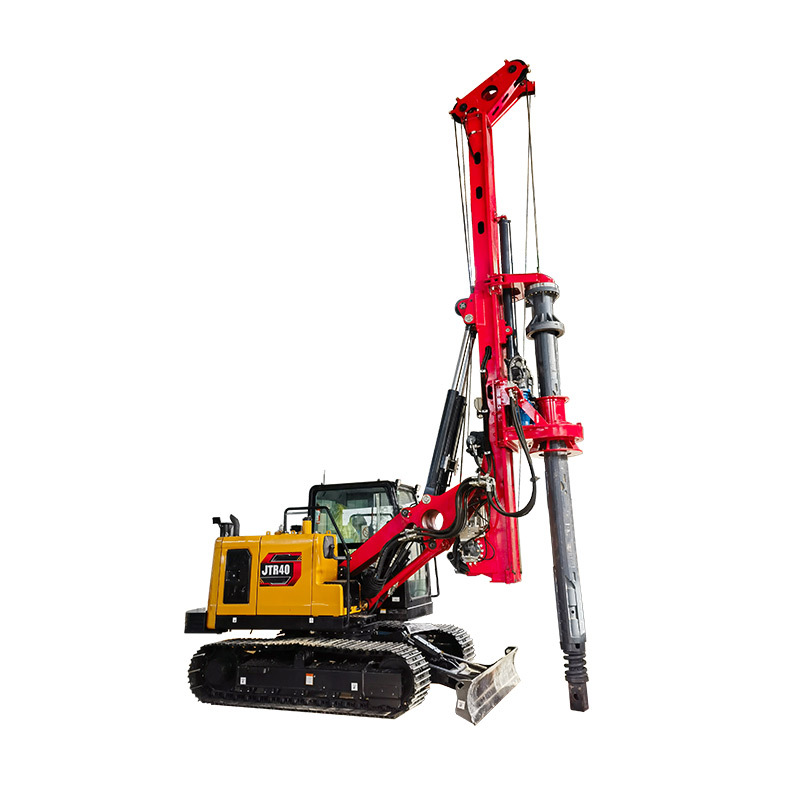
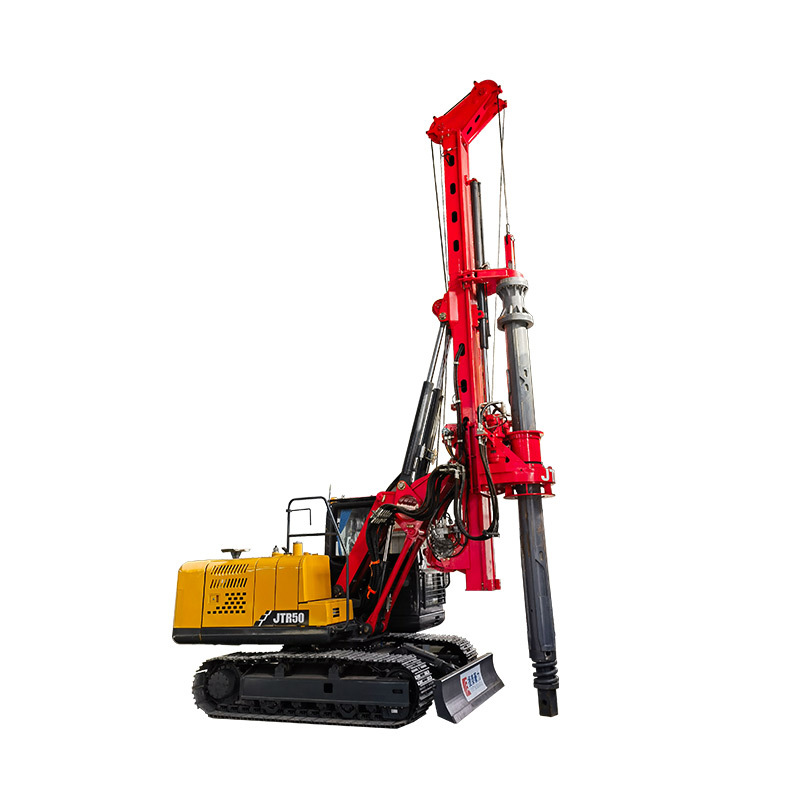
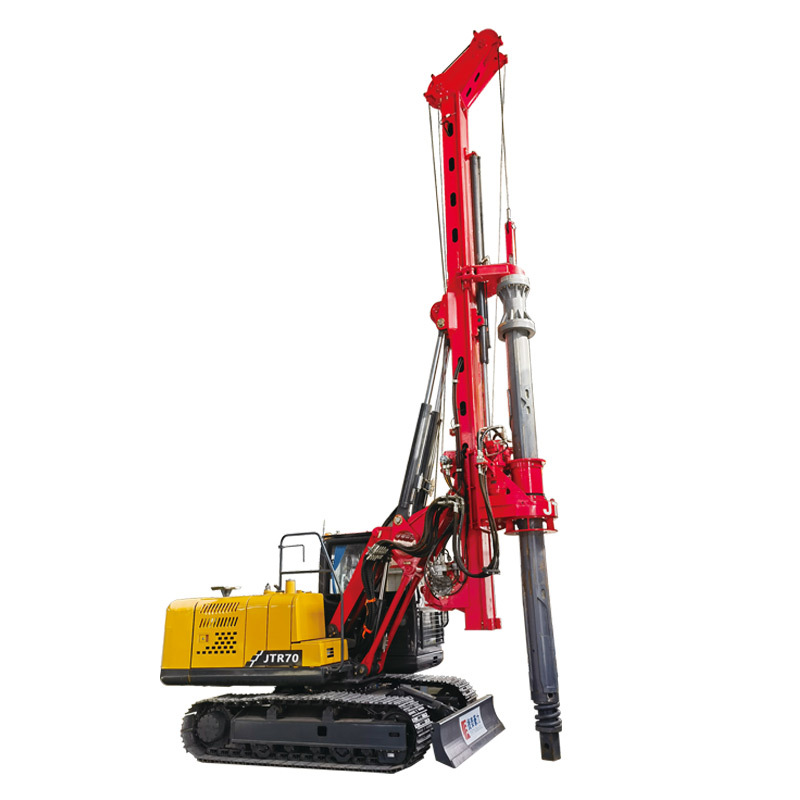
Compound pressurized drill pipe

Business consulting:
Manufacturer: Shandong Jietai Haoli Machinery Equipment Co., Ltd.
Address: Nanchai industrial park, Hualong Town, Shouguang city, Shandong province
Business License
Copyright©2024 Shandong Jietai Haili Machinery Equipment Co., Ltd.