

22
2026
-
04
Heavy Duty Rotary Drilling Rigs: Pioneering Sustainable Engineering Practices
Heavy Duty Rotary Drilling Rigs: Pioneering Sustainable Engineering Practices Table of Contents Introduction to Heavy Duty Rotary Drilling Rigs Understanding the Technology Behind Rotary Drilling The Importance of Sustainability in Engineering Benefits of Heavy Duty Rotary Drilling Rigs Applications in Various Industries The Environmental Impact of Rotary Drilling Future Trends in Rotary Drilling

Heavy Duty Rotary Drilling Rigs: Pioneering Sustainable Engineering Practices
Table of Contents
- Introduction to Heavy Duty Rotary Drilling Rigs
- Understanding the Technology Behind Rotary Drilling
- The Importance of Sustainability in Engineering
- Benefits of Heavy Duty Rotary Drilling Rigs
- Applications in Various Industries
- The Environmental Impact of Rotary Drilling
- Future Trends in Rotary Drilling Technology
- Conclusion
- Frequently Asked Questions
Introduction to Heavy Duty Rotary Drilling Rigs
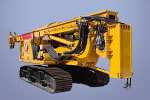
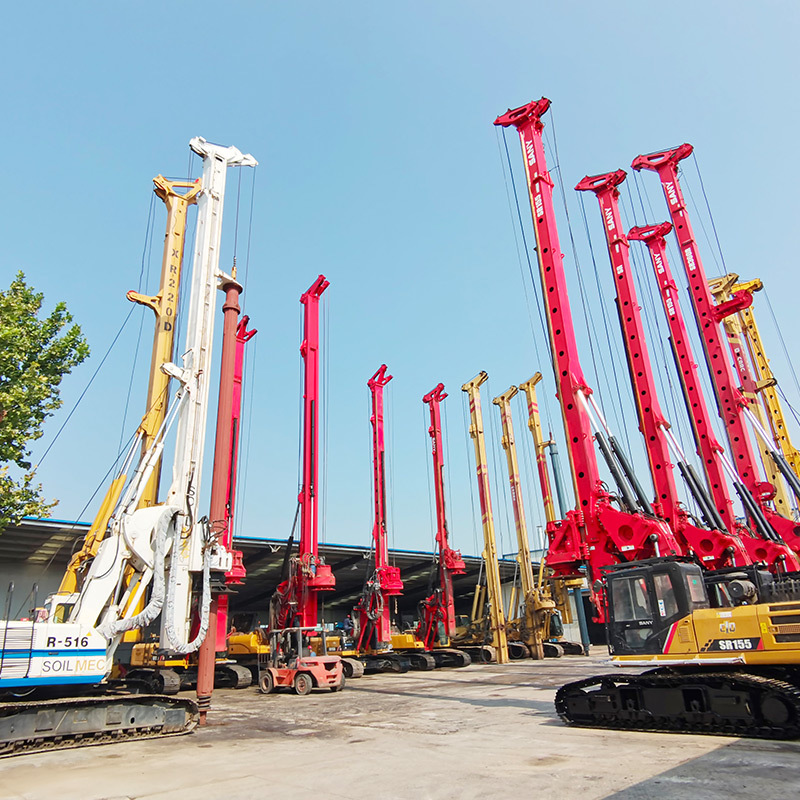
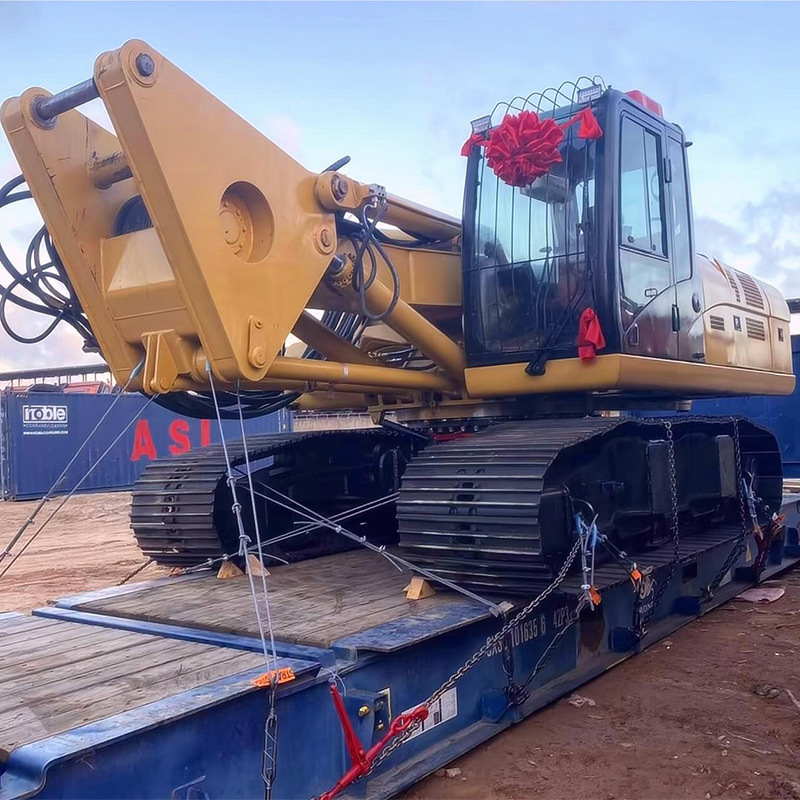
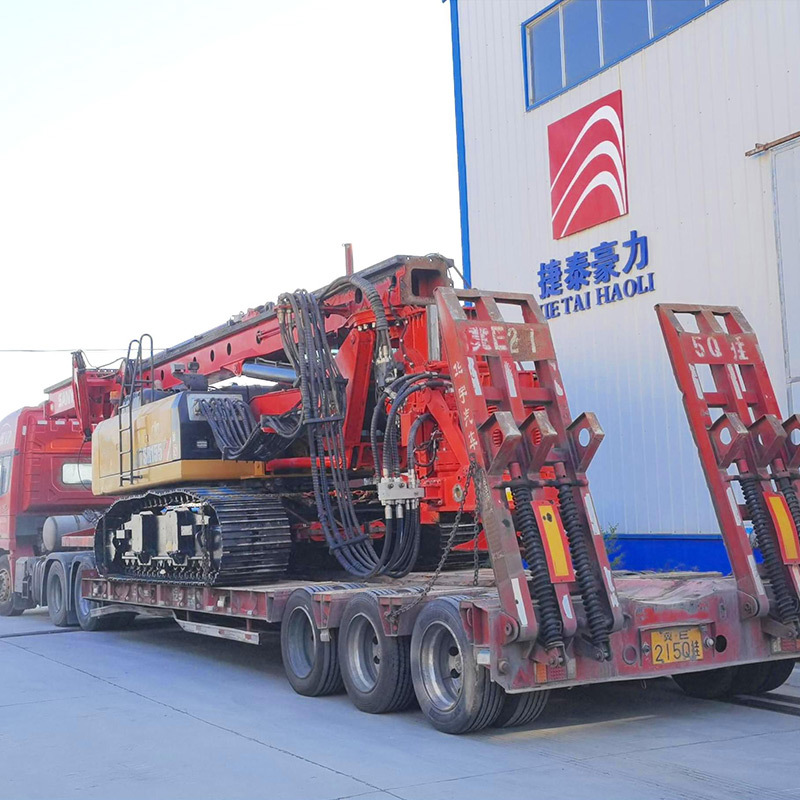
Heavy-duty rotary drilling rigs are pivotal in the construction and engineering sectors. These machines, engineered for strength and durability, excel in creating deep boreholes essential for various applications, including geological exploration, foundation drilling, and the installation of underground utilities. The evolution of these rigs towards a more sustainable approach reflects the industry's commitment to reducing its environmental footprint while maximizing efficiency.
Understanding the Technology Behind Rotary Drilling
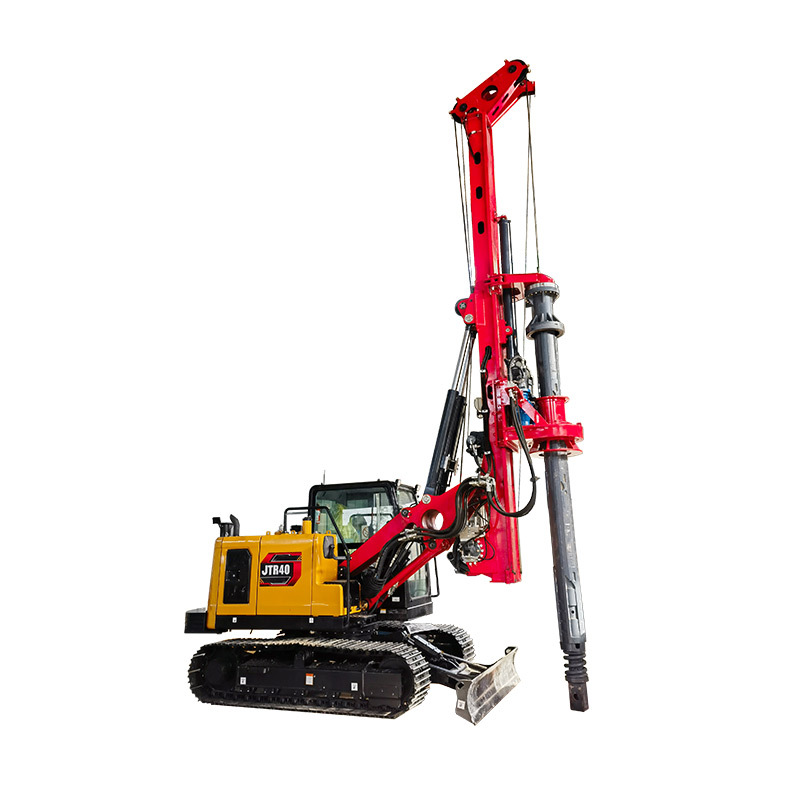
Rotary drilling rigs employ a rotary mechanism, allowing for continuous drilling of hard ground materials. This technology eliminates the need for repetitive hammering or chiseling, which can cause excessive wear on equipment and result in longer project durations. The core components of a rotary drilling rig include:
Drilling Mechanisms
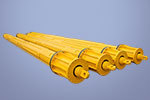
Heavy-duty rotary rigs utilize various drilling mechanisms, such as the auger and the roller cone bit. These methods ensure effective penetration into the earth's crust, catering to diverse geological conditions.
Power and Efficiency
Modern rigs are equipped with powerful engines and advanced hydraulic systems that enhance operational efficiency. This power translates into faster drilling times and the ability to tackle tougher terrains without compromising performance.
Control Systems
Advanced control systems enable operators to monitor real-time drilling parameters, ensuring safety and precision. These systems play a crucial role in optimizing the drilling process while minimizing energy consumption.
The Importance of Sustainability in Engineering
As environmental concerns gain prominence, the engineering sector is increasingly prioritizing sustainable practices. Sustainable engineering focuses on reducing environmental impact, conserving resources, and promoting social responsibility. Heavy-duty rotary drilling rigs contribute to these goals in several ways:
Resource Efficiency
By utilizing cutting-edge technology, these rigs improve resource efficiency, from fuel consumption to material usage. This translates to cost savings and a reduced environmental footprint.
Minimizing Land Disruption
Rotary drilling is known for its minimal land disturbance compared to traditional drilling methods. This is particularly beneficial in sensitive ecological areas, where preserving the surrounding environment is critical.
Energy Efficiency
The shift towards energy-efficient hydraulic systems and electric drives means that modern rigs consume less power, contributing to a lower carbon footprint.
Benefits of Heavy Duty Rotary Drilling Rigs
The adoption of heavy-duty rotary drilling rigs offers numerous advantages, particularly in the context of sustainable engineering:
Enhanced Performance
The robust nature of these rigs allows for higher performance levels, drilling deeper and faster while maintaining accuracy and stability.
Versatility in Application
These rigs can be adapted for various projects, from water well drilling to geothermal installations, making them a versatile asset in the engineering toolbox.
Improved Safety Standards
The technology in modern drilling rigs emphasizes safety, reducing the risk of accidents and enhancing working conditions for operators.
Applications in Various Industries
Heavy-duty rotary drilling rigs find applications across numerous sectors, including:
Construction
In construction, these rigs are essential for laying foundation piles, underpinning structures, and creating anchor points for stability.
Mining
The mining industry relies on rotary drilling for exploration and production, allowing for efficient extraction of minerals with minimal environmental impact.
Environmental Remediation
Heavy-duty rotary drilling rigs are utilized in environmental remediation projects, where they assist in drilling boreholes for monitoring and extracting contaminants from the soil.
Geothermal Energy
The growing field of geothermal energy heavily depends on these rigs for drilling the wells necessary for energy extraction, contributing to a sustainable energy future.
The Environmental Impact of Rotary Drilling
While heavy-duty rotary drilling rigs are designed for efficiency, their environmental impact must be carefully managed. Key considerations include:
Water Usage
Drilling operations often require significant amounts of water, necessitating responsible management to prevent depletion of local water resources.
Waste Management
The process generates waste materials, including drill cuttings and fluids. Effective disposal and treatment methods are essential to minimize environmental harm.
Noise and Air Pollution
Advanced technology aims to reduce noise and emissions from machinery, addressing community concerns and aligning with environmental regulations.
Future Trends in Rotary Drilling Technology
Looking ahead, the rotary drilling industry is poised for several key advancements:
Integration of Automation
The integration of automation and artificial intelligence is expected to enhance drilling efficiency and safety, reducing human error and streamlining operations.
Development of Eco-Friendly Materials
Research into eco-friendly materials for constructing drilling rigs will further promote sustainable practices within the industry.
Renewable Energy Integration
The potential for integrating renewable energy sources to power rigs, such as solar or wind energy, aligns with global sustainability goals.
Conclusion
Heavy-duty rotary drilling rigs are at the forefront of sustainable engineering practices, providing efficiency and versatility while minimizing environmental impact. As industries strive to meet modern sustainability challenges, these rigs represent a critical component in achieving a balance between development and ecological responsibility. By embracing advanced technologies and prioritizing sustainability, the engineering sector can pave the way for a greener future.
Frequently Asked Questions
1. What are heavy-duty rotary drilling rigs used for?
Heavy-duty rotary drilling rigs are primarily used for deep borehole drilling in construction, mining, geothermal energy extraction, and environmental remediation.
2. How do rotary drilling rigs contribute to sustainability?
These rigs enhance resource efficiency, minimize land disruption, and improve energy consumption, thereby reducing the overall environmental impact of drilling operations.
3. What technologies are incorporated in modern rotary drilling rigs?
Modern rigs feature advanced hydraulic systems, real-time control systems, and eco-friendly engines, all designed to optimize performance and reduce emissions.
4. Can rotary drilling be used in sensitive ecological areas?
Yes, rotary drilling is often preferred in sensitive ecological areas due to its minimal land disturbance compared to traditional drilling methods.
5. What are the future trends for rotary drilling technology?
Future trends include automation, the use of eco-friendly materials, and the integration of renewable energy sources to power drilling operations.
This article endeavors to provide a thorough understanding of heavy-duty rotary drilling rigs while emphasizing their pivotal role in promoting sustainable engineering practices.
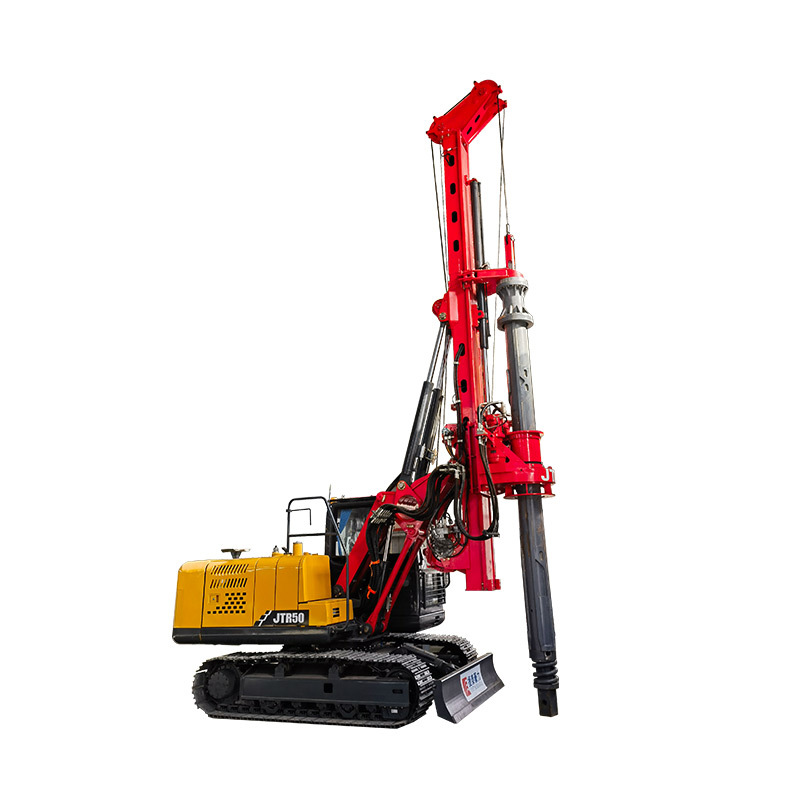
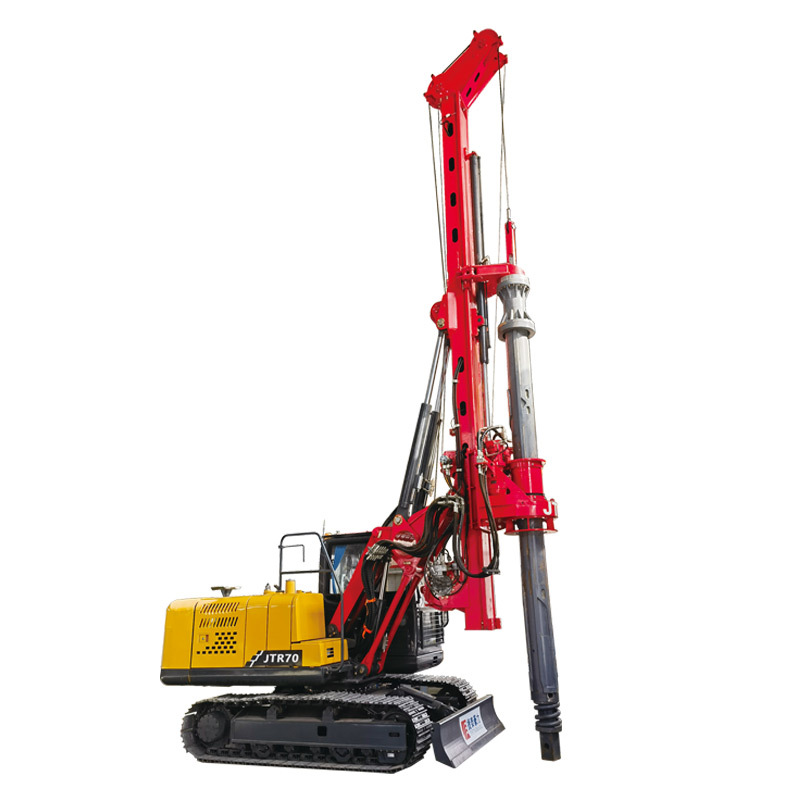
heavy duty rotary drilling rig

Business consulting:
Manufacturer: Shandong Jietai Haoli Machinery Equipment Co., Ltd.
Address: Nanchai industrial park, Hualong Town, Shouguang city, Shandong province
Business License
Copyright©2024 Shandong Jietai Haili Machinery Equipment Co., Ltd.