
23
2026
-
04
The Essential Guide to Kelly Bars for Rotary Drilling Rigs
In the world of rotary drilling rigs, the Kelly bar plays a crucial role in the efficiency and effectiveness of drilling operations. A Kelly bar is a specialized drilling tool utilized to transmit torque and provide stability during the drilling process. It is primarily used in rotary drilling rigs for deep foundation work, soil stabilization, and various excavation projects. Kelly bars come in di

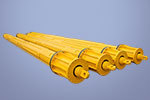
In the world of rotary drilling rigs, the Kelly bar plays a crucial role in the efficiency and effectiveness of drilling operations. A Kelly bar is a specialized drilling tool utilized to transmit torque and provide stability during the drilling process. It is primarily used in rotary drilling rigs for deep foundation work, soil stabilization, and various excavation projects.
Kelly bars come in different designs and configurations, each tailored to meet specific drilling requirements. The two most common types are the square and the hexagonal Kelly bar. The design choice affects the overall performance of the rig, including torque transmission, bending resistance, and the ability to handle various soil conditions. When selecting a Kelly bar, it's essential to consider the specific application, soil type, and the depth of the borehole. The right choice will enhance operational efficiency and improve the overall outcome of the drilling project.
One of the primary advantages of using a Kelly bar in rotary drilling rigs is its ability to maintain a consistent and stable drilling process. The bar connects the drill bit to the rig's rotational system, ensuring that the torque is evenly distributed. This consistency reduces the likelihood of drill bit wear and tear, leading to more extended service life and lower operational costs.
Moreover, the flexibility of Kelly bars allows them to be utilized in various drilling environments, including rocky terrains and soft, unstable soils. Their robust construction enables them to withstand extreme forces and pressures encountered during drilling operations. Additionally, many modern Kelly bars are designed with enhanced features, such as interlocking systems or quick-connect mechanisms, which facilitate easier installation and removal, ultimately reducing downtime.
Maintenance of the Kelly bar is paramount to ensure its longevity and effectiveness. Regular inspections should be conducted to identify any signs of wear, such as cracks or deformities. Proper lubrication and alignment are also critical to prevent premature wear and ensure that the Kelly bar operates smoothly within the rig's system.
In conclusion, the Kelly bar is an integral component of rotary drilling rigs, significantly impacting the efficiency and effectiveness of drilling projects. By understanding the role and advantages of Kelly bars, as well as recognizing the importance of maintenance, professionals in the construction and mining sectors can enhance their drilling operations. Selecting the right Kelly bar tailored to specific project needs is essential for maximizing productivity and minimizing costs.
Kelly bars come in different designs and configurations, each tailored to meet specific drilling requirements. The two most common types are the square and the hexagonal Kelly bar. The design choice affects the overall performance of the rig, including torque transmission, bending resistance, and the ability to handle various soil conditions. When selecting a Kelly bar, it's essential to consider the specific application, soil type, and the depth of the borehole. The right choice will enhance operational efficiency and improve the overall outcome of the drilling project.
One of the primary advantages of using a Kelly bar in rotary drilling rigs is its ability to maintain a consistent and stable drilling process. The bar connects the drill bit to the rig's rotational system, ensuring that the torque is evenly distributed. This consistency reduces the likelihood of drill bit wear and tear, leading to more extended service life and lower operational costs.
Moreover, the flexibility of Kelly bars allows them to be utilized in various drilling environments, including rocky terrains and soft, unstable soils. Their robust construction enables them to withstand extreme forces and pressures encountered during drilling operations. Additionally, many modern Kelly bars are designed with enhanced features, such as interlocking systems or quick-connect mechanisms, which facilitate easier installation and removal, ultimately reducing downtime.
Maintenance of the Kelly bar is paramount to ensure its longevity and effectiveness. Regular inspections should be conducted to identify any signs of wear, such as cracks or deformities. Proper lubrication and alignment are also critical to prevent premature wear and ensure that the Kelly bar operates smoothly within the rig's system.
In conclusion, the Kelly bar is an integral component of rotary drilling rigs, significantly impacting the efficiency and effectiveness of drilling projects. By understanding the role and advantages of Kelly bars, as well as recognizing the importance of maintenance, professionals in the construction and mining sectors can enhance their drilling operations. Selecting the right Kelly bar tailored to specific project needs is essential for maximizing productivity and minimizing costs.
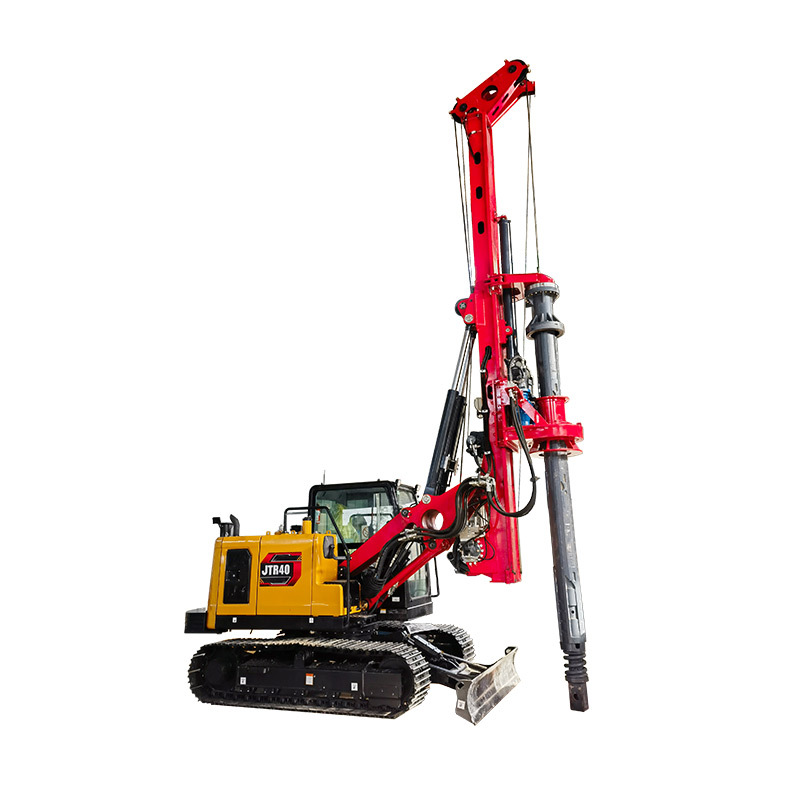
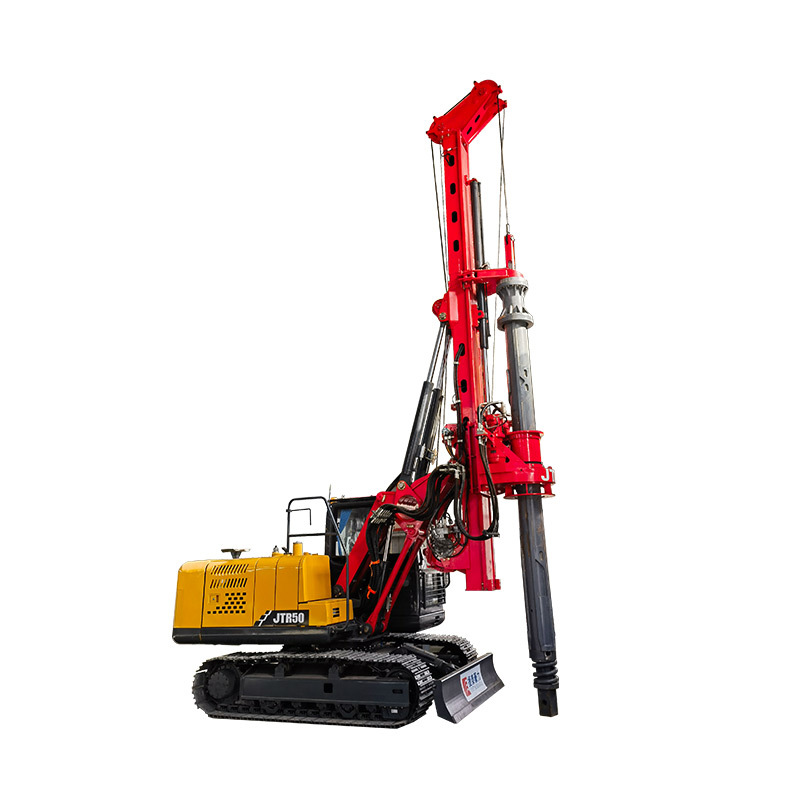
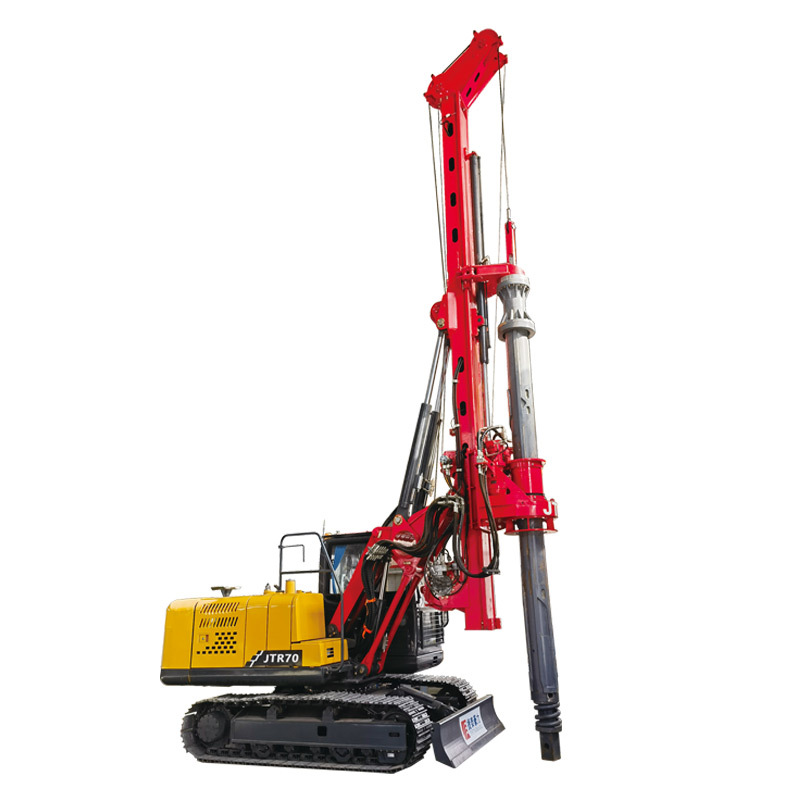
kelly bar for rotary drilling rig

Business consulting:
Manufacturer: Shandong Jietai Haoli Machinery Equipment Co., Ltd.
Address: Nanchai industrial park, Hualong Town, Shouguang city, Shandong province
Business License
Copyright©2024 Shandong Jietai Haili Machinery Equipment Co., Ltd.