
06
2026
-
05
Maximizing Efficiency: How to Choose the Right Second Hand Rotary Drilling Rig
Maximizing Efficiency: How to Choose the Right Second Hand Rotary Drilling Rig Table of Contents 1. Understanding the Importance of Rotary Drilling Rigs 2. Benefits of Choosing Second Hand Rotary Drilling Equipment 3. Key Factors to Consider When Selecting a Used Rotary Drilling Rig 3.1 Assessing the Rig's Condition and Maintenance History 3.2 Evaluating Performance Specifications 3.3 Analyzing th

Maximizing Efficiency: How to Choose the Right Second Hand Rotary Drilling Rig
Table of Contents
1. Understanding the Importance of Rotary Drilling Rigs
2. Benefits of Choosing Second Hand Rotary Drilling Equipment
3. Key Factors to Consider When Selecting a Used Rotary Drilling Rig
3.1 Assessing the Rig's Condition and Maintenance History
3.2 Evaluating Performance Specifications
3.3 Analyzing the Brand and Model Reputation
3.4 Understanding the Availability of Spare Parts and Support
3.5 Considering Your Project Requirements
4. Where to Find Quality Second Hand Rotary Drilling Rigs
5. The Role of Inspections and Testing
6. Cost Considerations: Budgeting for Your Purchase
7. Frequently Asked Questions (FAQs)
8. Conclusion
1. Understanding the Importance of Rotary Drilling Rigs
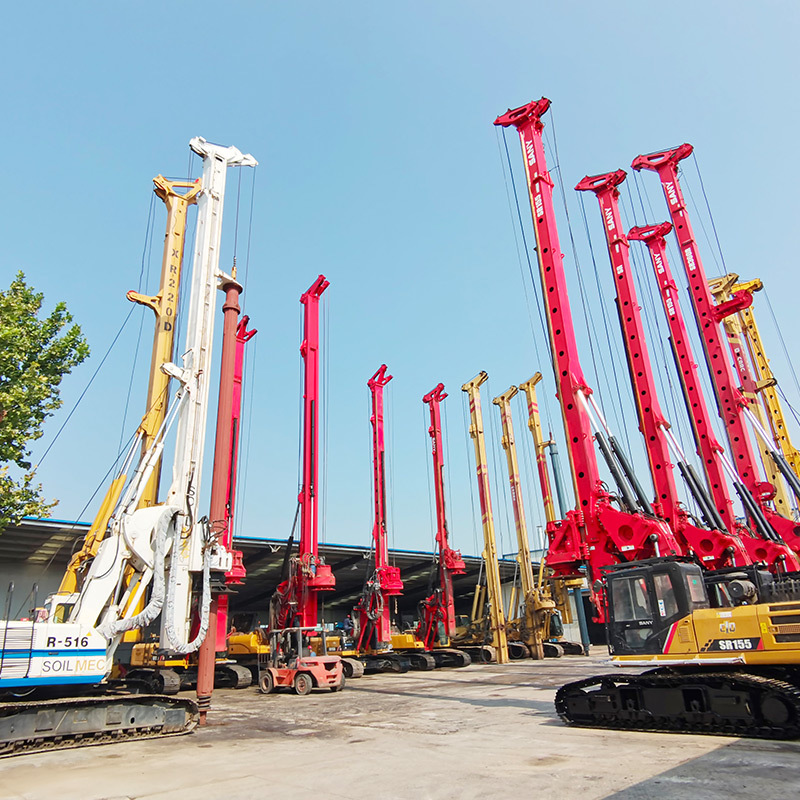
Rotary drilling rigs serve as an essential component in construction and engineering projects, particularly in the excavation of foundations, utilities installation, and mineral exploration. Their ability to penetrate tough soil and rock formations makes them invaluable for both small-scale and large-scale operations. As industries evolve, the demand for robust and reliable drilling rigs increases, leading to a market for second-hand equipment that can deliver high-quality performance at a fraction of the cost of new machinery.
2. Benefits of Choosing Second Hand Rotary Drilling Equipment
The choice to invest in a second-hand rotary drilling rig comes with numerous advantages. Firstly, it allows businesses to save on capital expenditure, which is particularly beneficial for startups and smaller companies trying to manage budgets effectively. Secondly, purchasing used machinery often enables access to higher-end models that may otherwise be financially out of reach. Additionally, the depreciation on used equipment is significantly less than that of new machinery, ensuring that your investment retains value over time.
3. Key Factors to Consider When Selecting a Used Rotary Drilling Rig
Choosing the right second-hand rotary drilling rig is critical for maximizing efficiency and ensuring project success. Here are the key factors to consider:
3.1 Assessing the Rig's Condition and Maintenance History
Before finalizing any purchase, it is crucial to assess the overall condition of the rig. Look for signs of wear and tear, such as rust, leaks, or structural damage. Additionally, request the maintenance history to understand how well the rig has been cared for. A well-maintained rig is more likely to perform efficiently and require fewer repairs.
3.2 Evaluating Performance Specifications
Performance specifications, including drilling depth, torque capacity, and rotation speed, should align with your project requirements. Review the rig’s documentation and consult experts if necessary to ensure it meets the operational demands of your intended applications.
3.3 Analyzing the Brand and Model Reputation
Some brands and models are known for their reliability and performance. Research customer reviews, industry feedback, and expert recommendations to identify which brands offer the best second-hand options. A reputable brand may provide peace of mind regarding quality and durability.
3.4 Understanding the Availability of Spare Parts and Support
When considering a second-hand rig, factor in the availability of spare parts and technical support. Brands with a solid support network and readily available parts will save you time and money in the long run, reducing maintenance downtime and ensuring smooth operations.
3.5 Considering Your Project Requirements
Different projects may require specific types of rotary drilling rigs. Consider whether you need a rig designed for soft soil, hard rock, or a combination of both. Understanding your project's geological conditions will help narrow down suitable options and ensure optimal drilling performance.
4. Where to Find Quality Second Hand Rotary Drilling Rigs
Finding a reliable source for second-hand rotary drilling rigs is crucial. Several options exist, including:
- **Online Marketplaces**: Websites specializing in used industrial equipment can provide a wide range of choices. Always verify seller credibility before proceeding.
- **Auction Houses**: Equipment auctions can offer great deals on used machinery. Attending in person allows for a closer inspection of the rig before bidding.
- **Dealers and Distributors**: Some dealers specialize in used equipment and provide warranties or guarantees, adding another layer of protection for your investment.
- **Industry Events and Trade Shows**: Networking at industry events can lead to opportunities to purchase second-hand rigs directly from other contractors or suppliers.
5. The Role of Inspections and Testing
Conducting thorough inspections and testing before purchasing a second-hand rotary drilling rig cannot be overstated. Engage a qualified technician to evaluate the rig's performance, ensuring all components function correctly. Testing can include:
- **Operational Checks**: Verify all controls and systems operate smoothly.
- **Hydraulic System Evaluation**: Check for leaks and assess hydraulic fluid levels.
- **Drill Bit Performance**: Analyze the condition of drill bits and assess the suitability for your intended applications.
Investing time in this phase will prevent costly mistakes down the road.
6. Cost Considerations: Budgeting for Your Purchase
While purchasing a second-hand rotary drilling rig is often cost-effective, budgeting should account for more than just the initial purchase price. Consider additional expenses such as:
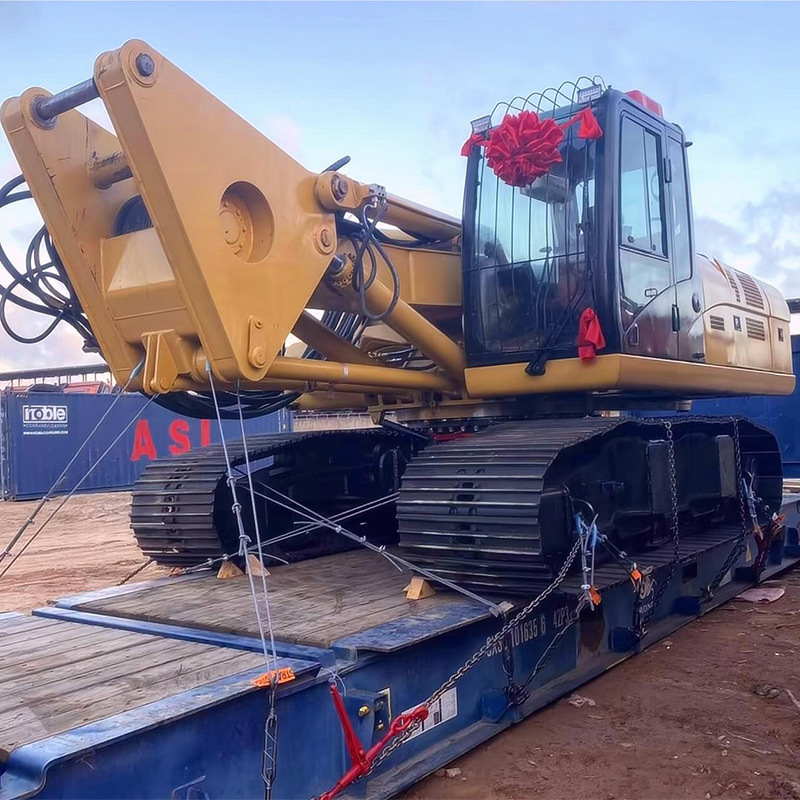
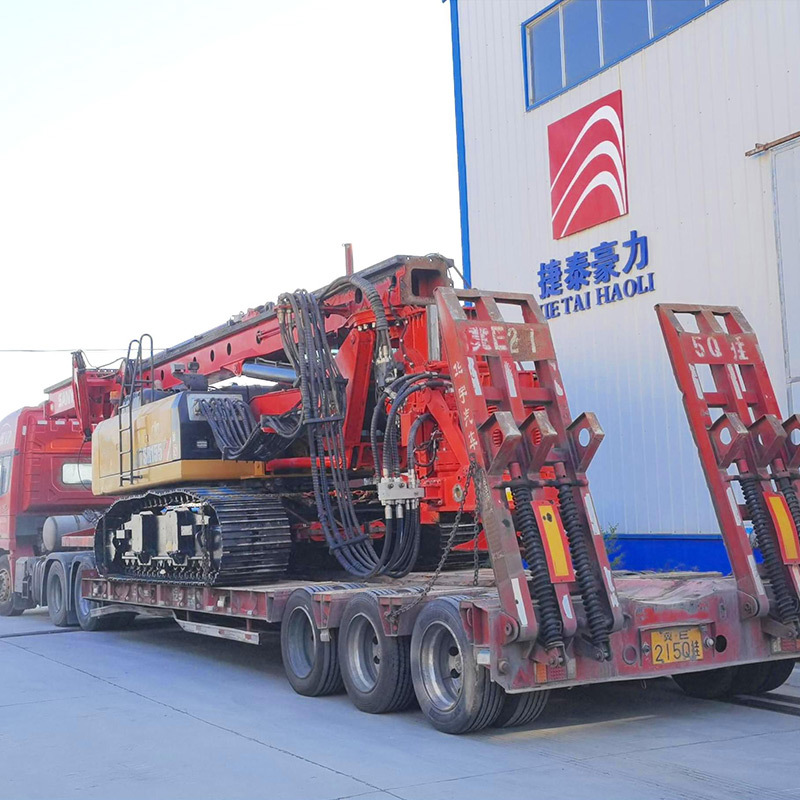
- **Transport and Setup**: Factor in the costs associated with transporting the rig and setting it up at your job site.
- **Maintenance and Repairs**: Allocate funds for potential repairs and regular maintenance to ensure the rig remains in peak condition.
- **Insurance**: Protect your investment by obtaining the appropriate insurance coverage for the rig.
A well-planned budget will ensure that your investment remains sustainable long-term.
7. Frequently Asked Questions (FAQs)
What are the main advantages of buying second-hand rotary drilling rigs?
Buying second-hand rigs can significantly lower costs while providing access to high-quality equipment that may be otherwise unaffordable.
How can I ensure the quality of a second-hand rig?
Conduct thorough inspections, review maintenance history, and consult professionals for testing before making a purchase.
Where can I find reliable suppliers for second-hand drilling rigs?
Look into online marketplaces, auction houses, authorized dealers, and industry trade shows for reputable sources.
How can I determine if a used rig will meet my project requirements?
Evaluate the rig’s specifications against your project needs, and consider soil conditions, drilling depth, and necessary torque.
What should I budget for when purchasing a second-hand rig?
In addition to the purchase price, consider transport, setup, maintenance, repairs, and insurance costs.
8. Conclusion
Selecting the right second-hand rotary drilling rig is a vital decision that can significantly impact the efficiency and success of your projects. By understanding the importance of these rigs, evaluating key factors such as condition, performance specifications, and brand reputation, and conducting proper inspections, you can make a well-informed choice that meets your needs. With careful research and consideration, investing in a second-hand rig not only saves costs but also enhances operational capacity, paving the way for successful project completion.
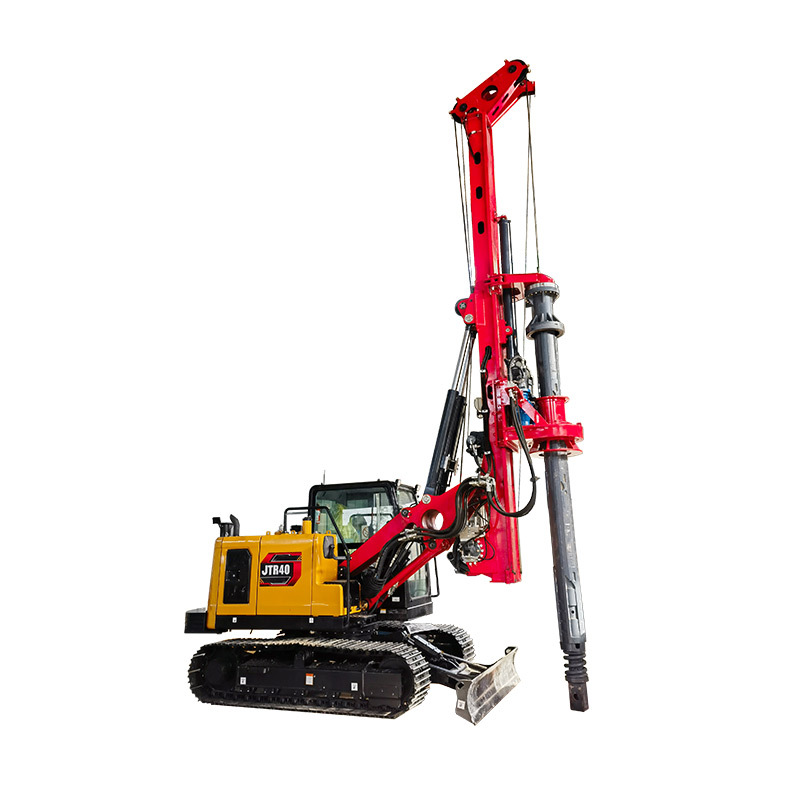
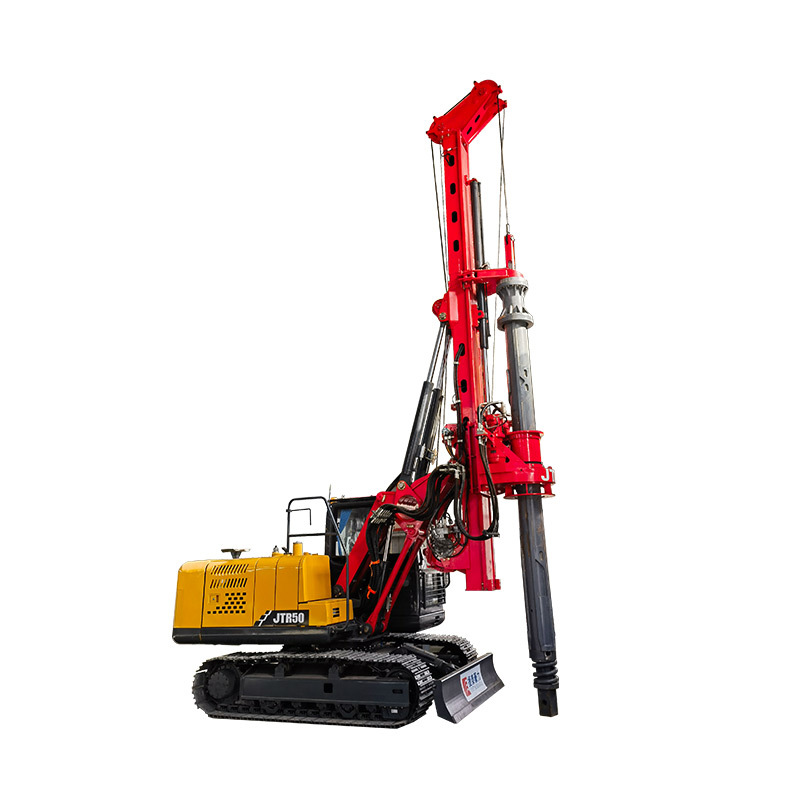
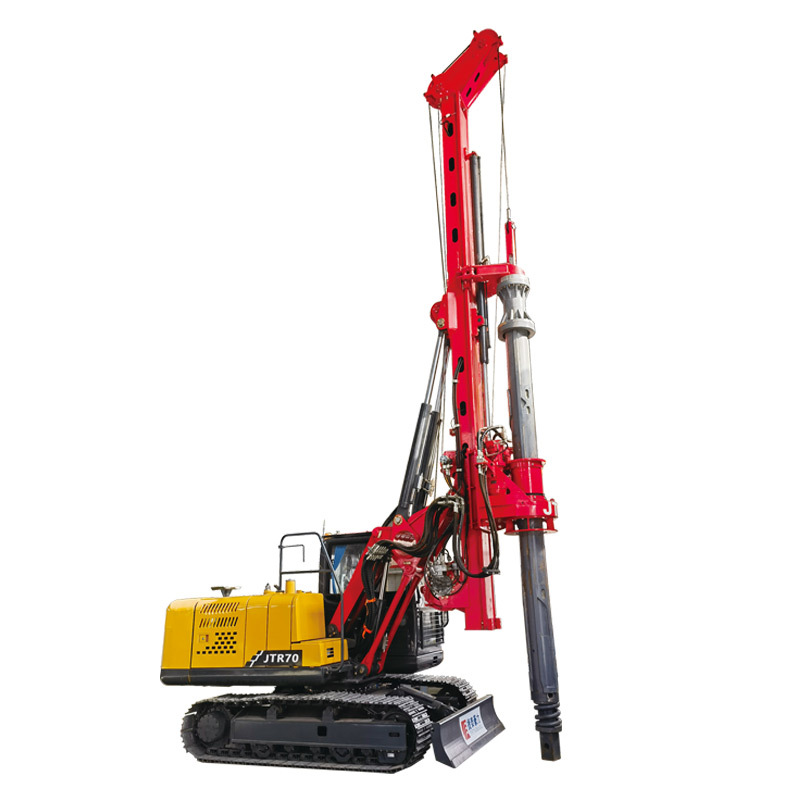
Second hand rotary drilling rig

Business consulting:
Manufacturer: Shandong Jietai Haoli Machinery Equipment Co., Ltd.
Address: Nanchai industrial park, Hualong Town, Shouguang city, Shandong province
Business License
Copyright©2024 Shandong Jietai Haili Machinery Equipment Co., Ltd.