
08
2026
-
05
Exploring the Durability of Interlocking Pressurized Drill Pipes in Engineering
Exploring the Durability of Interlocking Pressurized Drill Pipes in Engineering Table of Contents 1. Introduction to Interlocking Pressurized Drill Pipes 2. Understanding Durability in Engineering Components 3. Key Design Features of Interlocking Pressurized Drill Pipes 4. Material Properties: Enhancing Strength and Longevity 5. Applications of Interlocking Pressurized Drill P

Exploring the Durability of Interlocking Pressurized Drill Pipes in Engineering
Table of Contents
- 1. Introduction to Interlocking Pressurized Drill Pipes
- 2. Understanding Durability in Engineering Components
- 3. Key Design Features of Interlocking Pressurized Drill Pipes
- 4. Material Properties: Enhancing Strength and Longevity
- 5. Applications of Interlocking Pressurized Drill Pipes in Engineering
- 6. Maintenance Practices for Optimal Performance
- 7. Challenges Facing Interlocking Pressurized Drill Pipes
- 8. Future Developments in Drill Pipe Technology
- 9. Frequently Asked Questions (FAQs)
- 10. Conclusion
1. Introduction to Interlocking Pressurized Drill Pipes
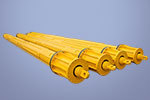
Interlocking pressurized drill pipes play a vital role in the engineering and construction sectors, particularly in drilling and excavation applications. These pipes are engineered to withstand high pressures and provide a robust structure that facilitates efficient drilling operations. The innovative interlocking mechanism enhances the stability and alignment of the pipes, making them indispensable for various projects, from construction to mineral extraction.
2. Understanding Durability in Engineering Components
Durability is a critical factor in engineering, particularly in components exposed to harsh conditions. For interlocking pressurized drill pipes, durability refers to their ability to maintain structural integrity over time while resisting wear, corrosion, and mechanical fatigue. Understanding the factors that contribute to durability can help engineers select the right materials and designs for their projects.
2.1 Importance of Durability in Drilling Operations
In drilling operations, the failure of components can lead to costly delays and safety hazards. Durable drill pipes minimize the risk of breakage and downtime, ensuring that projects remain on schedule and within budget. The longevity of these pipes directly impacts the efficiency of the overall operation, making durability a top priority for engineers and contractors.
3. Key Design Features of Interlocking Pressurized Drill Pipes
The design of interlocking pressurized drill pipes incorporates several features that enhance their durability and performance.
3.1 Interlocking Mechanism
The interlocking mechanism is the most notable feature, allowing pipes to connect seamlessly without compromising strength. This design prevents misalignment and enhances stability during drilling operations.
3.2 Threaded Connections
Threaded connections between pipes provide additional strength and ensure a secure fit. This feature is crucial for maintaining pressure and preventing fluid leaks during operations.
3.3 Reinforced Walls
Reinforced walls contribute to the pipes' ability to withstand high pressures and resist deformation. The added thickness enhances overall durability and reduces the risk of failure in extreme conditions.
4. Material Properties: Enhancing Strength and Longevity
The choice of materials used in the manufacturing of interlocking pressurized drill pipes significantly influences their durability.
4.1 High-Strength Steel
High-strength steel is commonly used for its exceptional tensile strength and resistance to impact. This material ensures that the drill pipes can endure the stresses associated with drilling and excavation.
4.2 Corrosion-Resistant Coatings
Applying corrosion-resistant coatings to the pipes enhances their longevity, especially in environments where exposure to moisture and chemicals is inevitable. These coatings help protect the structural integrity of the pipes over time.
4.3 Lightweight Alloys
Using lightweight alloys can improve the handling and transportability of drill pipes without compromising strength. These materials reduce the overall weight, making it easier to maneuver during installations.
5. Applications of Interlocking Pressurized Drill Pipes in Engineering
Interlocking pressurized drill pipes have a wide array of applications across various sectors.
5.1 Construction Projects
In construction, these pipes are essential for laying foundations, creating tunnels, and executing deep drilling operations. Their durability ensures that structural integrity is maintained throughout the project's lifecycle.
5.2 Mineral Exploration
In mineral exploration, interlocking drill pipes are used to access underground resources efficiently. Their ability to withstand harsh conditions makes them suitable for various geological environments.
5.3 Geotechnical Engineering
Geotechnical engineers rely on these pipes for subsurface investigations to study soil and rock characteristics. Their precise design allows for accurate data collection, vital for engineering decisions.
6. Maintenance Practices for Optimal Performance
To maximize the lifespan of interlocking pressurized drill pipes, proper maintenance practices are crucial.
6.1 Regular Inspections
Conducting regular inspections of drill pipes can help identify signs of wear or damage early on. These inspections should focus on the condition of the interlocking mechanisms, threaded connections, and overall structural integrity.
6.2 Proper Storage Techniques
Storing drill pipes in a controlled environment protects them from environmental elements that could lead to corrosion or degradation. Proper storage techniques include keeping pipes off the ground and covered.
6.3 Cleaning Practices
Implementing cleaning practices can prevent the buildup of debris and contaminants that may compromise the pipes' performance. Regular cleaning helps maintain the efficiency of the interlocking mechanism.
7. Challenges Facing Interlocking Pressurized Drill Pipes
Despite their advantages, interlocking pressurized drill pipes face several challenges that can affect their performance.
7.1 Material Fatigue
Over time, materials can experience fatigue due to repetitive stress and pressure. Engineers must consider the fatigue life of materials when designing drill pipes to ensure longevity.
7.2 Environmental Influences
Environmental factors, such as temperature fluctuations and exposure to corrosive substances, can impact the durability of drill pipes. Selecting appropriate materials and coatings can mitigate these effects.
7.3 Installation and Handling Issues
Improper installation and handling can lead to damage, affecting the pipes' performance. Providing proper training for personnel can reduce the risk of mishandling during operations.
8. Future Developments in Drill Pipe Technology
The future of interlocking pressurized drill pipes is promising, with ongoing advancements in technology and materials.
8.1 Smart Sensors
Integrating smart sensors into drill pipes can provide real-time data on performance and condition. This technology can help engineers monitor durability and make informed decisions during operations.
8.2 Advanced Materials
Research into advanced materials, such as composites and nanomaterials, may lead to even more durable and lightweight drill pipes in the future. These innovations could revolutionize drilling operations.
8.3 Sustainable Practices
The industry is moving towards more sustainable practices, including recycling and reusing materials. Developing eco-friendly drill pipes will contribute to a more sustainable future in engineering.
9. Frequently Asked Questions (FAQs)
FAQ 1: What are interlocking pressurized drill pipes?
Interlocking pressurized drill pipes are specialized components designed for drilling operations, featuring a unique interlocking mechanism that provides stability and strength under high pressure.
FAQ 2: How do I maintain interlocking drill pipes?
Regular inspections, proper storage techniques, and effective cleaning practices are essential for maintaining the performance and longevity of interlocking drill pipes.
FAQ 3: What materials are used in manufacturing drill pipes?
Common materials include high-strength steel, corrosion-resistant coatings, and lightweight alloys, each contributing to the pipes' overall durability and performance.
FAQ 4: What applications do interlocking pressurized drill pipes serve?
These drill pipes are used in various applications, including construction projects, mineral exploration, and geotechnical engineering.
FAQ 5: What challenges do interlocking drill pipes face?
Challenges include material fatigue, environmental influences, and installation and handling issues, all of which can impact performance.
10. Conclusion
In summary, interlocking pressurized drill pipes are pivotal in modern engineering and construction projects. Their durability, enhanced by superior design and material selection, positions them as reliable components for various applications. By understanding their features, maintenance practices, and the challenges they face, engineers can ensure optimal performance and longevity. As technology continues to evolve, the future for interlocking drill pipes looks bright, with advancements promising to further enhance their durability and efficiency.
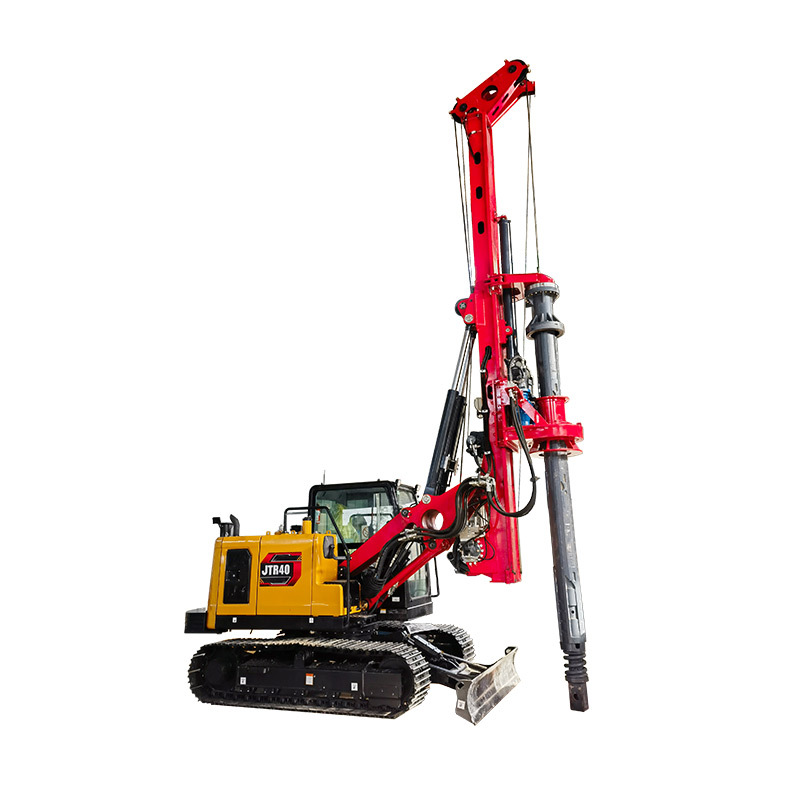
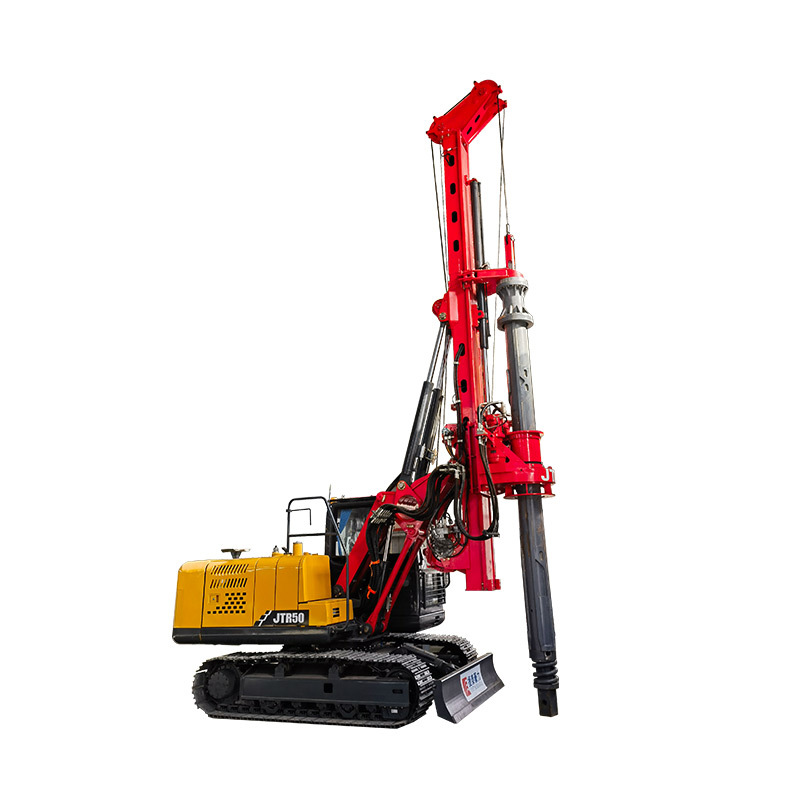
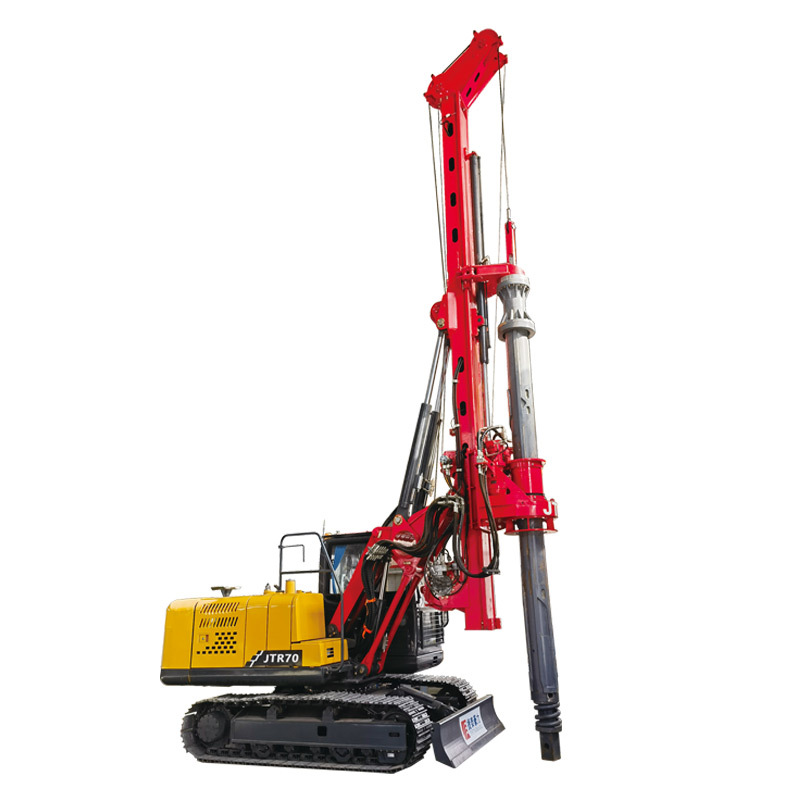
Interlocking pressurized drill pipe

Business consulting:
Manufacturer: Shandong Jietai Haoli Machinery Equipment Co., Ltd.
Address: Nanchai industrial park, Hualong Town, Shouguang city, Shandong province
Business License
Copyright©2024 Shandong Jietai Haili Machinery Equipment Co., Ltd.