
16
2026
-
07
Best Practices for Using Friction Type Drill Pipe Effectively: A Comprehensive Guide
Best Practices for Using Friction Type Drill Pipe Effectively Table of Contents 1. Introduction to Friction Type Drill Pipes 2. Understanding Friction Type Drill Pipes 3. Key Benefits of Friction Type Drill Pipes 4. Best Practices for Using Friction Type Drill Pipes 5. Maintenance and Care for Longevity 6. Essential Safety Measures 7. Troubleshooting Common Issues

Best Practices for Using Friction Type Drill Pipe Effectively
Table of Contents
- 1. Introduction to Friction Type Drill Pipes
- 2. Understanding Friction Type Drill Pipes
- 3. Key Benefits of Friction Type Drill Pipes
- 4. Best Practices for Using Friction Type Drill Pipes
- 5. Maintenance and Care for Longevity
- 6. Essential Safety Measures
- 7. Troubleshooting Common Issues
- 8. Conclusion
- 9. FAQs
1. Introduction to Friction Type Drill Pipes
Friction type drill pipes are essential components in the drilling industry, particularly in applications where efficient energy transfer is critical. They play a pivotal role in the performance and effectiveness of drilling operations. Understanding how to use these drill pipes effectively can significantly enhance operational efficiency and reduce costs.
2. Understanding Friction Type Drill Pipes
Friction type drill pipes are designed to provide high levels of torque and load capacity. Unlike traditional drill pipes, which rely on threaded connections, friction type drill pipes use frictional forces to create a secure connection. This design allows for greater stability during drilling operations, making them ideal for deep well drilling.
2.1 Components of Friction Type Drill Pipes
Friction type drill pipes consist of several key components:
- **Pipe Body:** The main structure that houses the internal mechanisms.
- **Friction Joints:** These are specialized connections that enhance the durability and performance of the drill pipe.
- **End Fittings:** These fittings allow for the connection of other drilling equipment.
2.2 How Friction Type Drill Pipes Work
The operational efficiency of friction type drill pipes stems from their ability to transfer rotational energy effectively. The friction generated between the pipe's surfaces ensures that the drill bit maintains its position and functionality even under significant pressure.
3. Key Benefits of Friction Type Drill Pipes
Utilizing friction type drill pipes offers numerous advantages, including:
3.1 Increased Torque Capacity
Friction type drill pipes excel in high-torque environments, allowing for more effective drilling performance.
3.2 Enhanced Stability
The frictional design minimizes the risk of disconnections during drilling, providing greater stability and safety.
3.3 Reduced Maintenance Costs
With fewer moving parts compared to traditional drill pipes, friction type drill pipes typically require less maintenance.
4. Best Practices for Using Friction Type Drill Pipes
To maximize the effectiveness of friction type drill pipes, adhering to best practices is crucial.
4.1 Proper Installation Techniques
Ensure that installation procedures are strictly followed. Misalignment during installation can jeopardize the performance of the drill pipe.
4.2 Optimal Operating Conditions
Maintain optimal operating conditions by monitoring temperature and pressure levels to prevent equipment failure.
4.3 Regular Inspections
Frequent inspections are essential to identify wear and tear early, allowing for timely maintenance and repairs.
5. Maintenance and Care for Longevity
Maintaining friction type drill pipes is essential for ensuring their longevity and performance.
5.1 Cleaning Procedures
Regular cleaning of drill pipes helps prevent corrosion and buildup of debris, enhancing performance.
5.2 Lubrication Practices
Using high-quality lubricants reduces friction and wear, thereby prolonging the life of the drill pipes.
5.3 Storing Drill Pipes Correctly
Proper storage prevents damage and corrosion. Store pipes in a dry environment and avoid stacking them in ways that could cause deformation.
6. Essential Safety Measures
Safety should always be a top priority when working with friction type drill pipes.
6.1 Personal Protective Equipment (PPE)
Wear appropriate PPE, including gloves, helmets, and safety glasses, to protect against accidents.
6.2 Training and Awareness
Ensure all personnel are adequately trained in the operation of friction type drill pipes and understand emergency procedures.
6.3 Regular Safety Audits
Conduct safety audits to identify potential hazards and improve safety protocols.
7. Troubleshooting Common Issues
Understanding common issues associated with friction type drill pipes and how to address them is essential for maintaining operational efficiency.
7.1 Identifying Performance Issues
If the drill pipe is not performing as expected, check for signs of wear, damage, or improper installation.
7.2 Addressing Friction Problems
Excessive friction can lead to overheating. Ensure that lubrication is adequate and that the drill pipe is not overloaded.
7.3 Resolving Connection Failures
If disconnections occur, inspect the friction joints for damage and ensure proper tightening techniques were followed.
8. Conclusion
Utilizing friction type drill pipes effectively can enhance the performance and efficiency of drilling operations. By adhering to best practices in installation, operation, maintenance, and safety, professionals in the construction and engineering machinery industry can maximize the potential of these essential tools. With the right knowledge and practices, organizations can achieve significant cost savings and operational advantages in their drilling projects.
9. FAQs
9.1 What are friction type drill pipes?
Friction type drill pipes are specialized drilling components designed to provide high torque and stability during drilling operations.
9.2 How can I maintain my friction type drill pipes?
Regular cleaning, lubrication, and proper storage are key to maintaining friction type drill pipes.
9.3 What safety measures should I take when using drill pipes?
Always wear appropriate PPE, ensure personnel are trained, and conduct regular safety audits.
9.4 How do I troubleshoot performance issues with drill pipes?
Inspect for wear, ensure proper lubrication, and check for installation errors to address performance issues.
9.5 What are the benefits of using friction type drill pipes over traditional drill pipes?
Friction type drill pipes offer increased torque capacity, enhanced stability, and reduced maintenance costs compared to traditional options.
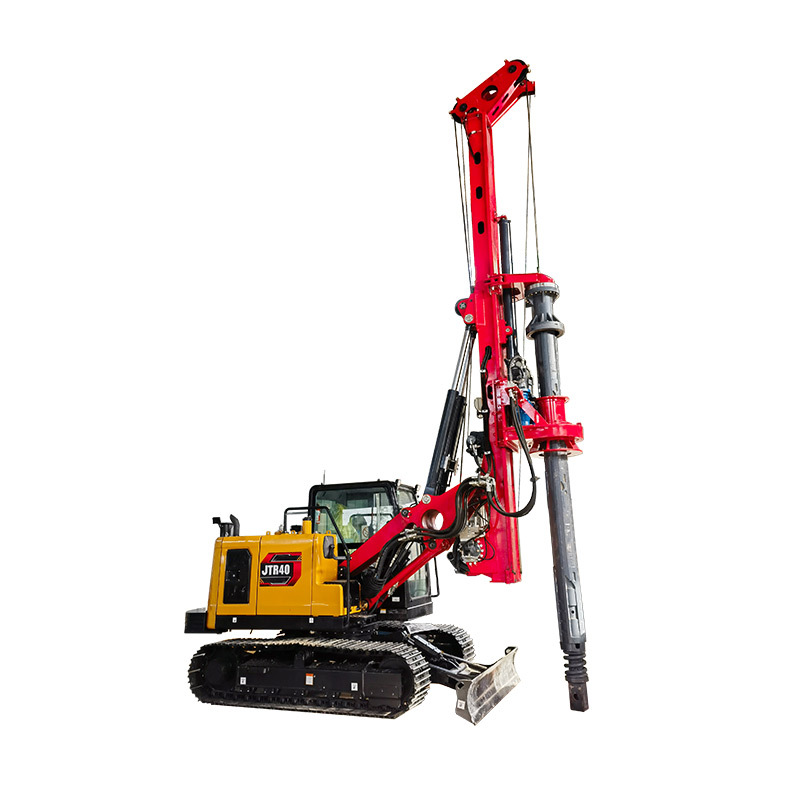
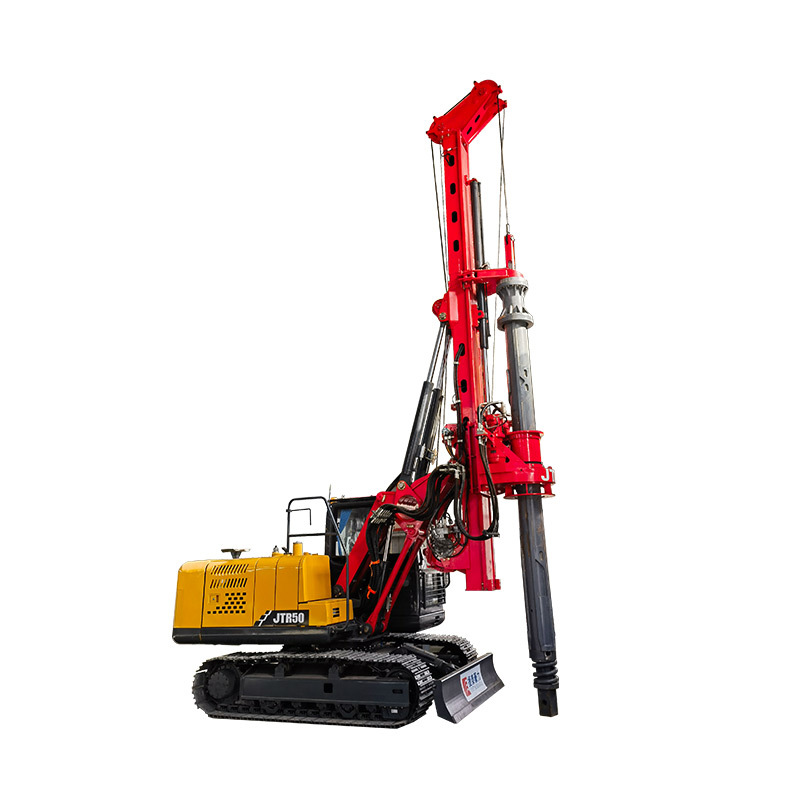
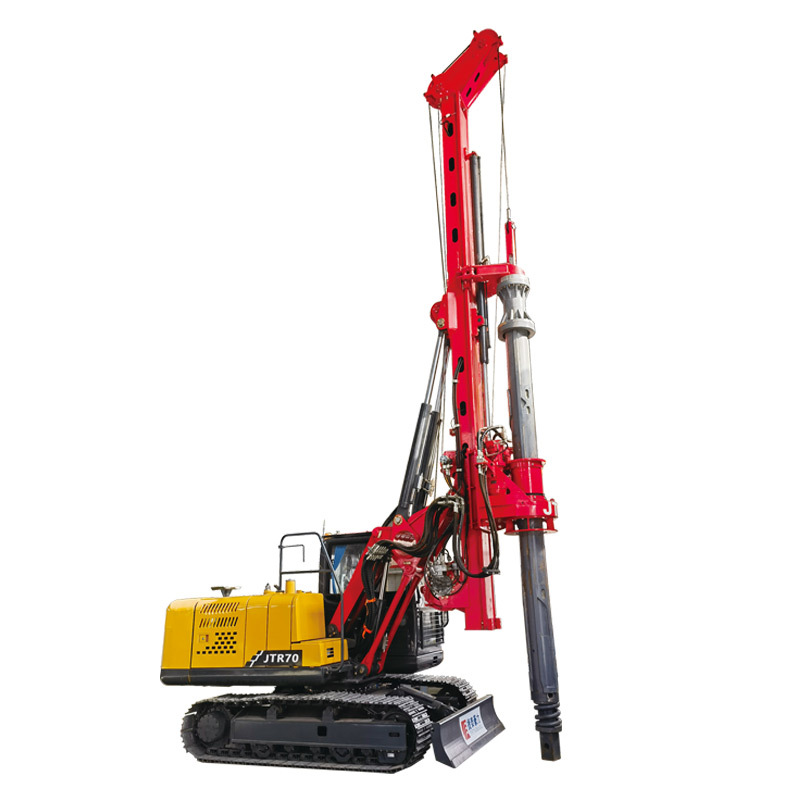
Friction type drill pipe

Business consulting:
Manufacturer: Shandong Jietai Haoli Machinery Equipment Co., Ltd.
Address: Nanchai industrial park, Hualong Town, Shouguang city, Shandong province
Business License
Copyright©2024 Shandong Jietai Haili Machinery Equipment Co., Ltd.