
18
2026
-
07
How Hydraulic System Parts Enhance Drilling Rig Performance
How Hydraulic System Parts Enhance Drilling Rig Performance Table of Contents 1. Introduction to Hydraulic Systems in Drilling Rigs 2. Key Components of Hydraulic Systems - 2.1 Hydraulic Pumps: The Heart of the System - 2.2 Hydraulic Cylinders: Powering Movement - 2.3 Hydraulic Valves: Controlling Flow - 2.4 Hydraulic Hoses: Ensuring Integrity 3. How Hydraulic System Pa

How Hydraulic System Parts Enhance Drilling Rig Performance
Table of Contents
1. Introduction to Hydraulic Systems in Drilling Rigs
2. Key Components of Hydraulic Systems
- 2.1 Hydraulic Pumps: The Heart of the System
- 2.2 Hydraulic Cylinders: Powering Movement
- 2.3 Hydraulic Valves: Controlling Flow
- 2.4 Hydraulic Hoses: Ensuring Integrity
3. How Hydraulic System Parts Enhance Performance
- 3.1 Boosting Operational Efficiency
- 3.2 Enhancing Safety Protocols
- 3.3 Increasing Drilling Speed
4. Maintenance Best Practices for Hydraulic Systems
5. The Future of Hydraulic Systems in Drilling
6. Frequently Asked Questions
7. Conclusion
Introduction to Hydraulic Systems in Drilling Rigs
Hydraulic systems play an indispensable role in the operation of drilling rigs, acting as the backbone that supports their functionality. With the drilling industry evolving rapidly, understanding how hydraulic system parts enhance drilling rig performance is crucial. These systems convert fluid power into mechanical power, allowing drilling rigs to perform intricate tasks with precision and reliability.
Hydraulic systems ensure that drilling rigs can efficiently manage the heavy loads and dynamic movements required during drilling operations. This article delves into the critical components of hydraulic systems, their specific functions, and how they collectively enhance drilling rig performance.
Key Components of Hydraulic Systems
A well-functioning hydraulic system is composed of various interconnected parts, each serving a unique purpose. Here we examine these components and their vital roles.
Hydraulic Pumps: The Heart of the System
Hydraulic pumps are essential for converting mechanical energy into hydraulic energy. They generate the flow necessary to transmit fluid throughout the system, facilitating operation. There are various types of hydraulic pumps, including gear pumps, vane pumps, and piston pumps, each offering different advantages depending on the application. The efficiency and reliability of these pumps directly influence the performance of drilling rigs. High-quality pumps ensure consistent power delivery, reducing downtime and enhancing operational efficiency.
Hydraulic Cylinders: Powering Movement
Hydraulic cylinders are responsible for converting hydraulic energy back into mechanical energy. They exert force on the rig’s components, enabling movement in various directions. The strength and responsiveness of hydraulic cylinders enhance the precision of drilling operations. High-performance cylinders can withstand significant pressures, making them suitable for challenging drilling environments.
Hydraulic Valves: Controlling Flow
Valves play a crucial role in controlling the flow and pressure within the hydraulic system. They regulate the direction of fluid movement and ensure that the hydraulic fluid flows to the correct parts of the machine at the appropriate pressure. This control is vital for maintaining system stability and efficiency, directly impacting the rig's performance during drilling operations.
Hydraulic Hoses: Ensuring Integrity
Hydraulic hoses are the conduits through which hydraulic fluid travels. Their durability and flexibility are essential for maintaining system integrity. High-quality hoses withstand extreme conditions and pressures, reducing the risk of leaks that can lead to system failures. Regular inspection and timely replacement of hydraulic hoses can significantly enhance the overall performance of drilling rigs.
How Hydraulic System Parts Enhance Performance
The interaction of hydraulic system components leads to improved drilling rig performance in various ways. Understanding these enhancements can help operators maximize their drilling operations.
Boosting Operational Efficiency
Efficiency in drilling operations is paramount. Hydraulic systems enable quick adjustments and movements, reducing the time spent on each drilling cycle. The precise control offered by hydraulic components minimizes energy waste and optimizes fuel consumption. This efficiency not only leads to cost savings but also increases the overall productivity of drilling operations.
Enhancing Safety Protocols
Safety is a primary concern in the drilling industry. Hydraulic systems, when correctly maintained, enhance safety by providing reliable and predictable movements. Features like pressure relief valves prevent system overloads, while well-designed hydraulic circuits ensure that control is maintained even in emergency situations. Enhanced safety measures reduce the risk of accidents, protecting both personnel and equipment.
Increasing Drilling Speed
Speed is a critical factor in drilling operations. Hydraulic systems allow for rapid engagement and disengagement of drilling tools, significantly reducing cycle times. The ability to quickly change drilling parameters enhances flexibility, allowing operators to adapt to varying geological conditions without significant delays. This agility translates to faster project completion times and increased profitability.
Maintenance Best Practices for Hydraulic Systems
To keep hydraulic systems operating at peak performance, regular maintenance is essential. Adhering to best practices can prevent costly breakdowns and extend the lifespan of the equipment.
1. **Regular Inspection**: Routine checks of hydraulic hoses, pumps, and valves for wear and tear can prevent unexpected failures.
2. **Fluid Quality Management**: Using the correct hydraulic fluid and ensuring its cleanliness is vital for optimal performance.
3. **System Testing**: Periodic pressure testing can identify leaks and ensure that all components are functioning correctly.
4. **Filter Replacement**: Regularly replacing hydraulic filters helps maintain fluid quality and system efficiency.
Implementing these practices not only enhances performance but also contributes to the longevity of hydraulic systems.
The Future of Hydraulic Systems in Drilling
As technology continues to advance, the future of hydraulic systems in the drilling industry looks promising. Innovations such as smart hydraulic systems equipped with sensors and IoT capabilities are on the horizon. These systems will provide real-time monitoring and data analytics, allowing for proactive maintenance and enhanced performance. The integration of artificial intelligence can lead to more efficient drilling operations, further pushing the boundaries of what is possible in the drilling industry.
Frequently Asked Questions
1. What are the main components of a hydraulic system in drilling rigs?
The main components include hydraulic pumps, cylinders, valves, and hoses, each playing a critical role in the system's performance.
2. How often should hydraulic systems be maintained?
Regular maintenance should be conducted, with detailed inspections at least once every six months or as the operational conditions demand.
3. Can hydraulic system failures be prevented?
Yes, by following maintenance best practices and conducting regular inspections, many failures can be anticipated and prevented.
4. What role does hydraulic fluid play?
Hydraulic fluid transmits power within the system, and its quality directly affects efficiency and performance.
5. How do hydraulic systems contribute to drilling rig safety?
Hydraulic systems enhance safety by providing reliable control of movements and incorporating safety features to prevent system overloads.
Conclusion
The performance of drilling rigs heavily relies on the efficiency and reliability of hydraulic system components. From pumps and cylinders to valves and hoses, each part works in harmony to ensure optimal operation. By understanding these components and their roles, operators can enhance drilling efficiency, improve safety, and streamline processes. Regular maintenance and embracing future technological advancements will further solidify the critical role of hydraulic systems in the drilling industry. As we move forward, continued innovation will undoubtedly enhance the capabilities of drilling rigs, making them more efficient and safe for future operations.
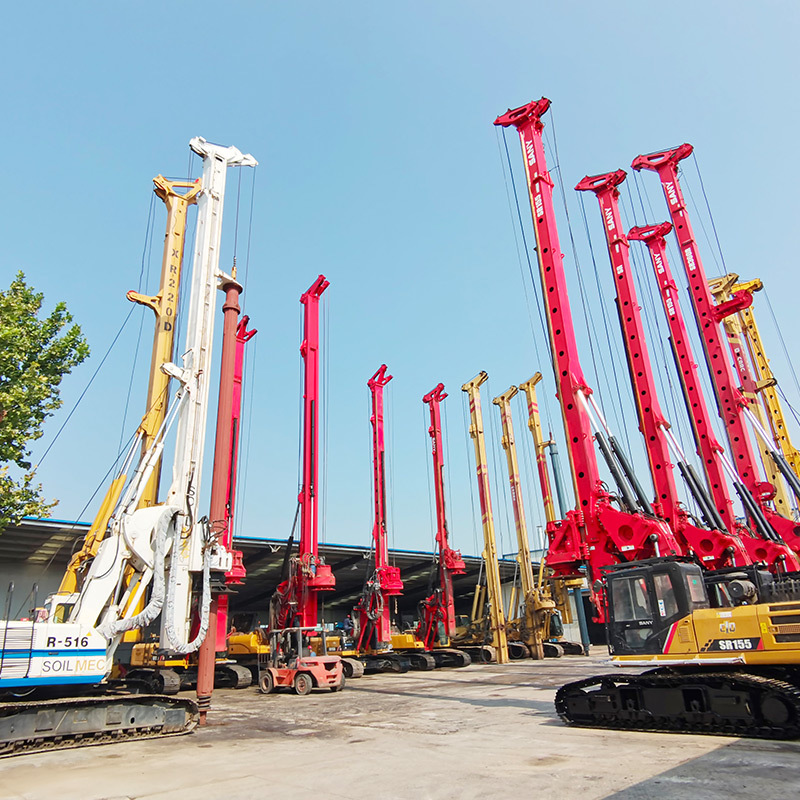
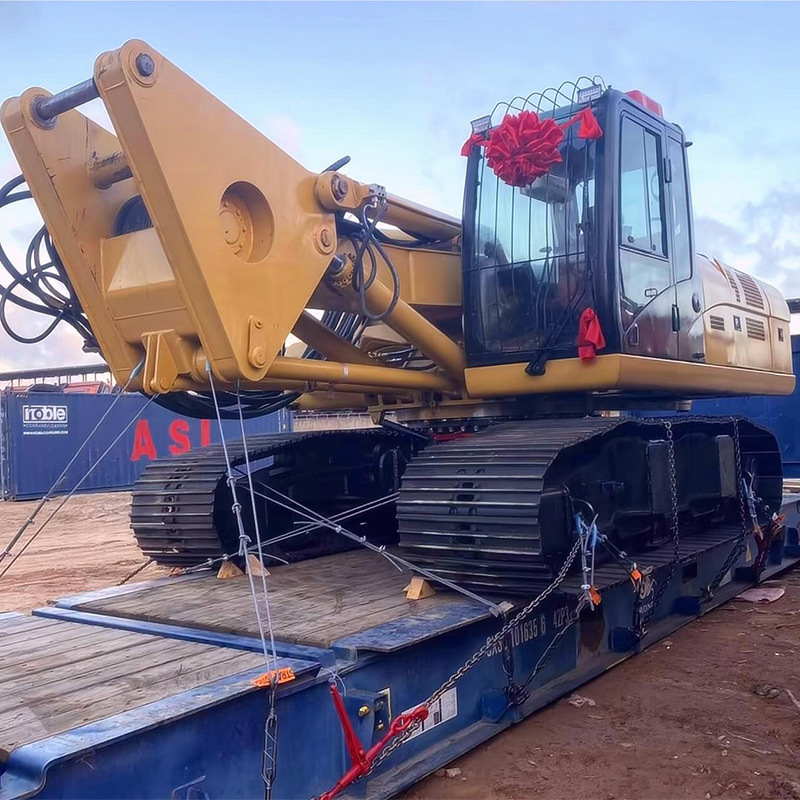
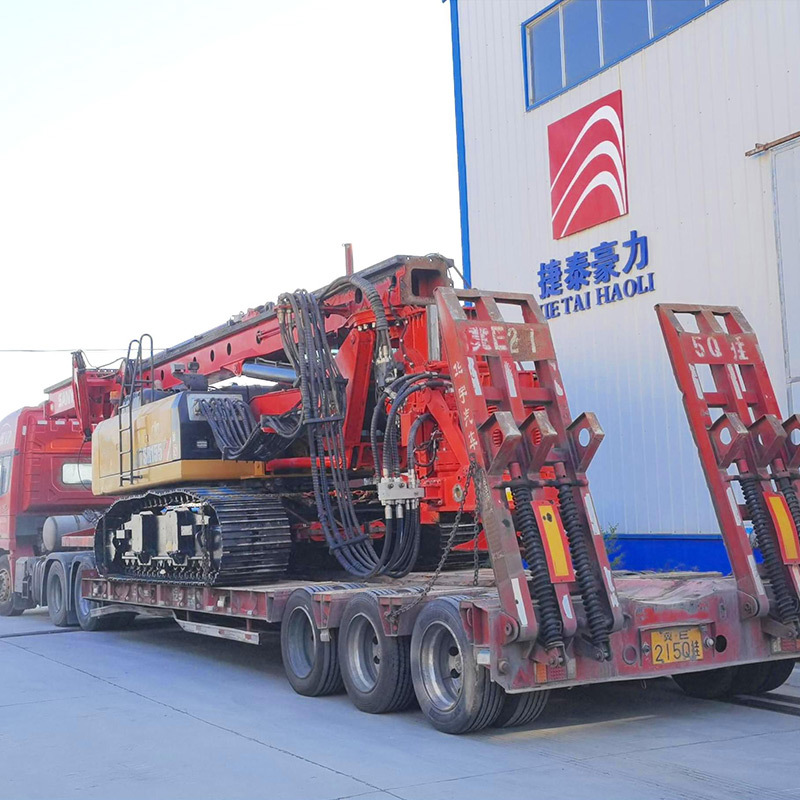
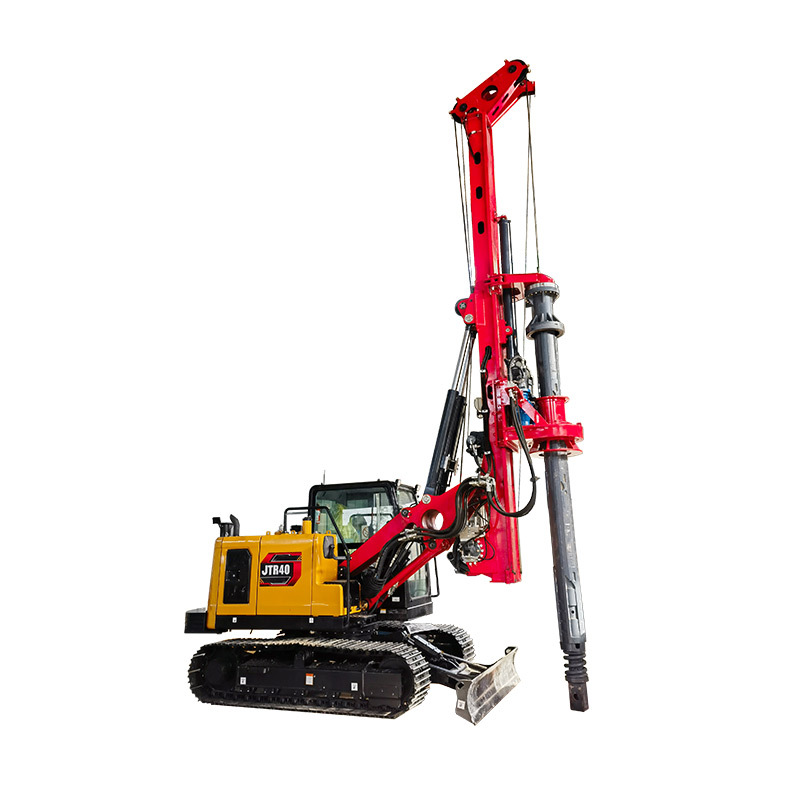
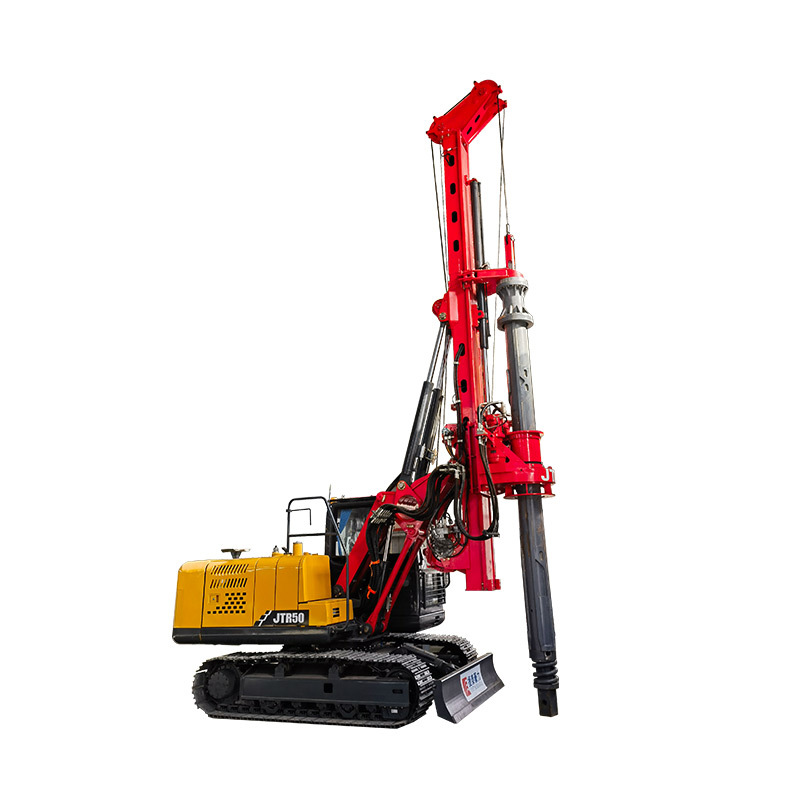
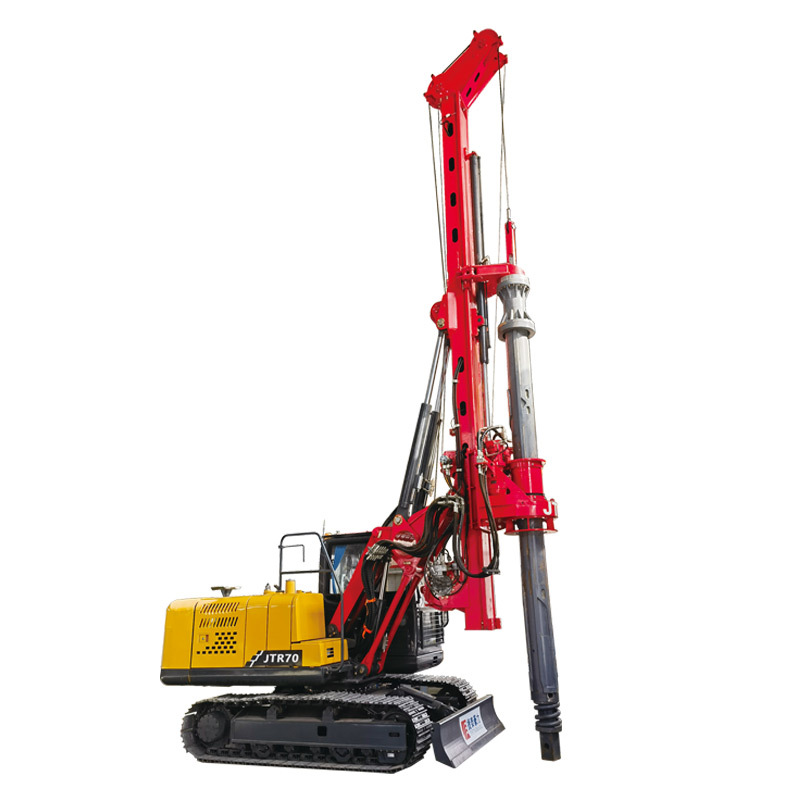
drilling rig hydraulic system parts

Business consulting:
Manufacturer: Shandong Jietai Haoli Machinery Equipment Co., Ltd.
Address: Nanchai industrial park, Hualong Town, Shouguang city, Shandong province
Business License
Copyright©2024 Shandong Jietai Haili Machinery Equipment Co., Ltd.