
21
2026
-
07
The Essential Guide to Friction Type Drill Pipes in Engineering and Construction
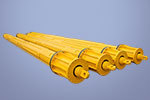
Friction type drill pipes play a pivotal role in the drilling and construction industries, contributing to a variety of applications ranging from oil and gas exploration to civil engineering projects. These specialized drill pipes are designed to facilitate efficient drilling by utilizing friction to enhance the transmission of torque and control the drill bit's movement. Understanding the mechani

Friction type drill pipes play a pivotal role in the drilling and construction industries, contributing to a variety of applications ranging from oil and gas exploration to civil engineering projects. These specialized drill pipes are designed to facilitate efficient drilling by utilizing friction to enhance the transmission of torque and control the drill bit's movement. Understanding the mechanics and benefits of friction type drill pipes can empower professionals to make informed decisions regarding their use in various engineering applications.
At the core of the friction type drill pipe's functionality is its unique design, which allows for a secure connection with the drill bit while minimizing slippage. This is achieved through friction-enhancing materials and surface treatments that provide a superior grip compared to traditional drill pipes. The significance of this design cannot be overstated, as it directly impacts drilling efficiency, accuracy, and the overall success of a project.
One of the primary advantages of friction type drill pipes is their ability to handle high torque loads. In demanding environments, such as deep well drilling or difficult geological formations, maintaining control over the drill bit is crucial. The enhanced friction properties of these pipes enable them to withstand greater forces and provide better stability, reducing the risk of equipment failure and improving safety on the job site.
Moreover, friction type drill pipes are often favored for their adaptability in various drilling conditions. Whether dealing with soft soil or hard rock, these pipes can be adjusted to optimize performance, allowing for a more versatile and efficient drilling process. This adaptability makes them a preferred choice for engineers and contractors seeking to maximize productivity while minimizing downtime and operational costs.
From a maintenance perspective, friction type drill pipes are designed with longevity in mind. Their robust construction and resistance to wear and tear ensure that they can endure the rigors of frequent use, providing a reliable option for long-term projects. Proper maintenance practices, such as regular inspections and timely repairs, can further extend the lifespan of these components, making them a cost-effective investment for businesses involved in engineering and construction.
In conclusion, friction type drill pipes are an essential component in the arsenal of engineering and construction machinery. Their unique design and enhanced performance capabilities make them a valuable asset for professionals seeking efficiency and reliability in their drilling operations. By understanding the advantages and applications of friction type drill pipes, engineers and contractors can optimize their use and contribute to the successful completion of their projects.
At the core of the friction type drill pipe's functionality is its unique design, which allows for a secure connection with the drill bit while minimizing slippage. This is achieved through friction-enhancing materials and surface treatments that provide a superior grip compared to traditional drill pipes. The significance of this design cannot be overstated, as it directly impacts drilling efficiency, accuracy, and the overall success of a project.
One of the primary advantages of friction type drill pipes is their ability to handle high torque loads. In demanding environments, such as deep well drilling or difficult geological formations, maintaining control over the drill bit is crucial. The enhanced friction properties of these pipes enable them to withstand greater forces and provide better stability, reducing the risk of equipment failure and improving safety on the job site.
Moreover, friction type drill pipes are often favored for their adaptability in various drilling conditions. Whether dealing with soft soil or hard rock, these pipes can be adjusted to optimize performance, allowing for a more versatile and efficient drilling process. This adaptability makes them a preferred choice for engineers and contractors seeking to maximize productivity while minimizing downtime and operational costs.
From a maintenance perspective, friction type drill pipes are designed with longevity in mind. Their robust construction and resistance to wear and tear ensure that they can endure the rigors of frequent use, providing a reliable option for long-term projects. Proper maintenance practices, such as regular inspections and timely repairs, can further extend the lifespan of these components, making them a cost-effective investment for businesses involved in engineering and construction.
In conclusion, friction type drill pipes are an essential component in the arsenal of engineering and construction machinery. Their unique design and enhanced performance capabilities make them a valuable asset for professionals seeking efficiency and reliability in their drilling operations. By understanding the advantages and applications of friction type drill pipes, engineers and contractors can optimize their use and contribute to the successful completion of their projects.
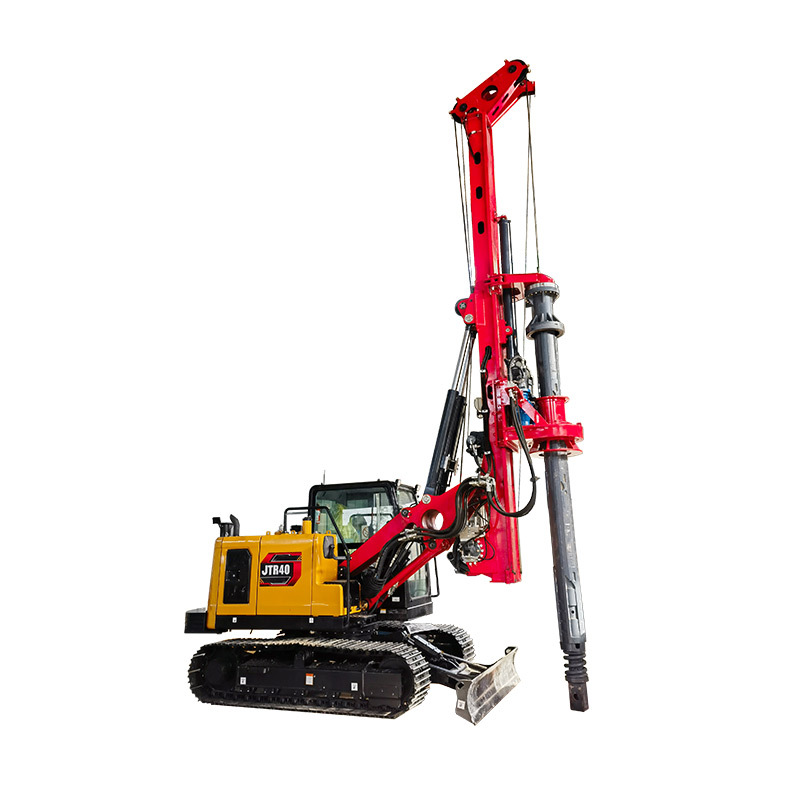
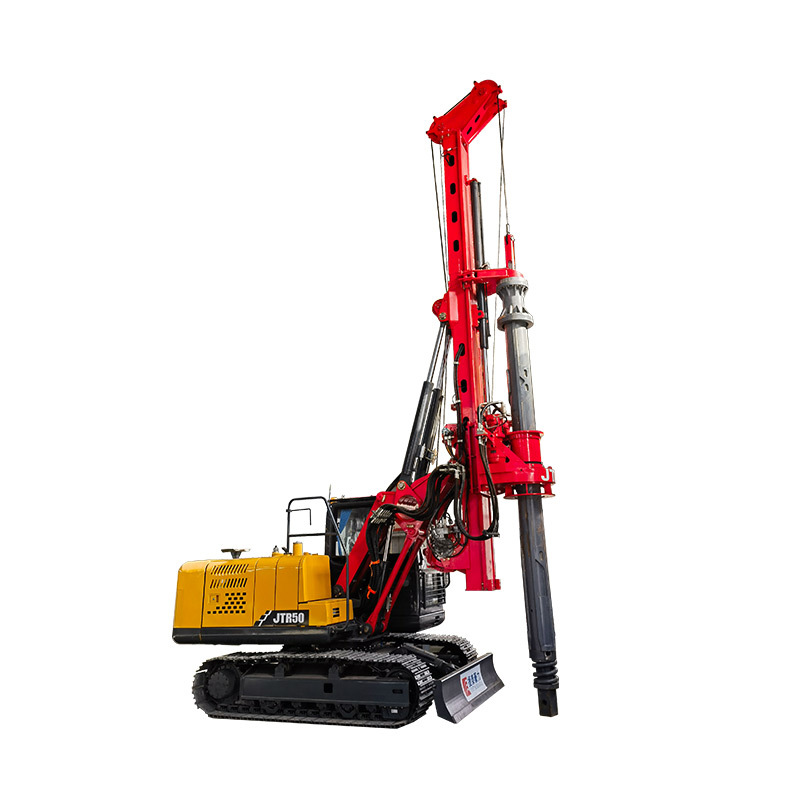
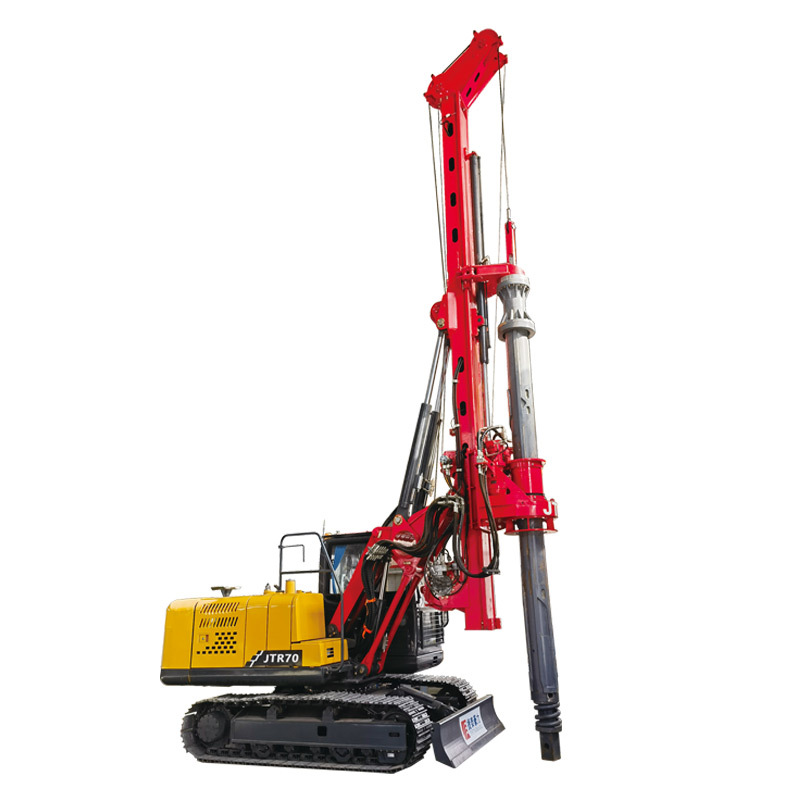
Friction type drill pipe

Business consulting:
Manufacturer: Shandong Jietai Haoli Machinery Equipment Co., Ltd.
Address: Nanchai industrial park, Hualong Town, Shouguang city, Shandong province
Business License
Copyright©2024 Shandong Jietai Haili Machinery Equipment Co., Ltd.