
22
2026
-
07
Why Composite Pressurized Drill Pipe is Revolutionizing Engineering Machinery
Why Composite Pressurized Drill Pipe is Revolutionizing Engineering Machinery Table of Contents 1. Introduction to Composite Pressurized Drill Pipes 2. What are Composite Pressurized Drill Pipes? 3. Advantages of Composite Pressurized Drill Pipes 3.1 Lightweight and Durability 3.2 Corrosion Resistance 3.3 Enhanced Performance 4

Why Composite Pressurized Drill Pipe is Revolutionizing Engineering Machinery
Table of Contents
- 1. Introduction to Composite Pressurized Drill Pipes
- 2. What are Composite Pressurized Drill Pipes?
- 3. Advantages of Composite Pressurized Drill Pipes
- 4. Applications of Composite Pressurized Drill Pipes in Engineering Machinery
- 5. The Future of Composite Pressurized Drill Pipes
- 6. Challenges and Considerations in Using Composite Drill Pipes
- 7. Composite Drill Pipes vs. Traditional Materials
- 8. FAQs about Composite Pressurized Drill Pipes
- 9. Conclusion
1. Introduction to Composite Pressurized Drill Pipes
The engineering machinery industry stands on the brink of a significant transformation, propelled by the advancement of materials technology. Among these innovations, the **composite pressurized drill pipe** has emerged as a game-changer. This groundbreaking component is reshaping how drilling operations are conducted across various sectors, including construction, oil and gas exploration, and mining. Understanding the mechanics and benefits of this technology is essential for professionals within the engineering machinery field.
2. What are Composite Pressurized Drill Pipes?
Composite pressurized drill pipes are specialized tubing designed for high-pressure drilling applications. Composed of a blend of advanced materials such as fiberglass, carbon fiber, and resins, these pipes deliver exceptional strength-to-weight ratios and enhanced performance. The unique construction of composite drill pipes allows them to withstand extreme conditions, making them ideal for challenging environments.
2.1 Composition and Structure
The **composition** of composite pressurized drill pipes typically includes a matrix of fibers embedded in a resin. This combination results in a lightweight yet incredibly strong pipe that can endure high pressures and resist deformation. The layered structure also contributes to their flexibility, allowing them to handle bending and twisting without compromising integrity.
3. Advantages of Composite Pressurized Drill Pipes
The adoption of composite pressurized drill pipes brings several notable advantages to the engineering machinery landscape.
3.1 Lightweight and Durability
One of the most significant benefits of composite drill pipes is their **lightweight nature**. Traditional metal pipes can be cumbersome and challenging to handle, leading to increased labor costs and logistical challenges. In contrast, composite pipes require less force to transport and install, reducing operational downtime. Additionally, their durability ensures a longer lifespan, minimizing the need for frequent replacements.
3.2 Corrosion Resistance
Corrosion is a prevalent issue in drilling operations, particularly when exposed to harsh chemical environments. Composite pressurized drill pipes are inherently resistant to corrosion, which is a critical factor in extending their operational lifespan. This property not only reduces maintenance costs but also enhances safety by minimizing the risk of pipe failure.
3.3 Enhanced Performance
The **performance** of composite drill pipes is markedly superior to traditional materials. They can handle higher pressures and temperatures, leading to more efficient drilling operations. Moreover, reduced friction during drilling translates into quicker drilling speeds and less energy consumption, which are vital for maintaining project timelines and budgets.
4. Applications of Composite Pressurized Drill Pipes in Engineering Machinery
Composite pressurized drill pipes are versatile components with a wide range of applications in engineering machinery.
4.1 Oil and Gas Exploration
In the oil and gas sector, these pipes play a crucial role in drilling operations, enabling deeper and more complex drilling. Their lightweight nature simplifies logistics, allowing for faster deployment and reduced operational costs.
4.2 Mining Operations
Mining companies benefit from the increased efficiency and safety that composite drill pipes provide. Their ability to withstand harsh conditions makes them ideal for deep mining operations where traditional materials may fail.
4.3 Construction and Civil Engineering
In construction, composite pressurized drill pipes assist in foundation drilling and the installation of underground utilities. Their durability and corrosion resistance ensure that they can withstand long-term exposure to the elements and heavy loads.
5. The Future of Composite Pressurized Drill Pipes
Looking ahead, the future of composite pressurized drill pipes appears bright. As engineering machinery continues to evolve, so too will the materials used in their construction. Ongoing research and development are likely to yield even more advanced composites that offer greater strength, reduced weight, and enhanced performance capabilities.
6. Challenges and Considerations in Using Composite Drill Pipes
Despite their numerous advantages, the adoption of composite pressurized drill pipes is not without challenges.
6.1 Initial Costs
The initial investment in composite technology can be higher than traditional materials, which may deter some companies from making the switch. However, the long-term savings in maintenance and operational efficiency often justify the upfront costs.
6.2 Compatibility with Existing Systems
Integrating composite drill pipes into existing drilling systems may require adjustments or modifications. Companies need to evaluate their current equipment and determine the necessary changes for compatibility.
7. Composite Drill Pipes vs. Traditional Materials
When comparing composite pressurized drill pipes to traditional materials like steel, several factors come into play.
7.1 Weight
Composite pipes are significantly lighter than steel, which impacts transportation and installation processes positively.
7.2 Strength and Durability
While steel is known for its strength, composite materials often match or exceed this attribute, especially when considering their resistance to corrosion and environmental factors.
7.3 Cost-Effectiveness
While the initial investment in composites may be higher, the long-term savings in maintenance, efficiency, and reduced downtime could make them more cost-effective over time.
8. FAQs about Composite Pressurized Drill Pipes
8.1 What is a composite pressurized drill pipe?
A composite pressurized drill pipe is a lightweight, high-strength tubing made from advanced materials designed for high-pressure drilling applications.
8.2 What are the main advantages of using composite drill pipes?
The main advantages include lightweight construction, corrosion resistance, enhanced performance, and longer lifespan compared to traditional materials.
8.3 Are composite drill pipes suitable for all drilling applications?
While they offer many benefits, the suitability of composite drill pipes depends on the specific drilling environment and operational requirements.
8.4 How do composite drill pipes compare to steel pipes?
Composite drill pipes are lighter and more resistant to corrosion, while steel pipes are traditionally stronger. However, composite pipes often match or exceed steel in strength when considering weight and operational efficiency.
8.5 What is the future of composite drill pipes in engineering machinery?
The future is promising, with ongoing research likely to yield even more advanced materials that can further enhance performance and reduce costs.
9. Conclusion
Composite pressurized drill pipes are revolutionizing the engineering machinery industry by offering significant advantages in terms of weight, durability, and performance. Their innovative design allows for greater efficiency in drilling operations across various applications, from oil and gas exploration to mining and construction. As the industry continues to evolve, the adoption of these advanced materials is expected to grow, paving the way for more sustainable and cost-effective practices in engineering machinery. Embracing the transition to composite technology not only enhances operational capabilities but also positions companies at the forefront of industry advancements.
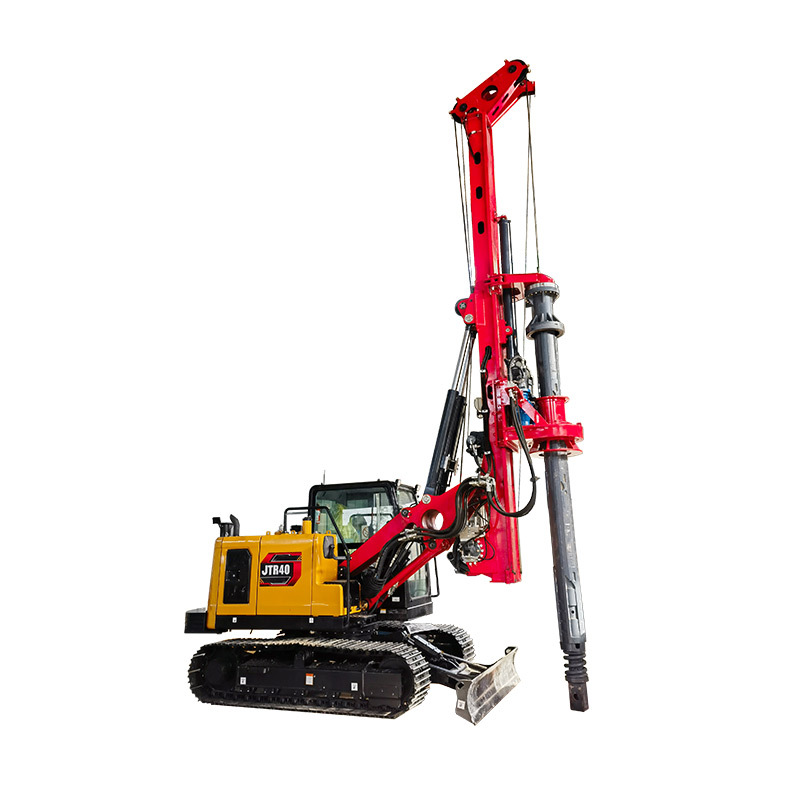
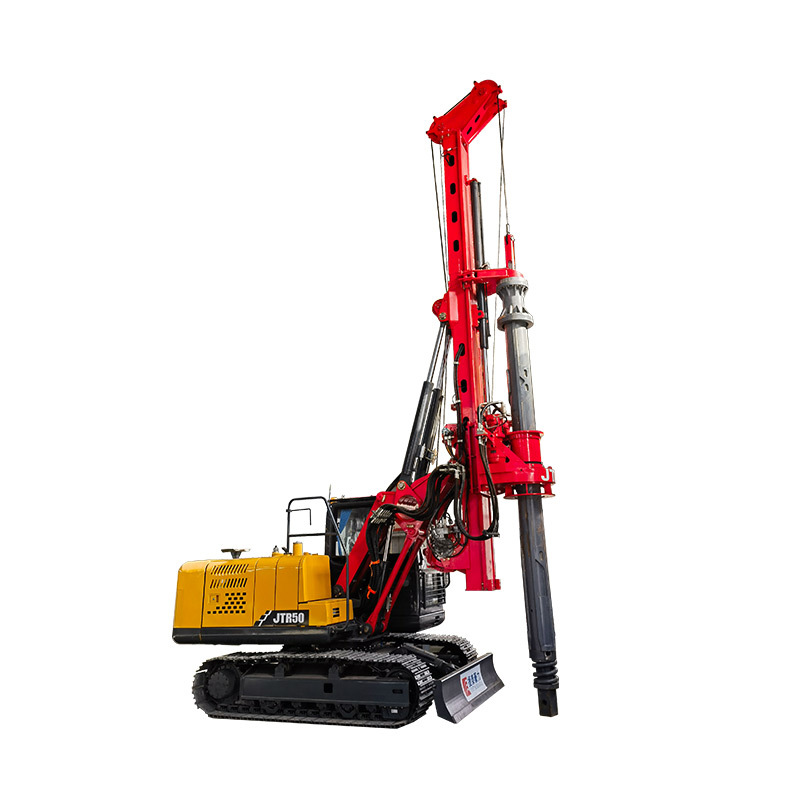
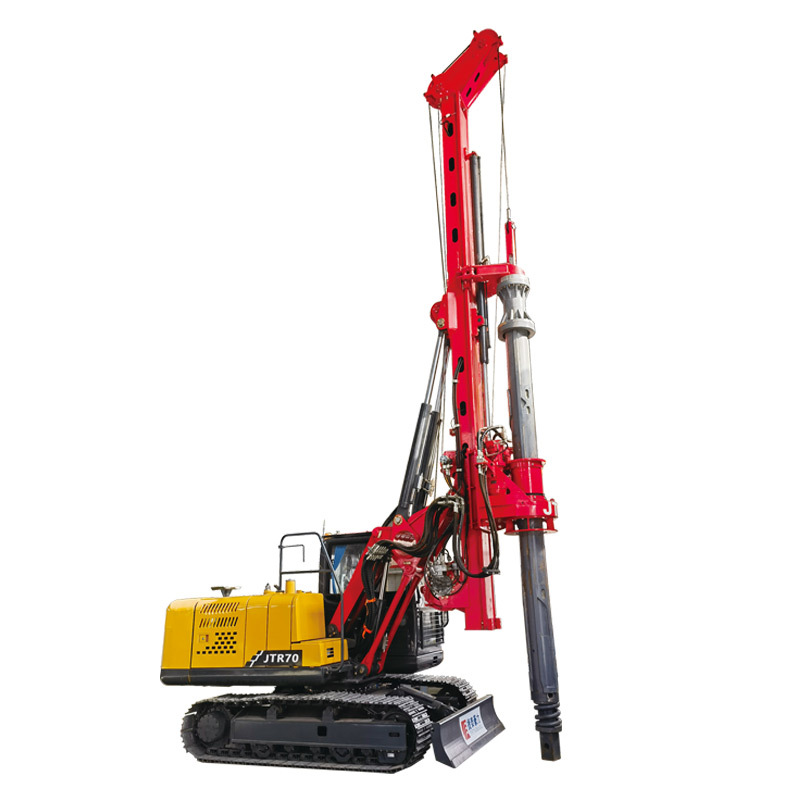
Composite pressurized drill pipe

Business consulting:
Manufacturer: Shandong Jietai Haoli Machinery Equipment Co., Ltd.
Address: Nanchai industrial park, Hualong Town, Shouguang city, Shandong province
Business License
Copyright©2024 Shandong Jietai Haili Machinery Equipment Co., Ltd.