
27
2026
-
07
Innovations in Composite Pressurized Drill Pipe for Enhanced Efficiency in Engineering Machinery
The composite pressurized drill pipe is an innovative solution in the field of engineering machinery, representing a significant leap forward from traditional materials such as steel or aluminum. This type of drill pipe is engineered using advanced composite materials, which combine the benefits of strength, light weight, and corrosion resistance. These attributes make composite drill pipes partic

The composite pressurized drill pipe is an innovative solution in the field of engineering machinery, representing a significant leap forward from traditional materials such as steel or aluminum. This type of drill pipe is engineered using advanced composite materials, which combine the benefits of strength, light weight, and corrosion resistance. These attributes make composite drill pipes particularly suited for demanding applications in the oil, gas, and mining industries.
One of the primary advantages of composite pressurized drill pipes is their ability to withstand high pressures and extreme temperatures while maintaining structural integrity. This is critical for professionals in the engineering and construction sectors who rely on equipment that can perform consistently under challenging conditions. The reduction in weight offered by composite materials also enhances the efficiency of drilling operations, as lighter pipes can be handled more easily, reducing fatigue and improving overall productivity.
Additionally, the corrosion resistance of composite materials extends the lifespan of the drill pipe, leading to lower maintenance costs and fewer equipment failures. This is particularly important in environments where exposure to harsh chemicals or saline conditions can rapidly deteriorate traditional metal drill pipes. By utilizing composite pressurized drill pipes, companies can minimize downtime and maximize operational efficiency, directly contributing to their bottom line.
In recent years, the applications of composite pressurized drill pipes have expanded beyond conventional drilling. These pipes are now being utilized in horizontal directional drilling, geothermal projects, and even in some civil engineering applications where precise drilling is essential. The adaptability of composite materials allows for customization to meet specific project requirements, further enhancing their appeal to engineering professionals.
The future of composite pressurized drill pipe technology looks promising, with ongoing research focused on improving material properties and manufacturing techniques. Innovations such as the incorporation of smart sensors and real-time monitoring systems into drill pipes may soon become commonplace, providing engineers with vital data to optimize drilling operations and enhance safety.
In summary, the composite pressurized drill pipe represents a transformative advancement in engineering machinery, offering substantial benefits in terms of performance, durability, and cost-efficiency. As the industry continues to evolve, professionals should consider embracing these innovative solutions to stay competitive and meet the demands of future projects.
One of the primary advantages of composite pressurized drill pipes is their ability to withstand high pressures and extreme temperatures while maintaining structural integrity. This is critical for professionals in the engineering and construction sectors who rely on equipment that can perform consistently under challenging conditions. The reduction in weight offered by composite materials also enhances the efficiency of drilling operations, as lighter pipes can be handled more easily, reducing fatigue and improving overall productivity.
Additionally, the corrosion resistance of composite materials extends the lifespan of the drill pipe, leading to lower maintenance costs and fewer equipment failures. This is particularly important in environments where exposure to harsh chemicals or saline conditions can rapidly deteriorate traditional metal drill pipes. By utilizing composite pressurized drill pipes, companies can minimize downtime and maximize operational efficiency, directly contributing to their bottom line.
In recent years, the applications of composite pressurized drill pipes have expanded beyond conventional drilling. These pipes are now being utilized in horizontal directional drilling, geothermal projects, and even in some civil engineering applications where precise drilling is essential. The adaptability of composite materials allows for customization to meet specific project requirements, further enhancing their appeal to engineering professionals.
The future of composite pressurized drill pipe technology looks promising, with ongoing research focused on improving material properties and manufacturing techniques. Innovations such as the incorporation of smart sensors and real-time monitoring systems into drill pipes may soon become commonplace, providing engineers with vital data to optimize drilling operations and enhance safety.
In summary, the composite pressurized drill pipe represents a transformative advancement in engineering machinery, offering substantial benefits in terms of performance, durability, and cost-efficiency. As the industry continues to evolve, professionals should consider embracing these innovative solutions to stay competitive and meet the demands of future projects.
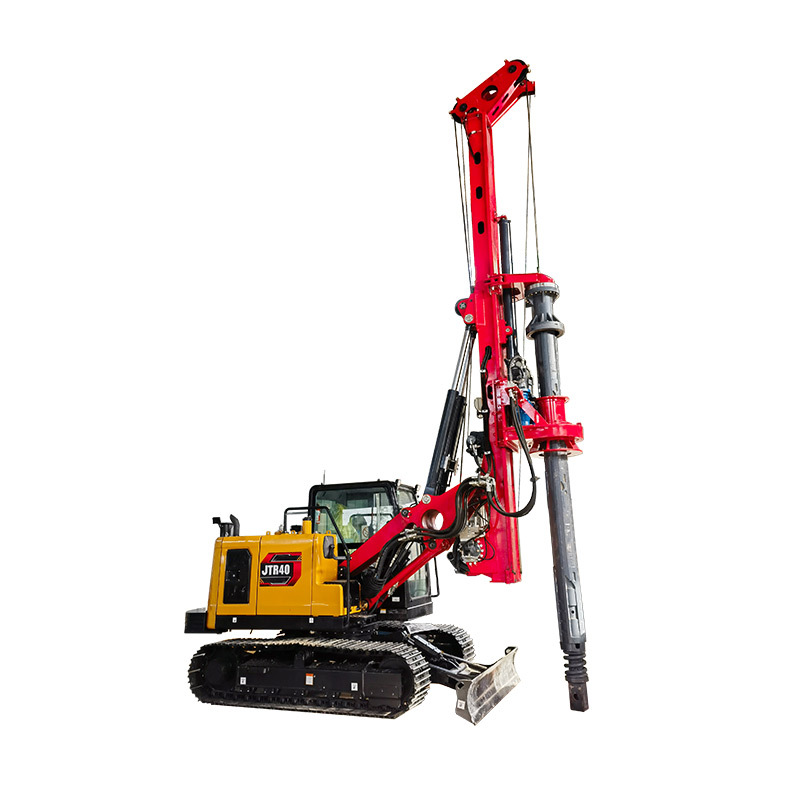
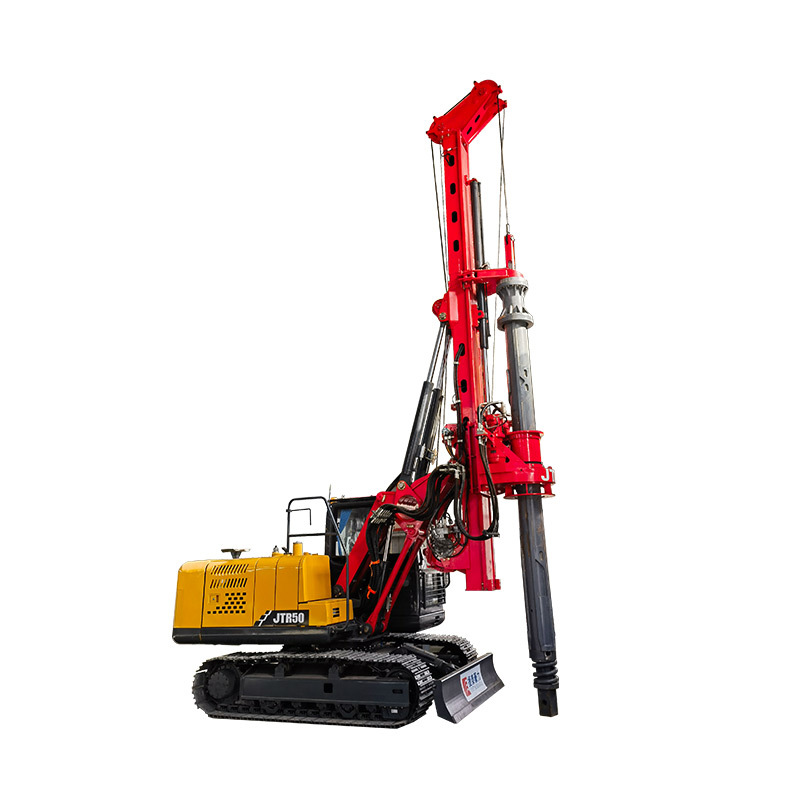
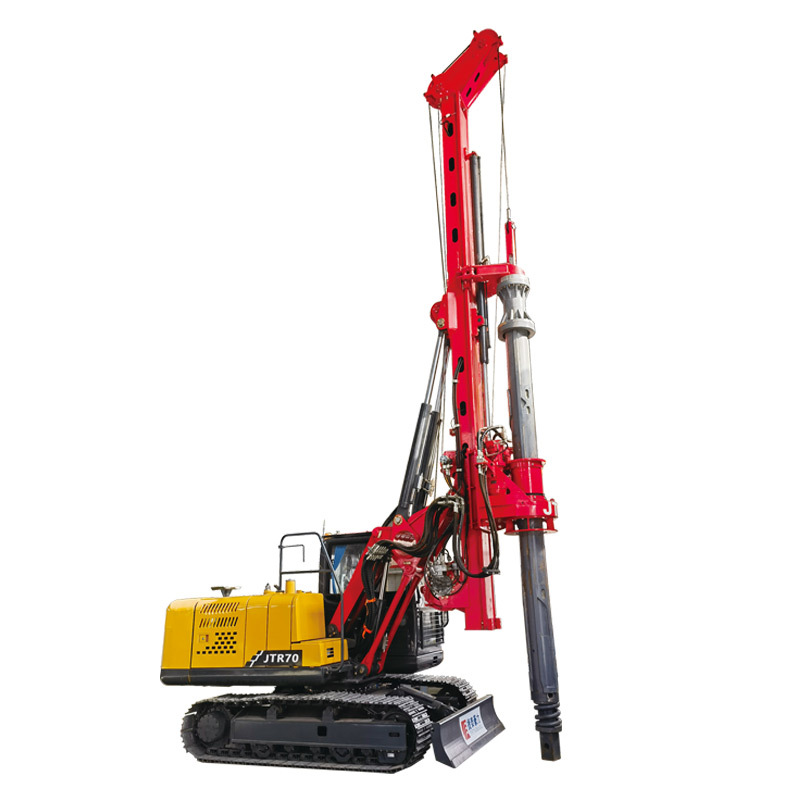
Composite pressurized drill pipe

Business consulting:
Manufacturer: Shandong Jietai Haoli Machinery Equipment Co., Ltd.
Address: Nanchai industrial park, Hualong Town, Shouguang city, Shandong province
Business License
Copyright©2024 Shandong Jietai Haili Machinery Equipment Co., Ltd.