
26
2026
-
07
How Friction Type Drill Pipe Enhances Project Sustainability in the Manufacturing and Construction Industries
How Friction Type Drill Pipe Enhances Project Sustainability Understanding Friction Type Drill Pipes Friction type drill pipes are specialized equipment used in various construction and manufacturing processes. These pipes play a critical role in drilling operations, especially in the oil and gas industry, mining, and civil engineering projects. The efficiency and effectiveness of these drill pipe

How Friction Type Drill Pipe Enhances Project Sustainability
Understanding Friction Type Drill Pipes
Friction type drill pipes are specialized equipment used in various construction and manufacturing processes. These pipes play a critical role in drilling operations, especially in the oil and gas industry, mining, and civil engineering projects. The efficiency and effectiveness of these drill pipes are pivotal not just for operational success but also for sustainable project practices.
What Are Friction Type Drill Pipes?
Friction type drill pipes are designed to transfer torque and tension during the drilling process. Unlike traditional drill pipes, these utilize friction to maintain their grip within the wellbore, enabling better control and efficiency. Typically constructed from high-strength materials, they can withstand extreme conditions, including high pressure and temperature, making them ideal for demanding environments.
The Mechanism of Friction in Drill Pipes
The basic principle behind friction type drill pipes is the use of frictional force to secure the pipe in place. This mechanism prevents slippage and ensures that the drilling operation can proceed without interruptions. The enhanced grip afforded by friction type drill pipes minimizes the risk of failure during drilling, thus reducing the need for frequent repairs or replacements.
The Role of Friction Type Drill Pipes in Sustainability
As environmental concerns grow in today's industrial landscape, the demand for sustainable practices has never been higher. Friction type drill pipes contribute significantly to project sustainability in several ways.
1. Reduced Environmental Impact
Friction type drill pipes are designed to minimize drilling waste, which is a crucial factor in reducing the environmental footprint of a project. By ensuring a more controlled and efficient drilling process, these pipes help in:
- **Minimizing Soil Disturbance**: The enhanced grip reduces the amount of soil displaced during drilling.
- **Lowering Emissions**: Improved efficiency leads to less fuel consumption, subsequently reducing greenhouse gas emissions.
2. Enhanced Durability and Lifecycle
The materials used in friction type drill pipes are engineered for durability. A longer lifespan translates to less frequent replacements, which in turn means:
- **Lower Resource Consumption**: The need for manufacturing new pipes decreases, thus conserving natural resources.
- **Decreased Waste Generation**: Fewer discarded pipes result in less waste entering landfills.
3. Fuel Efficiency and Cost Savings
One of the key benefits of friction type drill pipes is their ability to improve fuel efficiency during drilling operations. This efficiency translates directly into cost savings, allowing project managers to allocate resources more effectively. Sustainable practices in project management include:
- **Reduced Operational Costs**: Lower fuel consumption leads to significant savings.
- **Increased Profitability**: Enhanced efficiency can improve overall project margins.
4. Improved Safety Standards
Safety is paramount in any construction or manufacturing project. Friction type drill pipes enhance safety in the following ways:
- **Lower Failure Rates**: Their ability to maintain grip reduces the risk of accidents caused by equipment failure.
- **Safer Work Environments**: Reduced risk translates to a safer workspace for all employees involved in the project.
Applications of Friction Type Drill Pipes
Friction type drill pipes find applications in several sectors, contributing to their sustainability goals.
1. Oil and Gas Industry
In the oil and gas sector, friction type drill pipes are essential for drilling operations in challenging environments. Their ability to maintain grip and stability reduces the likelihood of blowouts, thus enhancing operational safety and environmental protection.
2. Mining Operations
In mining, efficient drilling is critical for extracting minerals while minimizing environmental destruction. Friction type drill pipes help achieve this by ensuring precise drilling, thereby reducing the impact on surrounding ecosystems.
3. Civil Engineering Projects
For civil engineering projects, these drill pipes are crucial in constructing foundations and other structures. The enhanced efficiency they offer leads to quicker project completion times, which is a key factor in minimizing the disruption to the environment.
Future Trends in Drill Pipe Technology
As technology continues to evolve, friction type drill pipes are expected to undergo significant advancements.
1. Smart Drill Pipe Systems
The integration of technology into drill pipe systems is on the rise. Smart drill pipes equipped with sensors can provide real-time data on performance and environmental conditions, enabling project managers to make informed decisions that enhance sustainability.
2. Advanced Materials
The development of new materials that are both lightweight and durable will likely play a crucial role in the evolution of friction type drill pipes. These advancements could further improve efficiency and reduce the environmental impact of drilling operations.
3. Increased Automation
Automation is a growing trend in the manufacturing and construction industries. The use of automated systems with friction type drill pipes will likely lead to enhanced precision and efficiency, further contributing to sustainable practices.
Challenges and Considerations
While friction type drill pipes offer numerous advantages, there are challenges that need to be addressed for broader adoption.
1. Initial Investment Costs
The upfront costs associated with friction type drill pipes can be higher than traditional options. However, the long-term savings generated through improved efficiency and reduced waste can justify this initial investment.
2. Training and Education
Proper training is essential for personnel who will be operating and maintaining these advanced drilling systems. Investing in education ensures that workers can maximize the benefits of friction type drill pipes while adhering to safety protocols.
Frequently Asked Questions (FAQs)
1. What are friction type drill pipes made of?
Friction type drill pipes are typically made from high-strength steel or composite materials designed to withstand extreme conditions.
2. How do friction type drill pipes enhance safety in drilling operations?
These drill pipes minimize the risk of slippage and equipment failure, significantly lowering the chances of accidents during drilling operations.
3. Can friction type drill pipes be used in all types of drilling projects?
While they are highly effective in various applications, their specific use may depend on the unique requirements of each project.
4. What are the environmental benefits of using friction type drill pipes?
Friction type drill pipes reduce drilling waste, lower emissions, and enhance the overall efficiency of drilling operations, contributing to a smaller environmental footprint.
5. How do technological advancements impact friction type drill pipes?
Technological advancements, such as smart systems and advanced materials, are expected to improve the efficiency, durability, and sustainability of friction type drill pipes in the future.
Conclusion
Friction type drill pipes represent a significant advancement in drilling technology, offering a multitude of benefits that directly contribute to project sustainability in the manufacturing and construction industries. By enhancing efficiency, reducing environmental impact, and improving safety standards, these drill pipes play a crucial role in modern engineering practices. As we continue to embrace innovation and technology, the future of friction type drill pipes holds great promise for creating more sustainable and efficient operations across various sectors. Embracing these advancements not only supports the bottom line but also aligns with the global shift towards more responsible and sustainable industrial practices.
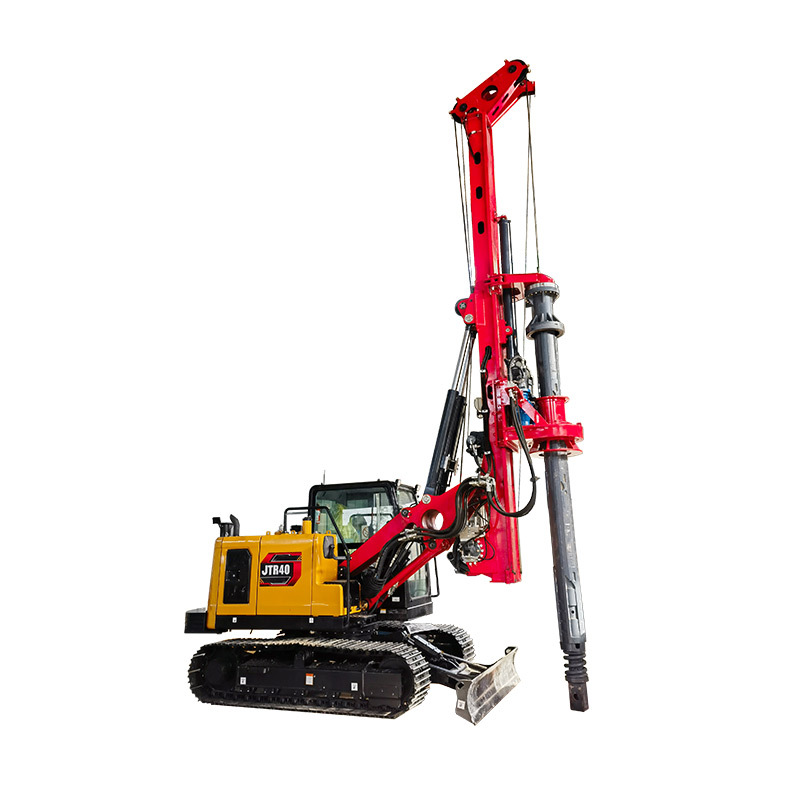
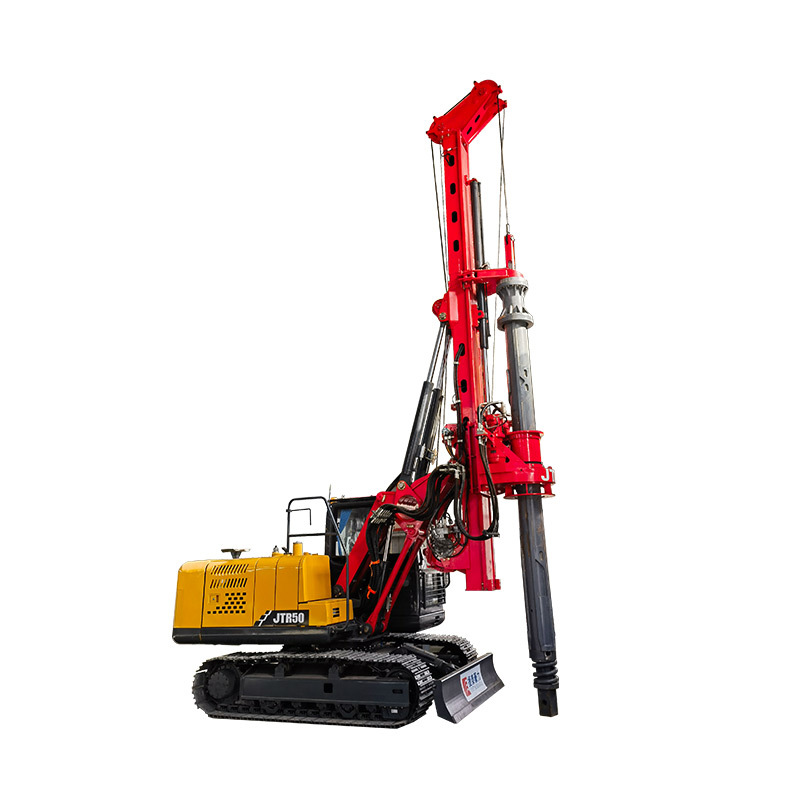
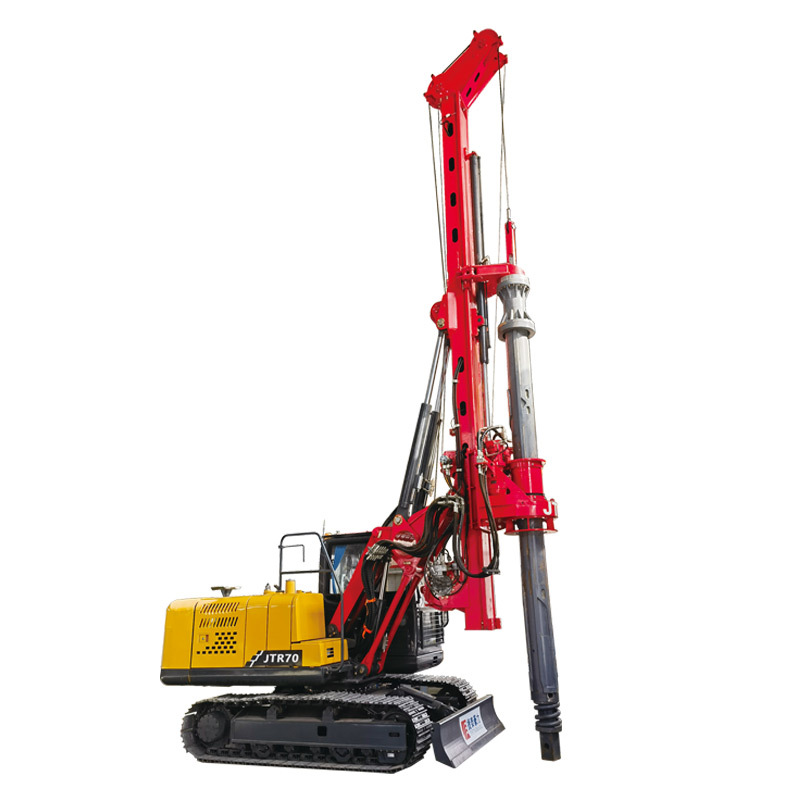
Friction type drill pipe

Business consulting:
Manufacturer: Shandong Jietai Haoli Machinery Equipment Co., Ltd.
Address: Nanchai industrial park, Hualong Town, Shouguang city, Shandong province
Business License
Copyright©2024 Shandong Jietai Haili Machinery Equipment Co., Ltd.