
29
2026
-
07
Essential Insights on Drilling Rigs for Foundation Piling
When it comes to foundation piling, the use of a drilling rig is crucial for ensuring structural integrity and stability. Drilling rigs for foundation piling are specialized machines designed to create deep holes in the ground where piles will be installed. These rigs are essential in various construction projects, including buildings, bridges, and other infrastructures that require solid foundati

When it comes to foundation piling, the use of a drilling rig is crucial for ensuring structural integrity and stability. Drilling rigs for foundation piling are specialized machines designed to create deep holes in the ground where piles will be installed. These rigs are essential in various construction projects, including buildings, bridges, and other infrastructures that require solid foundations.
One of the primary functions of drilling rigs is to bore holes into the earth, allowing for the installation of piles that will support the weight of the structure above. Piles are long, slender columns made of materials like concrete or steel, driven deep into the ground to transfer the load of the structure to more stable soil or rock layers below. The efficiency and effectiveness of a drilling rig can significantly impact the overall timeline and success of a construction project.
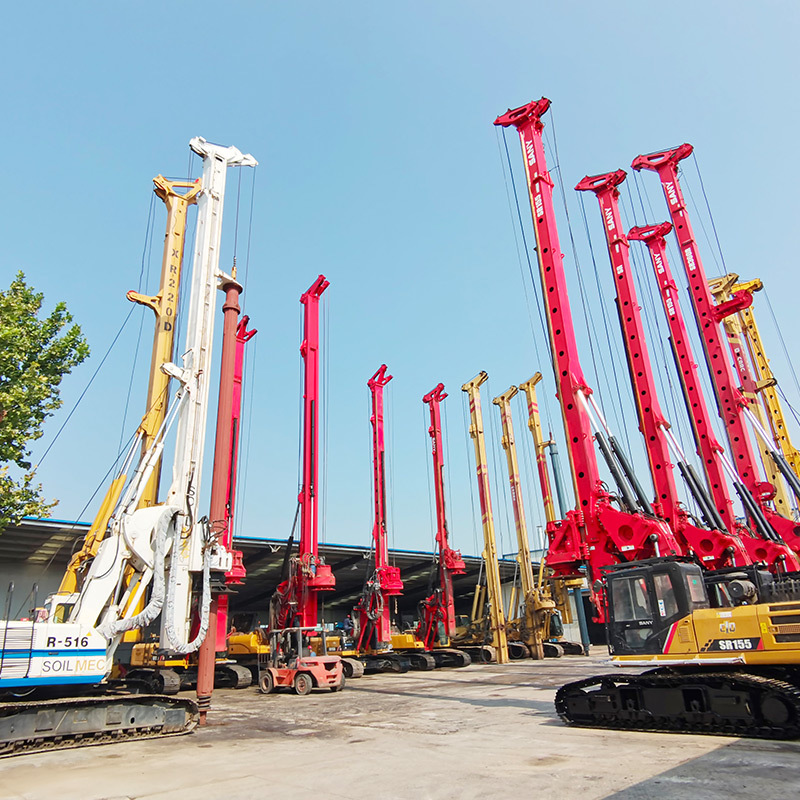
There are several types of drilling rigs available for foundation piling, each suited to specific project needs. For instance, rotary drilling rigs use a rotating drill bit to penetrate the soil, making them ideal for harder ground conditions. On the other hand, auger drilling rigs utilize a helical screw to remove soil as it drills, which can be more effective in softer soils. Understanding the type of soil and the project's specific requirements will help in selecting the right drilling rig.
Another significant consideration when choosing a drilling rig for foundation piling is the rig's mobility and size. For projects in urban areas or sites with limited access, compact and mobile rigs may be necessary. Conversely, larger rigs can handle heavier loads and are suitable for major projects requiring extensive piling work. Assessing the site conditions and logistical challenges is vital to ensure the selected rig can operate effectively without hindering project progress.
Safety is another critical aspect when operating drilling rigs for foundation piling. Operators must be adequately trained to handle the machinery and understand the safety protocols involved in drilling operations. Additionally, maintaining the equipment and conducting regular inspections can help prevent accidents and ensure optimal performance.
In summary, drilling rigs for foundation piling play a fundamental role in the construction industry. By understanding the different types of rigs, their functionalities, and the importance of safety, project managers can make informed decisions that will ultimately lead to successful foundation projects. Whether you are engaged in a small-scale construction task or a large infrastructure development, choosing the right drilling rig is essential for achieving desired outcomes.
One of the primary functions of drilling rigs is to bore holes into the earth, allowing for the installation of piles that will support the weight of the structure above. Piles are long, slender columns made of materials like concrete or steel, driven deep into the ground to transfer the load of the structure to more stable soil or rock layers below. The efficiency and effectiveness of a drilling rig can significantly impact the overall timeline and success of a construction project.
There are several types of drilling rigs available for foundation piling, each suited to specific project needs. For instance, rotary drilling rigs use a rotating drill bit to penetrate the soil, making them ideal for harder ground conditions. On the other hand, auger drilling rigs utilize a helical screw to remove soil as it drills, which can be more effective in softer soils. Understanding the type of soil and the project's specific requirements will help in selecting the right drilling rig.
Another significant consideration when choosing a drilling rig for foundation piling is the rig's mobility and size. For projects in urban areas or sites with limited access, compact and mobile rigs may be necessary. Conversely, larger rigs can handle heavier loads and are suitable for major projects requiring extensive piling work. Assessing the site conditions and logistical challenges is vital to ensure the selected rig can operate effectively without hindering project progress.
Safety is another critical aspect when operating drilling rigs for foundation piling. Operators must be adequately trained to handle the machinery and understand the safety protocols involved in drilling operations. Additionally, maintaining the equipment and conducting regular inspections can help prevent accidents and ensure optimal performance.
In summary, drilling rigs for foundation piling play a fundamental role in the construction industry. By understanding the different types of rigs, their functionalities, and the importance of safety, project managers can make informed decisions that will ultimately lead to successful foundation projects. Whether you are engaged in a small-scale construction task or a large infrastructure development, choosing the right drilling rig is essential for achieving desired outcomes.
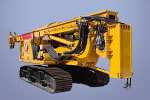
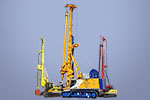
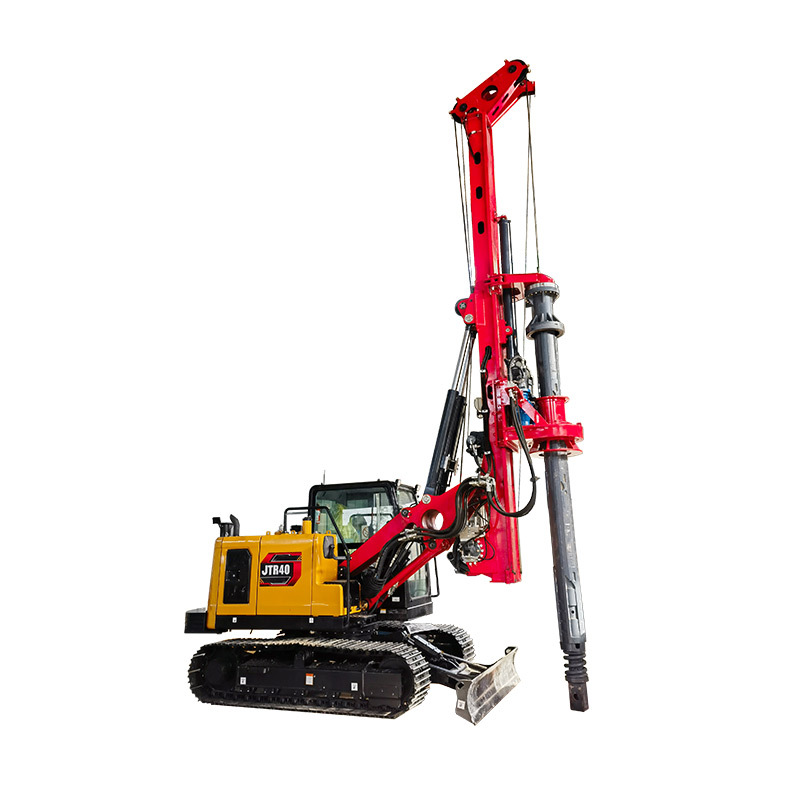
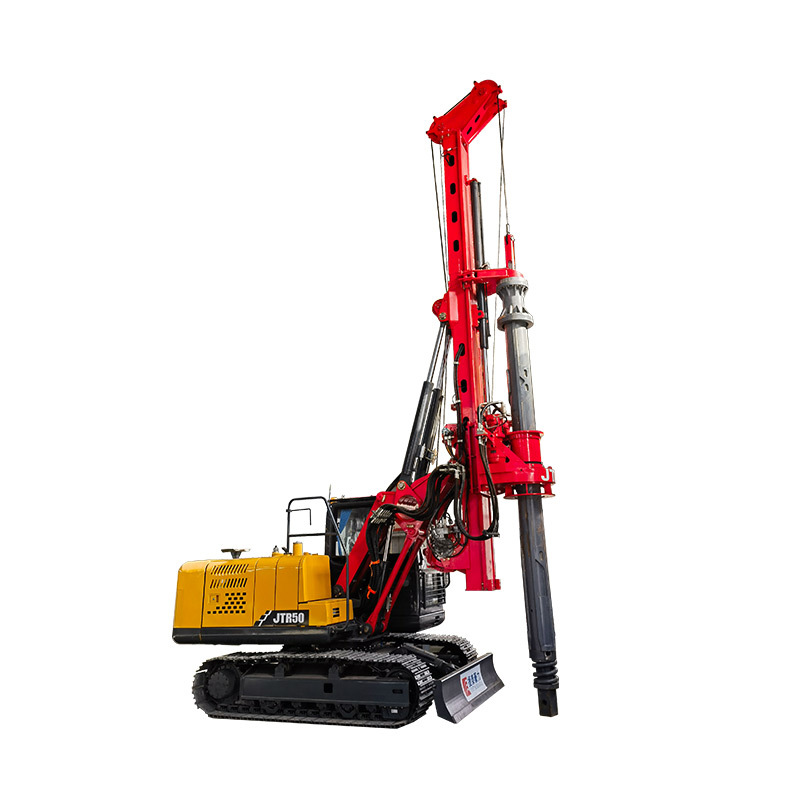
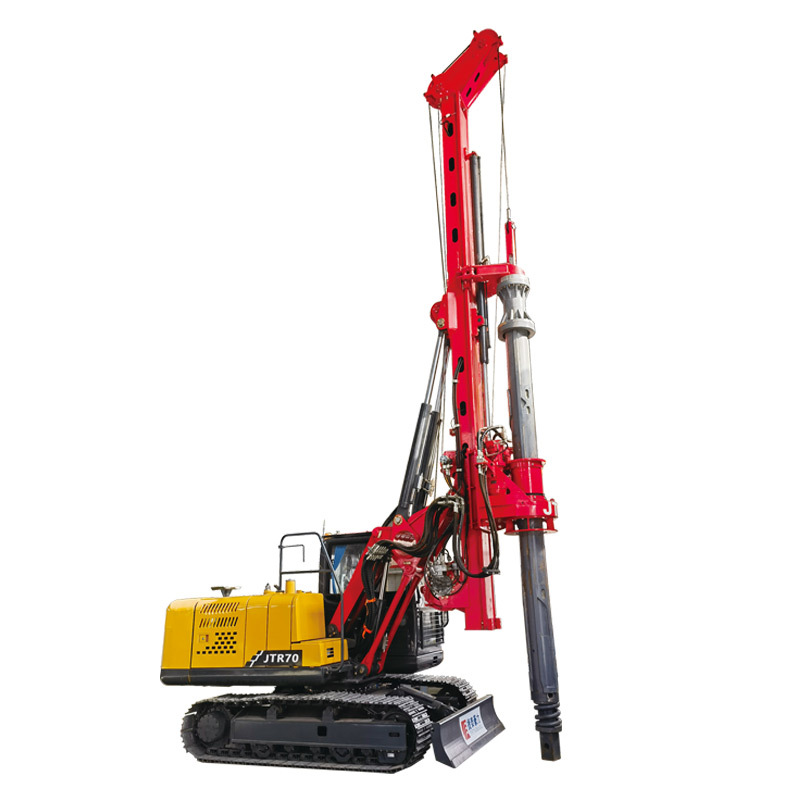
drilling rig for foundation piling

Business consulting:
Manufacturer: Shandong Jietai Haoli Machinery Equipment Co., Ltd.
Address: Nanchai industrial park, Hualong Town, Shouguang city, Shandong province
Business License
Copyright©2024 Shandong Jietai Haili Machinery Equipment Co., Ltd.