
30
2026
-
07
Top Features to Look for in a Hydraulic Piling Drilling Rig
Top Features to Look for in a Hydraulic Piling Drilling Rig Introduction to Hydraulic Piling Drilling Rigs In the ever-evolving construction industry, hydraulic piling drilling rigs have become indispensable tools for specialists involved in deep foundation work. These machines are engineered for a variety of applications, including large-scale building projects, bridge constructions, and undergro

Top Features to Look for in a Hydraulic Piling Drilling Rig
Introduction to Hydraulic Piling Drilling Rigs
In the ever-evolving construction industry, hydraulic piling drilling rigs have become indispensable tools for specialists involved in deep foundation work. These machines are engineered for a variety of applications, including large-scale building projects, bridge constructions, and underground excavation. It’s crucial to understand the **top features that distinguish an effective hydraulic piling drilling rig** to maximize efficiency and ensure safety on site.
1. Power and Performance: Assessing Hydraulic Systems
When considering a hydraulic piling drilling rig, the power of its hydraulic system is paramount. The hydraulic system is responsible for translating fluid power into mechanical action, enabling the rig to execute drilling operations seamlessly.
1.1 Hydraulic Pressure Ratings
The **hydraulic pressure rating** of a rig determines its operational capabilities. A higher pressure rating allows for deeper drilling and the ability to penetrate tougher soil types. Look for rigs with adjustable pressure settings, which enable operators to tailor the machine's performance to specific project needs.
1.2 Engine Power and Efficiency
The engine plays a vital role in the rig’s overall performance. Opt for models equipped with powerful, fuel-efficient engines that comply with current emissions regulations. These engines not only provide the necessary torque for heavy-duty operations but also facilitate smoother maneuverability and lower operational costs.
2. Rig Stability and Mobility: Key Structural Features
Stability is crucial when operating hydraulic piling drilling rigs, particularly in challenging geological conditions. The design and structure of the rig contribute significantly to its stability.
2.1 Base and Chassis Design
A robust base design ensures that the rig maintains its balance during operation. Look for features such as a wide chassis and anti-tipping mechanisms that help prevent overturning during drilling. This is especially important for rigs working on steep or uneven terrain.
2.2 Mobility Options
Mobility is another essential feature. Hydraulic piling drilling rigs should offer versatile movement capabilities. Consider whether the rig can be easily transported from site to site, and if it is equipped with tracks or wheels suitable for various terrains. Advanced models may also include features like an extendable base for additional support during operation.
3. Drill Head Type and Configuration
The type of drill head used in a hydraulic piling drilling rig significantly impacts its effectiveness in various soil conditions.
3.1 Auger vs. Hammer Attachments
Different projects may require different drilling methods. For instance, an auger head is often preferred for softer soils, while a hammer attachment may be necessary for tougher, rock-laden environments. Evaluate the rig’s compatibility with various attachments to ensure versatility.
3.2 Quick Change Mechanism
A quick change mechanism allows operators to switch drill heads efficiently, minimizing downtime. This feature is critical in maintaining productivity on large projects where time is often of the essence.
4. Advanced Control Systems: Enhancing Operational Efficiency
Modern hydraulic piling rigs are increasingly equipped with advanced control systems that significantly enhance operational efficiency.
4.1 Digital Monitoring and Diagnostics
Look for rigs with integrated digital monitoring systems that provide real-time data on performance and diagnostics. These systems can alert operators to potential issues before they escalate, ensuring smooth operations.
4.2 Remote Operation Capabilities
Remote operation features are becoming a standard in hydraulic machinery. They allow operators to manage drilling without being on-site, enhancing safety by reducing exposure to hazardous environments.
5. Safety Features: Ensuring Operator Protection
Safety should be a primary concern when selecting hydraulic piling drilling rigs. Numerous features can enhance operator protection and reduce risks on the job site.
5.1 Emergency Shutdown Systems
Emergency shutdown systems are crucial for ensuring immediate machine deactivation in case of malfunction or emergency situations. Verify that the rig includes easily accessible emergency stop buttons.
5.2 Safety Guards and Shields
Incorporating safety guards and shields can protect operators from flying debris and other hazards. Make sure that the rig complies with safety standards and regulations to provide a secure working environment.
6. Maintenance and Serviceability: Long-Term Considerations
The longevity and reliability of hydraulic piling drilling rigs often depend on their ease of maintenance.
6.1 Accessible Service Points
Check whether the rig has accessible maintenance points for fluid changes, component inspections, and repairs. Easy access can significantly reduce downtime and maintenance costs.
6.2 Comprehensive Warranty and Support
A robust warranty and customer support plan can safeguard your investment. Seek out manufacturers that offer extensive warranties and responsive customer service to address any issues promptly.
7. Environmental Considerations: Eco-Friendly Innovations
As construction practices evolve, so does the focus on sustainability. Hydraulic piling drilling rigs are increasingly designed to minimize their environmental impact.
7.1 Emission Control Technology
Modern rigs often come equipped with advanced emission control technology to comply with environmental regulations. Look for rigs that utilize low-emission engines and sustainable hydraulic fluids.
7.2 Noise Reduction Features
Noise pollution is a significant concern in urban construction. Rigs with noise reduction technology can operate more quietly, minimizing disturbances in residential and commercial areas.
8. Cost Considerations: Balancing Quality and Budget
Investing in a hydraulic piling drilling rig is a significant financial commitment. It's essential to balance quality and budget effectively.
8.1 Initial Purchase vs. Long-Term Costs
While it might be tempting to choose the least expensive option, consider the long-term operational costs, including fuel consumption, maintenance, and potential downtime. Investing in a high-quality rig can yield better performance and lower costs over time.
8.2 Financing and Leasing Options
Many manufacturers offer financing and leasing options to help manage costs. Explore these possibilities to determine what best fits your budget and operational needs.
Conclusion
Selecting the right hydraulic piling drilling rig involves a thorough understanding of numerous features that affect performance, safety, and efficiency. By focusing on aspects like power and performance, structural stability, advanced control systems, and safety measures, you can make an informed decision that will enhance your operational success. As the industry continues to innovate, staying updated on the latest advancements will ensure you choose a rig that meets both your project requirements and budgetary constraints.
FAQs
1. What is a hydraulic piling drilling rig used for?
A hydraulic piling drilling rig is primarily used for deep foundation work in construction projects, such as building structures, bridges, and tunnels.
2. How deep can hydraulic piling drilling rigs drill?
The depth a hydraulic piling drilling rig can achieve depends on its specifications, but many modern rigs can reach depths of over 60 meters.
3. What safety certifications should I look for when purchasing a hydraulic piling drilling rig?
Look for rigs that comply with local and international safety standards, such as ISO certifications and CE marking, as well as any specific regulations applicable in your region.
4. Can hydraulic piling drilling rigs operate in extreme weather conditions?
Many hydraulic piling rigs are designed to function in a variety of weather conditions, but it's essential to consult the manufacturer's specifications for limitations.
5. How often should maintenance be performed on a hydraulic piling drilling rig?
Regular maintenance schedules vary by manufacturer, but a common recommendation is to conduct a thorough inspection every 250 operational hours and perform routine checks on a daily basis.
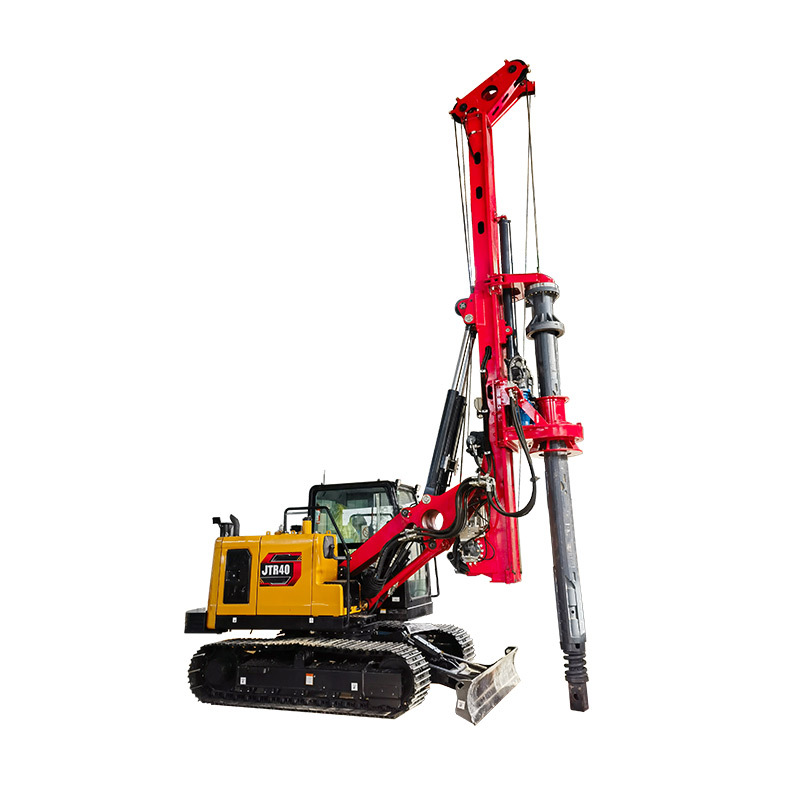
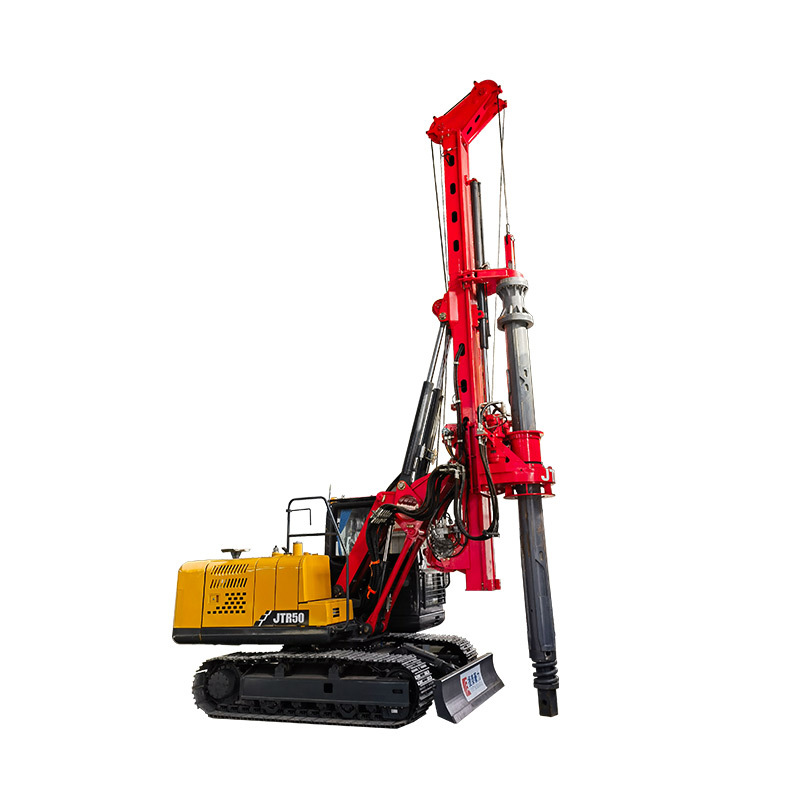
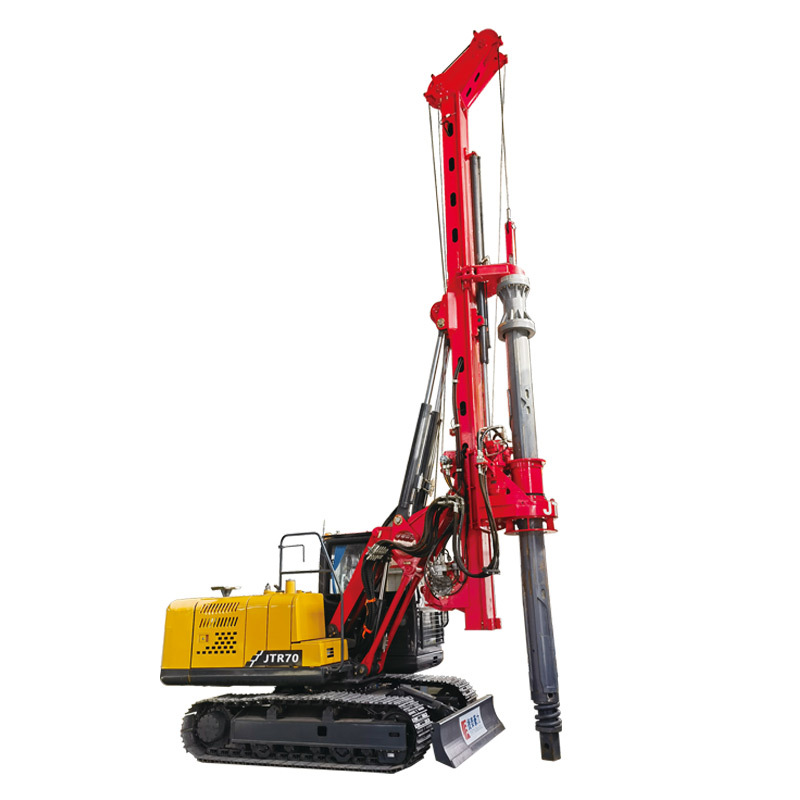
hydraulic piling drilling rig

Business consulting:
Manufacturer: Shandong Jietai Haoli Machinery Equipment Co., Ltd.
Address: Nanchai industrial park, Hualong Town, Shouguang city, Shandong province
Business License
Copyright©2024 Shandong Jietai Haili Machinery Equipment Co., Ltd.