
31
2026
-
07
Understanding Friction Type Drill Pipes: Key Insights for the Engineering and Construction Industry
Friction type drill pipes play a critical role in the engineering and construction machinery industry, particularly in drilling applications. These pipes are designed to transmit rotational force and facilitate the drilling process by providing a reliable connection between the drill bit and the surface equipment. The key feature of friction type drill pipes is their ability to maintain a robust g

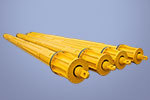
Friction type drill pipes play a critical role in the engineering and construction machinery industry, particularly in drilling applications. These pipes are designed to transmit rotational force and facilitate the drilling process by providing a reliable connection between the drill bit and the surface equipment. The key feature of friction type drill pipes is their ability to maintain a robust grip during drilling operations, which is essential for both efficiency and safety.
One of the primary advantages of friction type drill pipes is their enhanced torque transmission. This is achieved through a frictional grip that allows the pipes to withstand high levels of stress without slipping. As a result, these pipes enable operators to achieve deeper drilling depths and improved drilling speeds, thereby increasing overall productivity on site.
Another important aspect of friction type drill pipes is their versatility. They can be utilized in various geological conditions, making them ideal for a range of applications, from oil and gas drilling to mineral exploration. The adaptability of these pipes ensures that they can meet the specific requirements of different projects, regardless of the complexity or scale.
Furthermore, friction type drill pipes are designed with durability in mind. They are typically manufactured from high-strength materials that resist wear and tear, ensuring a longer service life. This durability not only reduces the frequency of replacements but also minimizes downtime, which is a crucial factor in maintaining project timelines and budgets.
In terms of maintenance, friction type drill pipes require regular inspections to ensure their integrity. Operators should be vigilant in checking for signs of wear, such as cracks or deformation, which can compromise the safety and efficiency of drilling operations. Implementing a routine maintenance schedule can help prolong the lifespan of the pipes and ensure optimal performance.
In conclusion, friction type drill pipes are an essential component in the engineering and construction machinery industry. Their unique design allows for effective torque transmission, versatility across various applications, and durability against harsh conditions. Understanding the functionality and benefits of these pipes is crucial for professionals in the field, as it can significantly impact the success of drilling operations. By prioritizing maintenance and selecting the right equipment, operators can harness the full potential of friction type drill pipes, leading to more efficient and successful project outcomes.
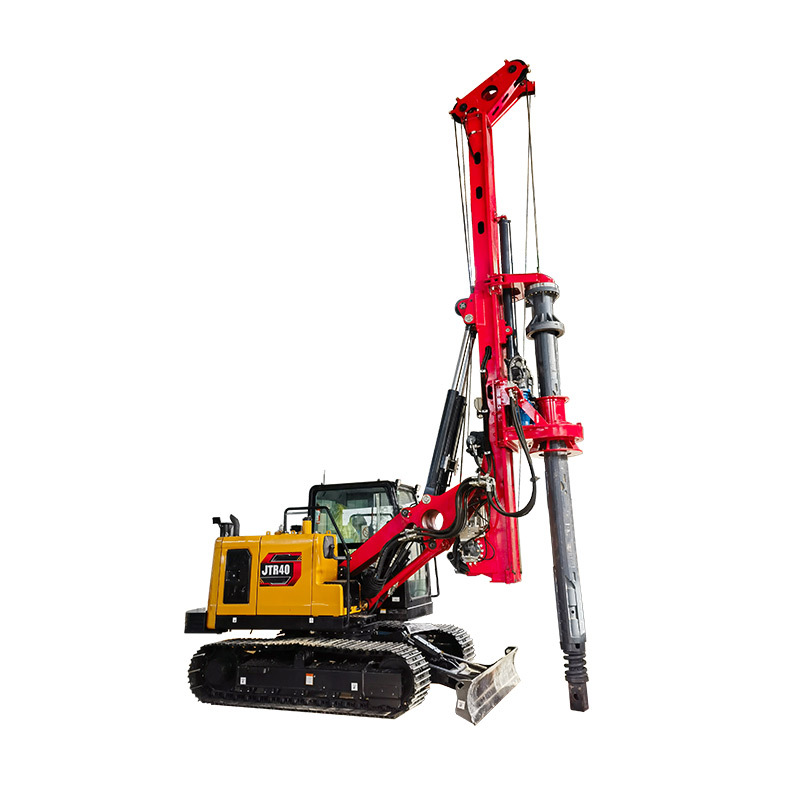
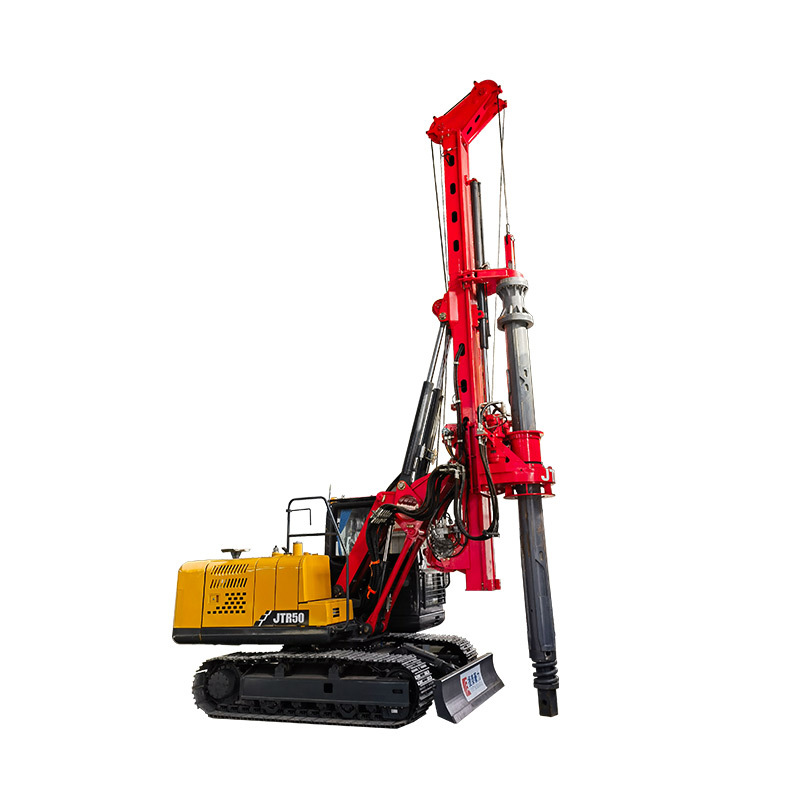
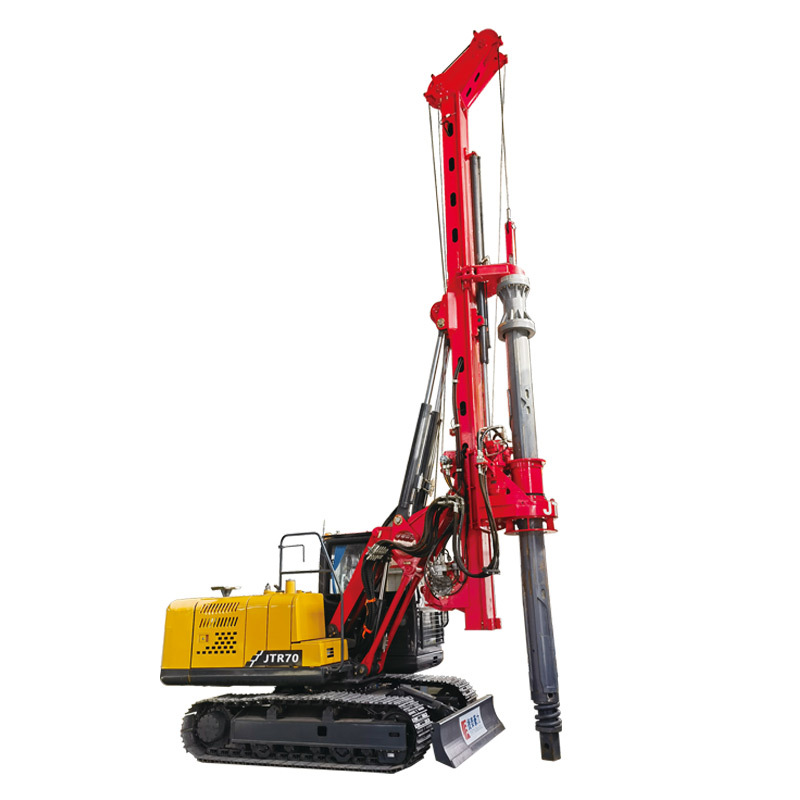
Friction type drill pipe

Business consulting:
Manufacturer: Shandong Jietai Haoli Machinery Equipment Co., Ltd.
Address: Nanchai industrial park, Hualong Town, Shouguang city, Shandong province
Business License
Copyright©2024 Shandong Jietai Haili Machinery Equipment Co., Ltd.