
04
2026
-
08
Understanding Hydraulic Piling Drilling Rigs: Essential Insights for Industrial Applications
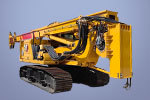
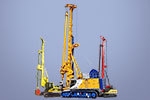
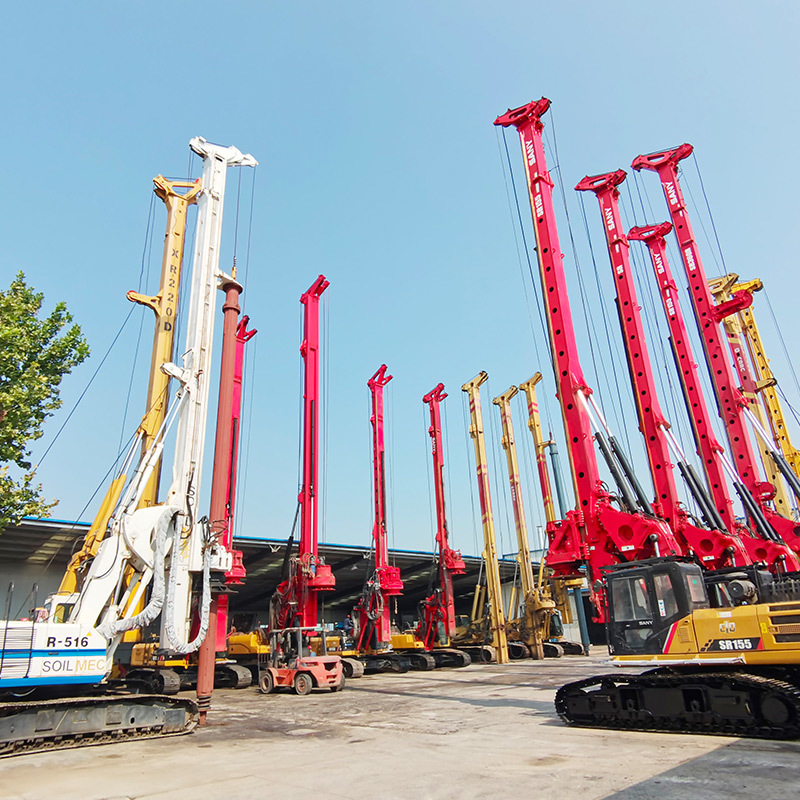
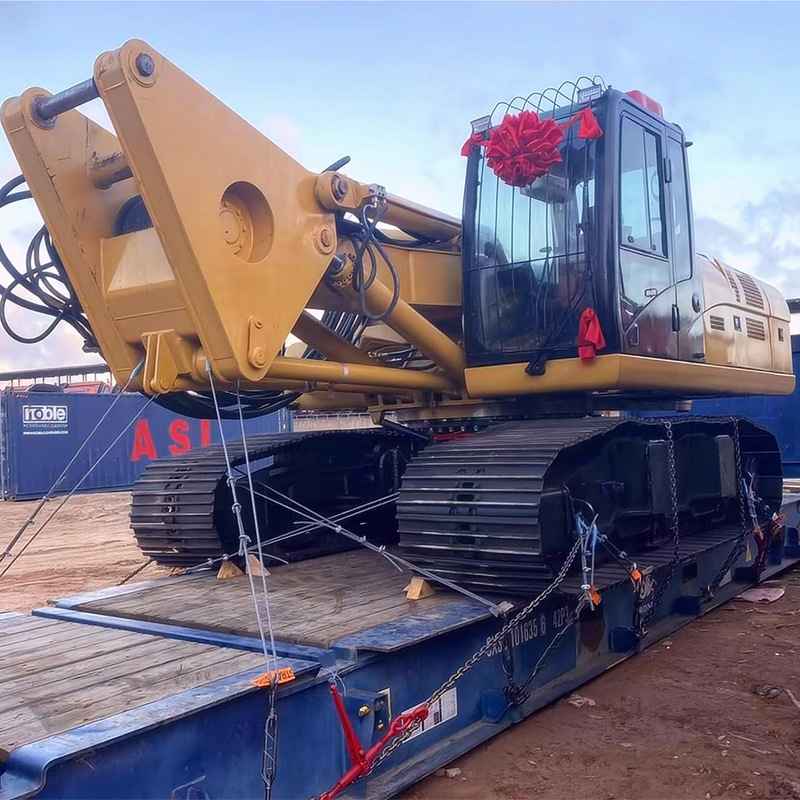
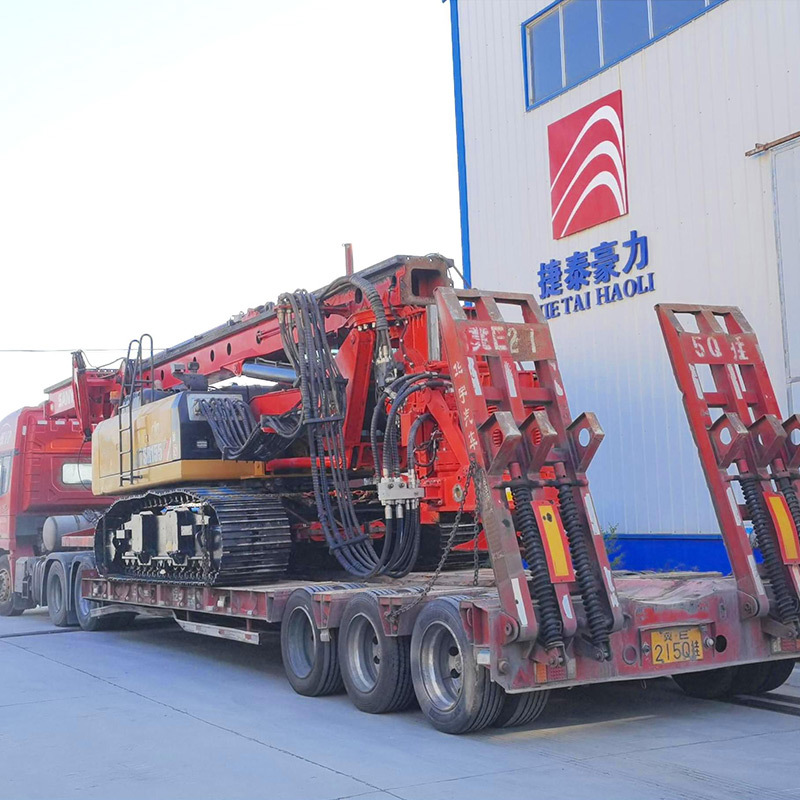
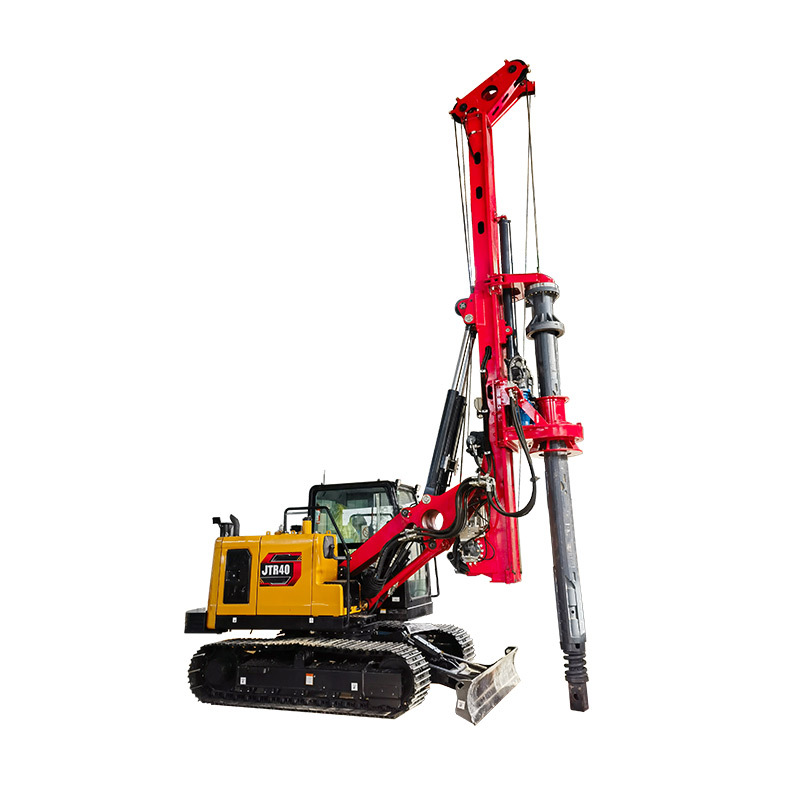
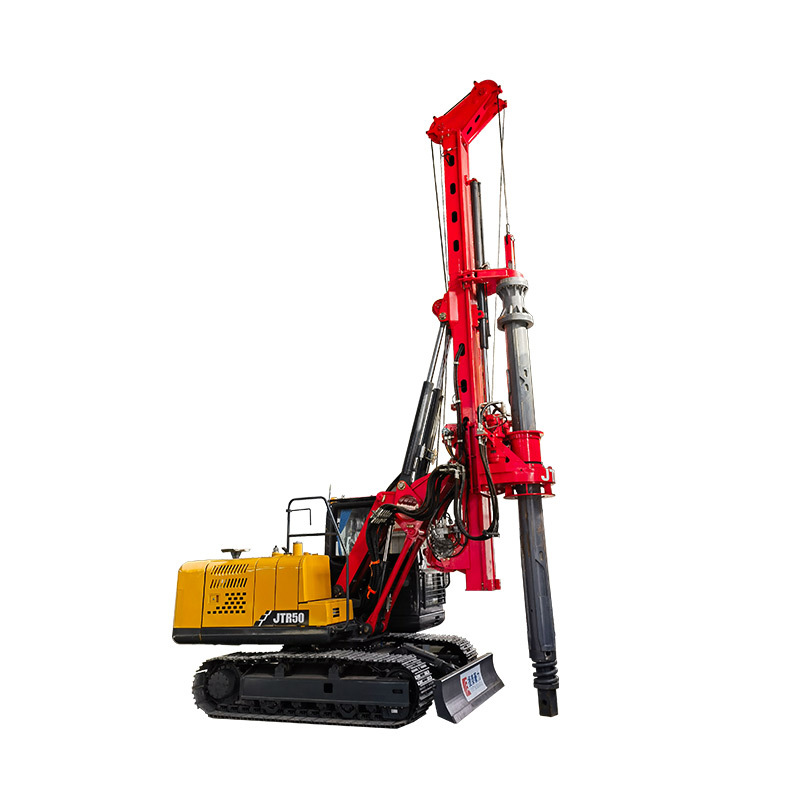
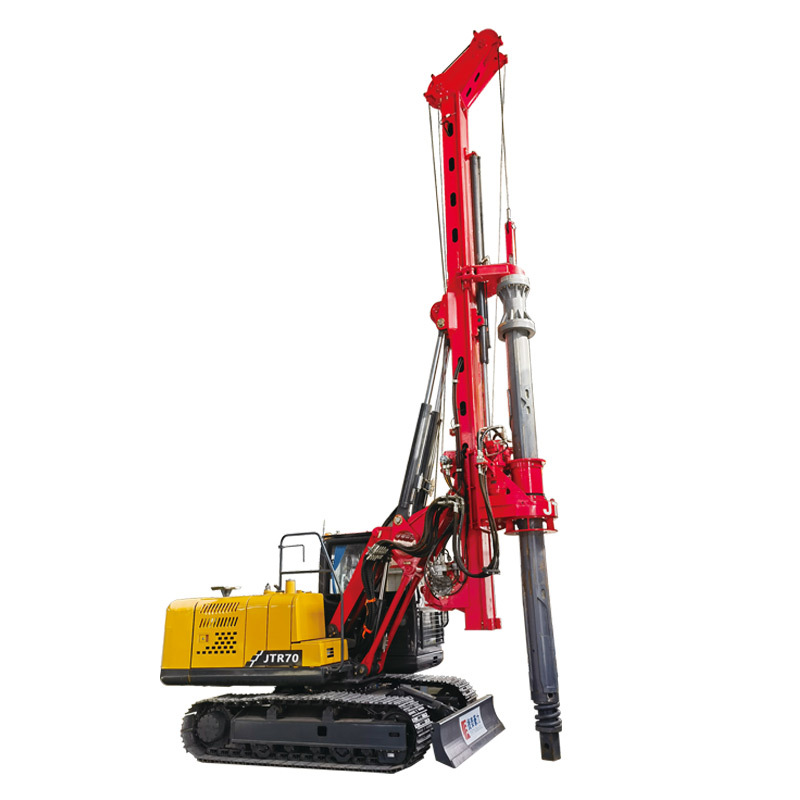
Hydraulic piling drilling rigs are specialized machines designed for deep foundation work, crucial in various construction projects, including buildings, bridges, and other infrastructure. These rigs utilize hydraulic systems to drive piles into the ground, ensuring stability and load-bearing capacity. Understanding the key components, benefits, and operational techniques associated with hydraulic

Hydraulic piling drilling rigs are specialized machines designed for deep foundation work, crucial in various construction projects, including buildings, bridges, and other infrastructure. These rigs utilize hydraulic systems to drive piles into the ground, ensuring stability and load-bearing capacity. Understanding the key components, benefits, and operational techniques associated with hydraulic piling drilling rigs is essential for optimizing their use in industrial applications.
One of the primary advantages of hydraulic piling drilling rigs is their efficiency. Unlike traditional piling methods, these rigs can penetrate hard soil conditions more quickly, reducing project timelines. The hydraulic mechanism allows for precise control over the drilling depth and angle, making it easier to achieve the desired level of stability. Moreover, the ability to adjust the hydraulic pressure means that operators can tailor the rig's performance to suit varying soil conditions, enhancing versatility.
Another significant benefit is the reduced noise and vibration levels during operation. Hydraulic systems operate more quietly compared to mechanical alternatives, making them suitable for urban construction sites where minimizing disturbances is crucial. This feature not only meets regulatory requirements but also fosters a better relationship with surrounding communities.
Maintenance and safety are critical considerations when operating hydraulic piling drilling rigs. Regular inspections and servicing of hydraulic components are essential to prevent breakdowns and ensure optimal performance. Operators should be trained to recognize signs of wear and tear, such as leaks or decreased hydraulic pressure, to address issues proactively.
Additionally, safety protocols must be strictly adhered to, given the potential hazards associated with large machinery. Operators should wear appropriate protective gear and follow guidelines for safe operation. Familiarity with emergency procedures and equipment shutdown processes is also vital to ensuring a safe working environment.
Environmentally, hydraulic piling drilling rigs can be designed to reduce their ecological footprint. Innovations in hydraulic technology have led to rigs that utilize biodegradable fluids and energy-efficient systems, aligning with the growing emphasis on sustainability in construction practices. Selecting a rig with eco-friendly features not only helps in compliance with environmental regulations but also promotes corporate responsibility.
In conclusion, hydraulic piling drilling rigs are indispensable tools in modern construction, offering efficiency, precision, and versatility. By understanding their operational mechanics, benefits, and maintenance requirements, professionals in the industrial equipment sector can maximize the utility of these rigs in their projects. This knowledge not only facilitates smoother operations but also contributes to the overall success of construction endeavors.
hydraulic piling drilling rig

Business consulting:
Manufacturer: Shandong Jietai Haoli Machinery Equipment Co., Ltd.
Address: Nanchai industrial park, Hualong Town, Shouguang city, Shandong province
Business License
Copyright©2024 Shandong Jietai Haili Machinery Equipment Co., Ltd.