
05
2026
-
08
Friction Type Drill Pipe: Enhancing Performance under Pressure for Industrial Applications
Friction Type Drill Pipe: Enhancing Performance under Pressure Table of Contents 1. Introduction to Friction Type Drill Pipes 2. Understanding Friction Type Drill Pipes 3. The Mechanics of Friction Type Drill Pipes 4. Applications in Engineering and Construction 5. Key Benefits of Using Friction Type Drill Pipes 6. Challenges and Limitations of Friction Type Drill Pipes

Friction Type Drill Pipe: Enhancing Performance under Pressure
Table of Contents
- 1. Introduction to Friction Type Drill Pipes
- 2. Understanding Friction Type Drill Pipes
- 3. The Mechanics of Friction Type Drill Pipes
- 4. Applications in Engineering and Construction
- 5. Key Benefits of Using Friction Type Drill Pipes
- 6. Challenges and Limitations of Friction Type Drill Pipes
- 7. The Future of Friction Type Drill Pipes in the Industry
- 8. Frequently Asked Questions (FAQs)
- 9. Conclusion
1. Introduction to Friction Type Drill Pipes
In the realm of **manufacturing and construction machinery**, the **friction type drill pipe** stands out as a pivotal innovation that enhances drilling efficiency and effectiveness. Designed to perform under high-pressure conditions, these drill pipes are essential for various applications ranging from oil and gas exploration to geological drilling. This article aims to provide a comprehensive understanding of friction type drill pipes, focusing on their mechanism, applications, benefits, and future prospects.
2. Understanding Friction Type Drill Pipes
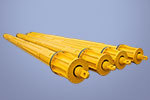
Friction type drill pipes are specialized tools engineered to improve the efficiency of drilling operations. They utilize frictional forces to facilitate the transfer of torque and weight on bit (WOB), allowing for better penetration rates while maximizing control and stability during drilling. The design typically includes features such as threads and connections that enhance grip and reduce slippage, making them ideal for extreme conditions.
2.1 Key Components and Design Features
The design of friction type drill pipes incorporates several critical components:
- **Material Composition:** High-strength steel or alloy materials ensure durability and resistance to wear and tear.
- **Thread Design:** Specially designed threads improve engagement and torque transfer.
- **Connection Types:** Various connection types, including flush joint and upset, cater to different drilling requirements.
3. The Mechanics of Friction Type Drill Pipes
The operational mechanics of friction type drill pipes hinge on the principles of friction and torque transfer. The process can be broken down into several stages:
3.1 Torque Generation
Torque is generated as the drill pipe rotates, facilitated by the friction between the pipe and the surrounding medium. This torque is critical for advancing the drill bit into the material being drilled.
3.2 Weight on Bit (WOB) Management
Effective management of WOB ensures optimal penetration rates while minimizing the risk of stuck pipe situations. The friction type design allows for better control over WOB, especially under high-pressure conditions.
3.3 Enhanced Stability
The frictional grip provided by the drill pipe design enhances stability during drilling operations, allowing for more precise drilling trajectories and reducing the likelihood of drill string failure.
4. Applications in Engineering and Construction
Friction type drill pipes find extensive applications in various sectors, primarily due to their reliability and performance under pressure. Key applications include:
4.1 Oil and Gas Exploration
In the oil and gas industry, friction type drill pipes are indispensable for deep drilling operations. Their ability to withstand extreme pressures and provide steady torque makes them suitable for extracting resources from challenging geological formations.
4.2 Geotechnical Drilling
Geotechnical engineers utilize friction type drill pipes for soil sampling and testing. The precision offered by these pipes ensures accurate data collection, which is vital for construction projects.
4.3 Mining Operations
In mining, these drill pipes assist in the exploration and extraction of minerals. Their robustness under high-stress scenarios helps maintain drilling efficiency and safety.
5. Key Benefits of Using Friction Type Drill Pipes
The adoption of friction type drill pipes offers a multitude of advantages that can significantly enhance drilling operations:
5.1 Increased Efficiency
By improving torque transfer and WOB management, friction type drill pipes enable faster drilling speeds, translating into increased productivity on-site.
5.2 Enhanced Safety
The design of these drill pipes minimizes the risk of accidents associated with stuck pipes or equipment failure, ensuring a safer working environment for operators.
5.3 Cost-Effectiveness
While the initial investment may be higher, the durability and efficiency of friction type drill pipes lead to lower operational costs in the long run due to reduced downtime and maintenance needs.
6. Challenges and Limitations of Friction Type Drill Pipes
Despite their numerous benefits, friction type drill pipes are not without challenges. Some limitations include:
6.1 Wear and Tear
Over time, the constant friction can lead to wear on the pipes, necessitating regular inspections and replacements to maintain optimal performance.
6.2 Compatibility Issues
Friction type drill pipes may not be compatible with all drilling rigs, which can limit their use in certain scenarios.
6.3 Initial Costs
The upfront costs associated with high-quality friction type drill pipes can be a barrier for smaller operations, despite the long-term savings.
7. The Future of Friction Type Drill Pipes in the Industry
The future of friction type drill pipes looks promising, with ongoing advancements in materials and design technology. Innovations such as smart sensors integrated into drill pipes will provide real-time data on performance metrics, further enhancing operational efficiency.
7.1 Sustainable Practices
As industries move towards sustainable practices, friction type drill pipes are being designed to minimize environmental impact while maximizing efficiency.
7.2 Technological Integration
The integration of IoT and automation in drilling operations will likely lead to the development of even more sophisticated friction type drill pipes that can adapt to varying operational conditions.
8. Frequently Asked Questions (FAQs)
8.1 What is a friction type drill pipe?
A friction type drill pipe is a specialized drill pipe designed to enhance drilling efficiency by utilizing frictional forces for torque and weight management.
8.2 How do friction type drill pipes improve drilling performance?
They improve drilling performance by optimizing torque transfer and weight on bit management, resulting in increased penetration rates and stability during drilling.
8.3 What industries use friction type drill pipes?
Friction type drill pipes are primarily used in oil and gas exploration, geotechnical drilling, and mining operations.
8.4 Are there any limitations to using friction type drill pipes?
Yes, challenges include wear and tear, compatibility issues with certain drilling rigs, and higher initial costs.
8.5 What is the future of friction type drill pipes?
The future involves advancements in materials and technology, leading to more efficient, sustainable, and intelligent drilling solutions.
9. Conclusion
Friction type drill pipes represent a significant advancement in drilling technology, offering enhanced performance under pressure across various industries. Their unique design and operational mechanics make them indispensable tools for maximizing efficiency and safety in drilling operations. With ongoing innovations and a focus on sustainability, friction type drill pipes are poised to play a crucial role in the future of engineering and construction. As industries continue to evolve, embracing these advanced tools will be vital for staying competitive and achieving operational excellence.
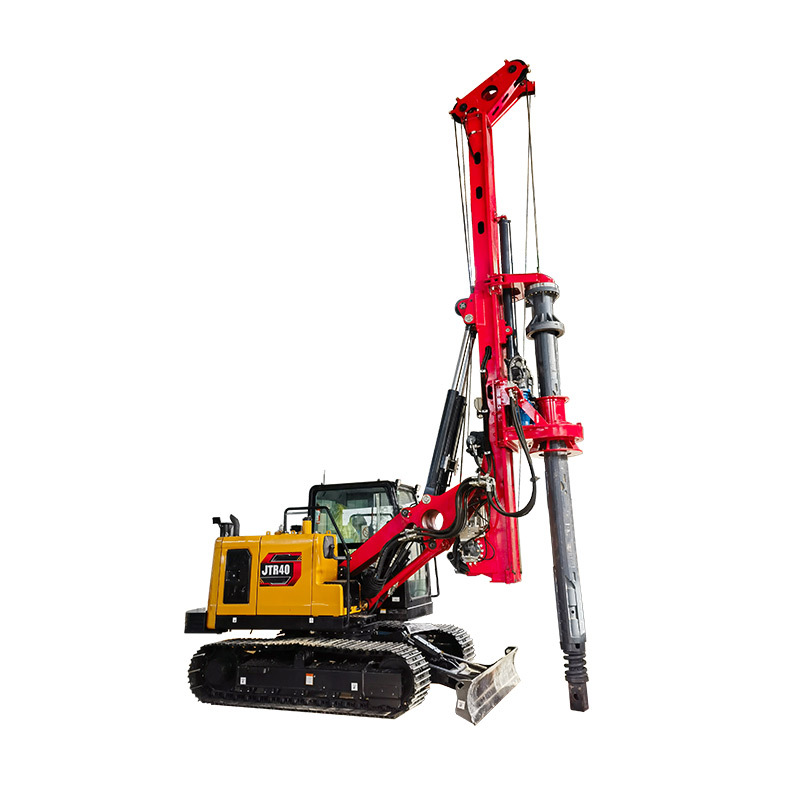
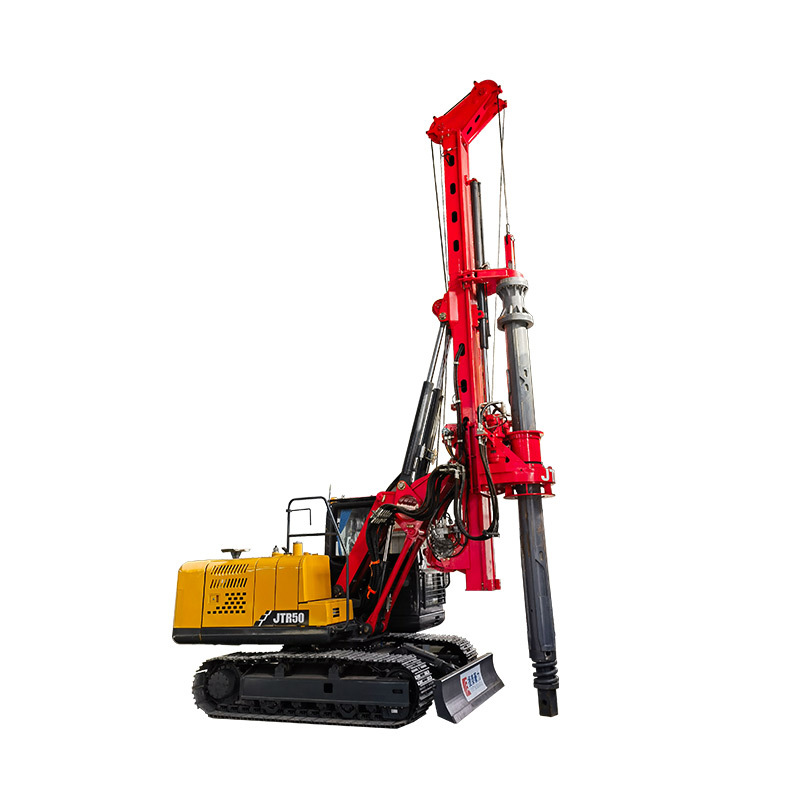
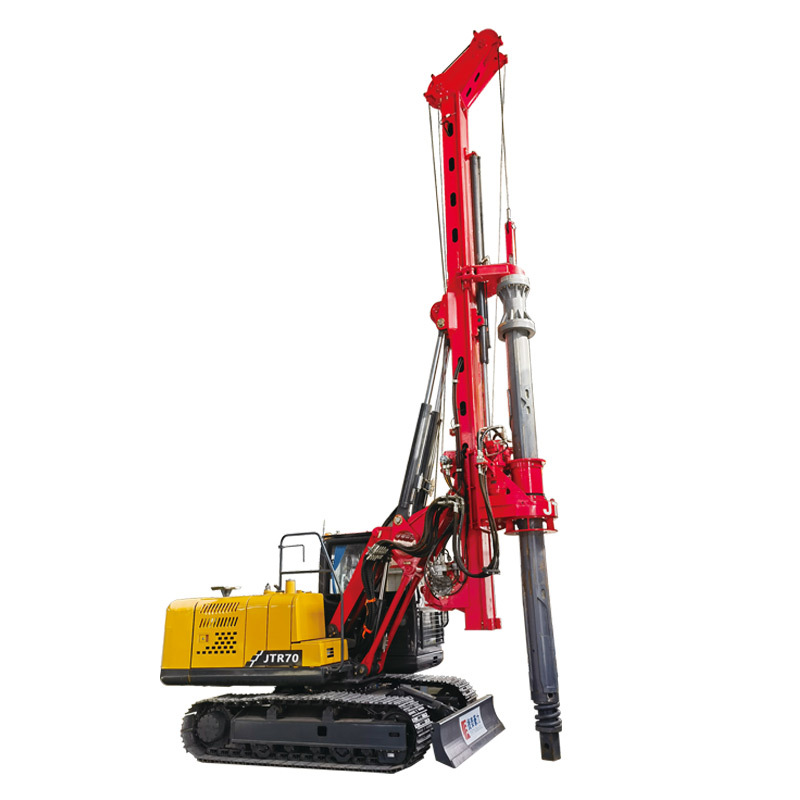
Friction type drill pipe

Business consulting:
Manufacturer: Shandong Jietai Haoli Machinery Equipment Co., Ltd.
Address: Nanchai industrial park, Hualong Town, Shouguang city, Shandong province
Business License
Copyright©2024 Shandong Jietai Haili Machinery Equipment Co., Ltd.