
08
2026
-
08
The Essential Guide to Drilling Rigs for Foundation Piling: Optimizing Your Project's Success
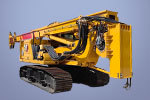
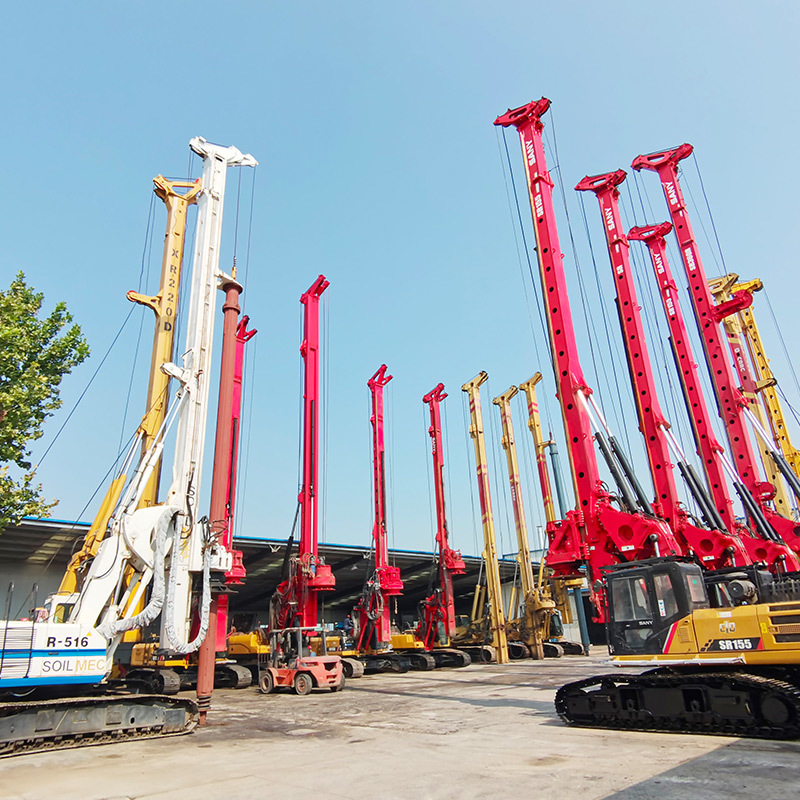
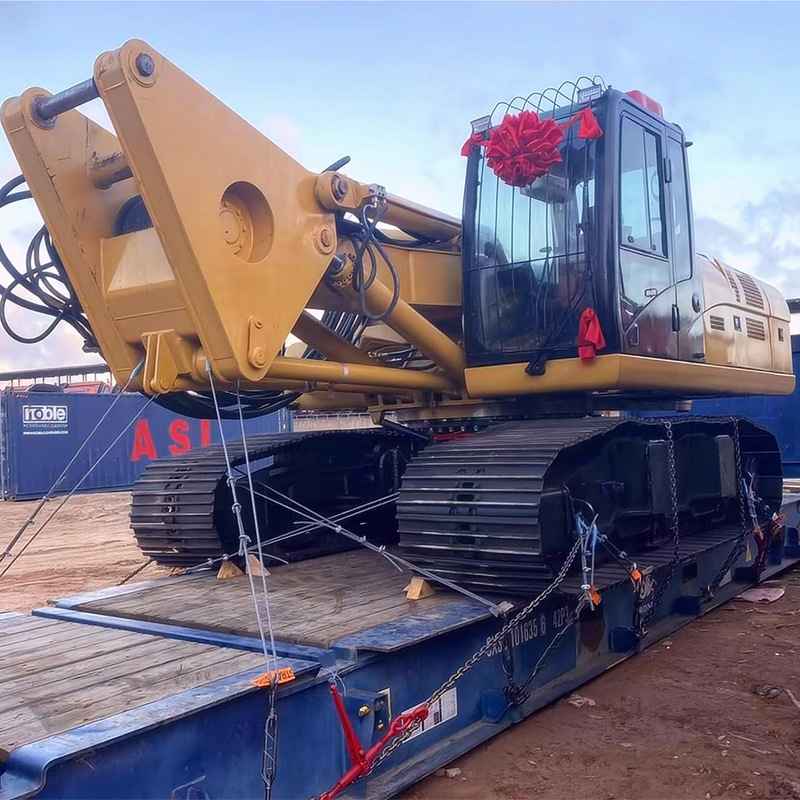
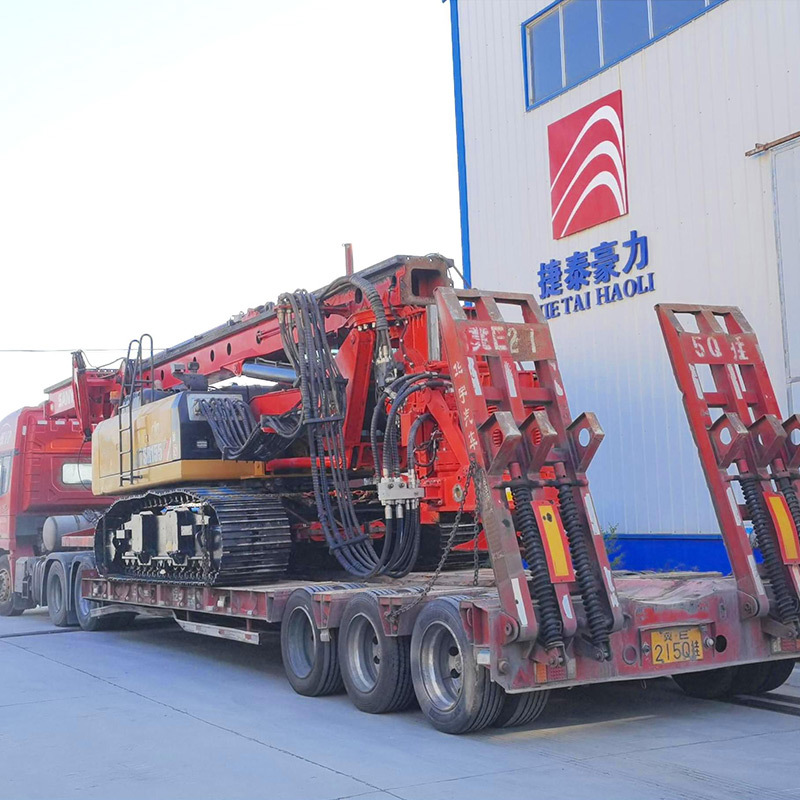
Drilling rigs for foundation piling are indispensable tools in construction, particularly in tasks requiring deep foundation support. These specialized rigs are designed to create deep holes in the ground, where piles are installed to bolster the structural integrity of buildings and other heavy installations. Understanding the characteristics of drilling rigs and their operational capabilities is

Drilling rigs for foundation piling are indispensable tools in construction, particularly in tasks requiring deep foundation support. These specialized rigs are designed to create deep holes in the ground, where piles are installed to bolster the structural integrity of buildings and other heavy installations. Understanding the characteristics of drilling rigs and their operational capabilities is essential for professionals in the hydraulic machinery and construction sectors.
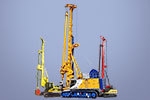
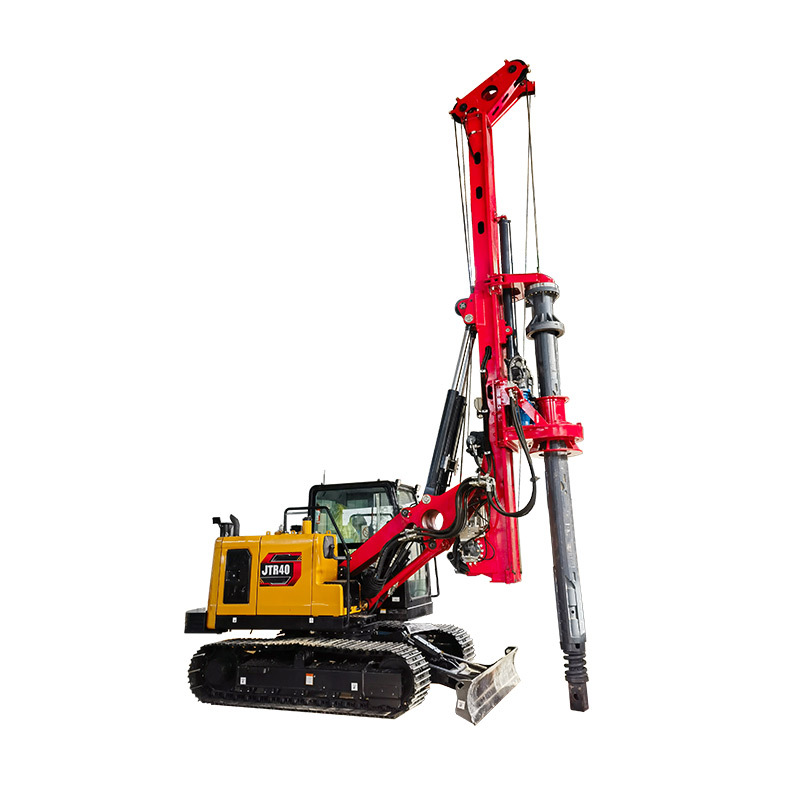
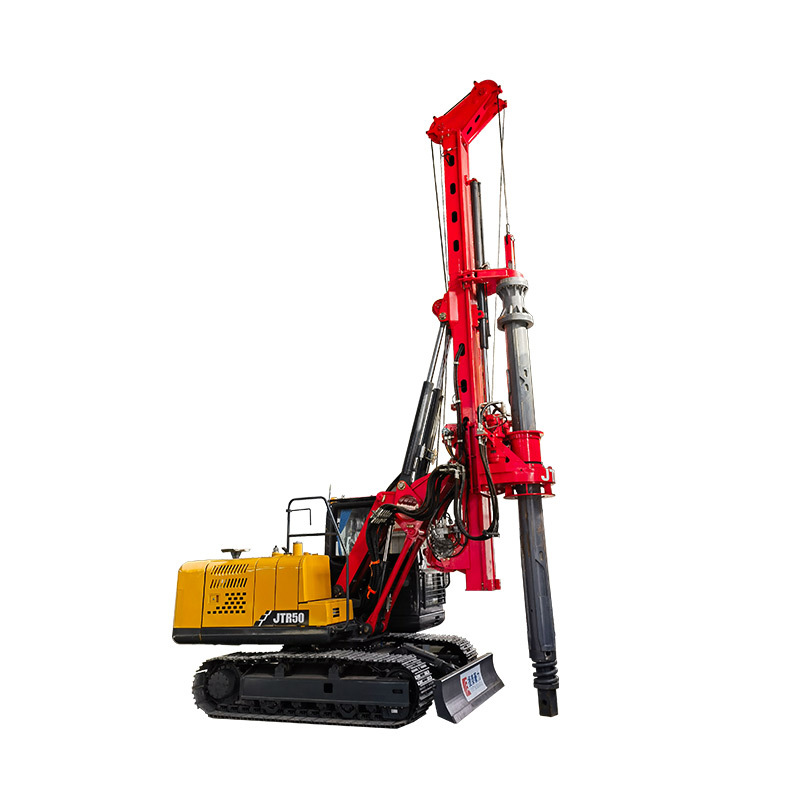
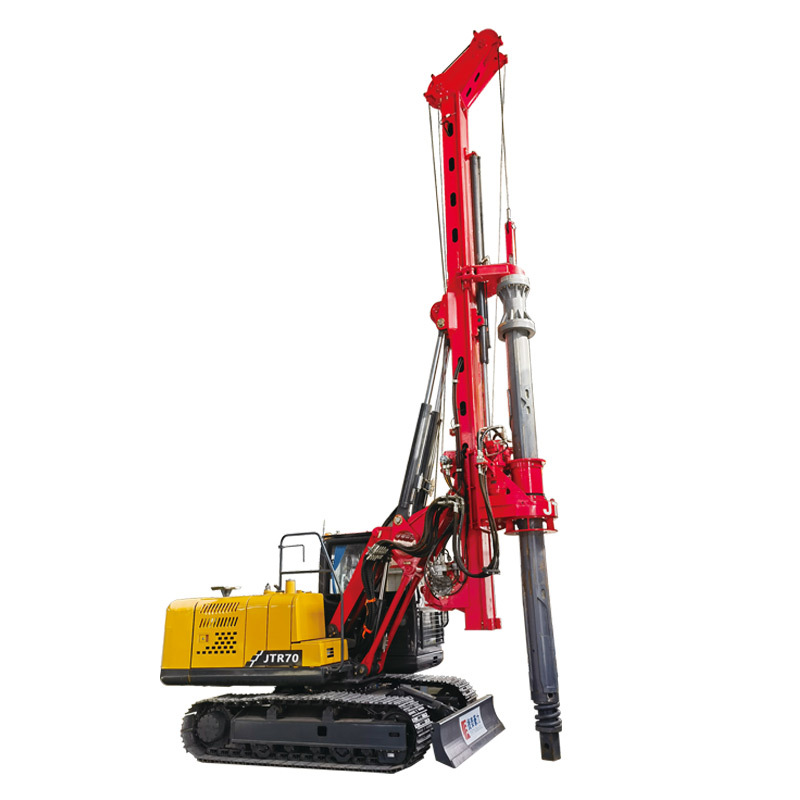
There are various types of drilling rigs utilized for foundation piling, each tailored to specific soil conditions and project requirements. The most common include rotary drilling rigs, driven pile rigs, and auger drilling rigs. Rotary drilling rigs are particularly effective in hard soil conditions and can penetrate deeper than other types, making them suitable for high-rise buildings and heavy infrastructure projects. Driven pile rigs, on the other hand, are used for driving pre-formed piles into the ground, providing quick and effective solutions for foundation reinforcement. Auger drilling rigs are beneficial for soft soil conditions, allowing for controlled drilling to create holes without disturbing the surrounding earth.
When selecting a drilling rig for foundation piling, it is crucial to consider factors such as soil type, depth of the piles, and the overall construction plan. A thorough soil analysis can inform the choice of rig and the method of piling, ensuring that the foundation will meet the necessary load-bearing requirements. Additionally, the choice of rig can impact project timelines, as some rigs are more efficient than others in specific conditions.
Safety and environmental considerations are also paramount when using drilling rigs for foundation piling. Proper training and adherence to safety protocols can prevent accidents and ensure compliance with industry regulations. Furthermore, employing rigs that minimize noise and vibration can reduce the impact on surrounding areas, promoting a safer and more environmentally friendly construction process.
In conclusion, drilling rigs for foundation piling play a critical role in the success of construction projects. By understanding the different types available and their respective advantages, professionals can make informed decisions that enhance project efficiency and safety. Investing in the right equipment and adhering to best practices will ultimately lead to more resilient and sustainable foundations, supporting the integrity of structures for years to come.
drilling rig for foundation piling

Business consulting:
Manufacturer: Shandong Jietai Haoli Machinery Equipment Co., Ltd.
Address: Nanchai industrial park, Hualong Town, Shouguang city, Shandong province
Business License
Copyright©2024 Shandong Jietai Haili Machinery Equipment Co., Ltd.