
07
2026
-
08
Maximizing Efficiency with Quality Drilling Rig Hydraulic Components
Maximizing Efficiency with Quality Drilling Rig Hydraulic Components Introduction In the competitive landscape of the construction and engineering machinery industry, maximizing operational efficiency is no longer a luxury but a necessity. **Drilling rigs**, which are pivotal in various construction projects, rely heavily on hydraulic systems to function effectively. The quality of hydraulic compo

Maximizing Efficiency with Quality Drilling Rig Hydraulic Components
Introduction
In the competitive landscape of the construction and engineering machinery industry, maximizing operational efficiency is no longer a luxury but a necessity. **Drilling rigs**, which are pivotal in various construction projects, rely heavily on hydraulic systems to function effectively. The quality of hydraulic components directly influences the performance, reliability, and longevity of these machines. In this article, we delve into the critical role that **high-quality hydraulic components** play in enhancing the efficiency of drilling rigs, exploring the latest technologies and best practices for maintenance.
Understanding Hydraulic Systems in Drilling Rigs
The Basics of Hydraulic Systems
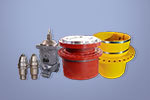
Hydraulic systems utilize pressurized fluid to transmit power. In drilling rigs, hydraulic systems are essential for operating various functions such as rotation, feed, and hoisting. At the heart of these systems are key components like pumps, valves, cylinders, and hoses, each playing a vital role in ensuring smooth operation.
Importance of Quality Hydraulic Components
Investing in **quality hydraulic components** can lead to significant improvements in efficiency. High-quality components are designed to withstand extreme pressures and operating conditions, reducing the risk of failure and downtime. They also contribute to smoother operation, which can enhance overall productivity on the job site.
Key Hydraulic Components in Drilling Rigs
Pumps: The Heart of Hydraulic Systems
Hydraulic pumps are responsible for converting mechanical energy into hydraulic energy. They create the flow necessary to operate hydraulic machinery. Choosing a reliable, high-performance pump ensures that your drilling rig operates at optimal efficiency, minimizing the risk of overheating and system failure.
Valves: Controlling Fluid Flow
Valves play a crucial role in directing the hydraulic fluid flow within the system. They can regulate pressure, control speed, or shut off fluid flow entirely. Quality valves are engineered for precision control, allowing operators to manage the rig's functions with accuracy and ease.
Cylinders: Power in Motion
Hydraulic cylinders perform the work by converting hydraulic energy back into mechanical energy. The durability and efficiency of these cylinders directly affect the performance of the drilling rig. High-quality cylinders reduce wear and tear, which translates to lower maintenance costs and increased operational lifespan.
Hoses and Fittings: The Lifeblood of the System
Hydraulic hoses and fittings connect various components within the system. The integrity of these parts is essential to prevent leaks and pressure loss. Investing in high-grade hoses and fittings ensures that the hydraulic system operates efficiently, minimizing the risk of hydraulic failures.
Choosing Quality Hydraulic Components
Identifying Reputable Manufacturers
Selecting the right manufacturers for hydraulic components is crucial. Reputable manufacturers adhere to strict quality control standards and use advanced materials and technologies. Look for certifications such as ISO 9001, which indicates a commitment to quality management.
Understanding Material Quality
The materials used in hydraulic components significantly impact their performance and durability. Components made from high-strength steel alloys or advanced composite materials can withstand harsher conditions and provide longer service life. Ensure that the components you choose are designed for your specific drilling rig applications.
Maintenance Practices to Enhance Efficiency
Regular Inspection and Monitoring
Routine inspection of hydraulic components is essential for identifying potential issues before they escalate. Look for signs of wear, leaks, or corrosion. Establish a regular maintenance schedule and monitor the system's performance to ensure it operates at peak efficiency.
Fluid Quality and Management
The hydraulic fluid plays a critical role in the system's functionality. Using high-quality hydraulic fluid enhances lubrication and cooling, leading to improved performance. Regularly check fluid levels and replace fluids according to the manufacturer's recommendations to maintain system efficiency.
Training Operators for Optimal Use
Well-trained operators are essential for maximizing the efficiency of drilling rigs. Training should focus on understanding the hydraulic system, recognizing signs of potential issues, and implementing best practices for operation. Empowering operators with knowledge can lead to better decision-making and reduced wear on hydraulic components.
Innovative Technologies in Hydraulic Systems
Smart Sensors and Monitoring Systems
Technological advancements have introduced smart sensors and monitoring systems that provide real-time data on hydraulic performance. These systems can alert operators to irregularities and help in predictive maintenance, thus preventing unexpected failures and downtime.
Eco-Friendly Hydraulic Fluids
With increasing emphasis on sustainability, eco-friendly hydraulic fluids are becoming popular. These fluids provide the same level of performance as traditional options while being less harmful to the environment. Adopting eco-friendly solutions can enhance your company’s reputation and reduce your ecological footprint.
The Economic Impact of Quality Hydraulic Components
Reducing Downtime and Maintenance Costs
Investing in quality hydraulic components significantly reduces downtime due to failures and repairs. While the initial cost may be higher, the long-term savings from reduced maintenance and operational downtime make it a wise investment for construction companies.
Enhancing Productivity and Profitability
A well-maintained drilling rig equipped with high-quality hydraulic components can operate more efficiently, leading to increased productivity. Faster completion of projects not only enhances profitability but also improves client satisfaction, potentially leading to repeat business.
Conclusion
Maximizing efficiency in drilling rigs through quality hydraulic components is an investment that pays dividends in the long run. By understanding the role of various hydraulic components, implementing effective maintenance practices, and staying abreast of innovative technologies, companies can ensure their drilling rigs operate at peak performance. Whether it's reducing downtime, minimizing maintenance costs, or enhancing overall productivity, a focus on quality hydraulic components is essential for success in the construction and engineering machinery sector.
FAQs
1. What are the main components of a hydraulic system in drilling rigs?
The main components include hydraulic pumps, valves, cylinders, and hoses, each playing a vital role in the system's functionality.
2. How often should hydraulic components be inspected?
Regular inspections should be performed at least once a month, or more frequently based on usage and operating conditions.
3. What are the benefits of using eco-friendly hydraulic fluids?
Eco-friendly hydraulic fluids reduce environmental impact while providing the same level of performance as traditional fluids, promoting sustainability.
4. How can training operators improve hydraulic system efficiency?
Training enables operators to understand the hydraulic system better, recognize potential issues, and implement best practices to reduce wear on components.
5. What should I look for when selecting hydraulic components for my drilling rig?
Look for reputable manufacturers, high-quality materials, and components that meet your specific operational needs to ensure durability and efficiency.
drilling rig hydraulic system parts

Business consulting:
Manufacturer: Shandong Jietai Haoli Machinery Equipment Co., Ltd.
Address: Nanchai industrial park, Hualong Town, Shouguang city, Shandong province
Business License
Copyright©2024 Shandong Jietai Haili Machinery Equipment Co., Ltd.