
15
2026
-
08
The Future of Friction Type Drill Pipe in Advanced Engineering
The Future of Friction Type Drill Pipe in Advanced Engineering Table of Contents 1. Introduction to Friction Type Drill Pipes 2. Historical Overview of Drill Pipe Technology 3. Design and Manufacturing Processes 4. Advantages of Friction Type Drill Pipes in Modern Engineering 5. Technological Advancements in Drill Pipe Design 6. Applications of Friction Type Drill Pipes in

The Future of Friction Type Drill Pipe in Advanced Engineering
Table of Contents
- 1. Introduction to Friction Type Drill Pipes
- 2. Historical Overview of Drill Pipe Technology
- 3. Design and Manufacturing Processes
- 4. Advantages of Friction Type Drill Pipes in Modern Engineering
- 5. Technological Advancements in Drill Pipe Design
- 6. Applications of Friction Type Drill Pipes in Engineering
- 7. Future Trends in Drill Pipe Technology
- 8. Challenges Facing the Industry
- 9. Conclusion
- 10. FAQs
1. Introduction to Friction Type Drill Pipes
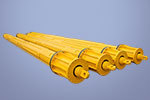
Friction type drill pipes have emerged as pivotal components in the realm of advanced engineering, particularly within the drilling sectors of construction and oil exploration. Their unique design permits enhanced grip and reduced slippage during drilling operations, thus significantly increasing overall efficiency and safety. As industries evolve, understanding the future potential of these tools becomes increasingly critical for engineers and project managers alike.
2. Historical Overview of Drill Pipe Technology
The inception of drill pipe technology dates back to ancient methods of boring. However, the friction type drill pipe, specifically, has seen revolutionary advancements over the last few decades. Initially, traditional drill pipes utilized rigid designs that often led to complications such as torsional failure and inadequate engagement. As engineering principles advanced, the introduction of friction mechanisms improved the connection between drill pipes and drill bits, allowing for more robust performance in challenging environments.
2.1 Evolution of Materials
A significant factor contributing to the advancement of friction type drill pipes has been the evolution of materials. Earlier drill pipes were primarily made of steel; however, modern advancements have introduced composite materials that enhance durability while minimizing weight. This shift not only improves performance but also reduces costs associated with transportation and operational downtime.
3. Design and Manufacturing Processes
The manufacturing of friction type drill pipes involves intricate engineering processes that prioritize both performance and safety. Advanced computer-aided design (CAD) technologies enable manufacturers to create precision-engineered components that meet the stringent demands of the contemporary engineering landscape.
3.1 Design Considerations
When designing friction type drill pipes, several factors need to be addressed, including:
- **Material Selection**: Choosing the appropriate materials impacts both the weight and strength of the drill pipe.
- **Friction Mechanism**: The design must optimize the frictional properties to ensure the pipe can withstand the torque and forces experienced during drilling.
- **Connection Interfaces**: Reliable connections that facilitate easy assembly and disassembly while maintaining strength are crucial.
3.2 Manufacturing Techniques
Modern manufacturing techniques, such as 3D printing and additive manufacturing, are being explored to produce drill pipes with complex geometries. This not only enhances performance but also allows for rapid prototyping and reduced production times.
4. Advantages of Friction Type Drill Pipes in Modern Engineering
The adoption of friction type drill pipes presents numerous advantages that are critical for successful operations in engineering projects.
4.1 Enhanced Performance
Friction type drill pipes provide superior grip and resistance against slippage, ensuring a more efficient drilling process. This increased performance translates into reduced operational costs and improved project timelines.
4.2 Improved Safety
By minimizing the risk of tool failure and ensuring better control during drilling, friction type pipes enhance overall safety on job sites. This improvement is vital for protecting workers and reducing potential liabilities for companies.
4.3 Cost-Effectiveness
Despite the higher initial investment, the long-term cost savings associated with friction type drill pipes—including reduced maintenance and downtime—make them a wise choice for many engineering projects.
5. Technological Advancements in Drill Pipe Design
As technology continues to advance, the design of friction type drill pipes is evolving in several notable ways.
5.1 Smart Sensors and IoT Integration
The integration of smart sensors into drill pipes allows for real-time monitoring of performance metrics. This data-driven approach enables engineers to make informed decisions regarding maintenance and operational adjustments.
5.2 Advanced Coatings
The development of advanced coatings designed to reduce wear and corrosion is revolutionizing drill pipe longevity. These coatings protect against the harsh conditions often encountered in drilling environments.
6. Applications of Friction Type Drill Pipes in Engineering
Friction type drill pipes find application across various sectors, including:
6.1 Oil and Gas Exploration
In the oil and gas industry, friction type drill pipes are essential for drilling operations in challenging environments, allowing for deeper and more efficient exploration of resources.
6.2 Construction Projects
Construction projects, particularly those involving deep foundation drilling, benefit greatly from the efficiency and reliability of friction type drill pipes, leading to quicker project completion times.
7. Future Trends in Drill Pipe Technology
As industries continue to innovate, several trends are likely to shape the future of friction type drill pipes.
7.1 Focus on Sustainability
With an increasing emphasis on sustainability, future drill pipe designs will likely incorporate recyclable materials and energy-efficient manufacturing processes.
7.2 Automation in Drilling Operations
The push towards automation and robotics in drilling operations suggests that friction type drill pipes will increasingly integrate with automated systems for enhanced efficiency and precision.
8. Challenges Facing the Industry
Despite the many advantages, the friction type drill pipe industry faces significant challenges.
8.1 Regulatory Compliance
Meeting the diverse regulatory requirements across different regions can complicate the manufacturing and usage of drill pipes. Companies must remain vigilant to ensure compliance with safety and environmental standards.
8.2 Market Competition
The drilling equipment market is highly competitive, with numerous players vying for market share. Continuous innovation and quality assurance are essential to maintain a competitive edge.
9. Conclusion
The future of friction type drill pipes in advanced engineering is promising, characterized by innovative designs and technological advancements that cater to the evolving needs of the industry. As we move forward, embracing these advancements will be essential for enhancing efficiency, safety, and sustainability in drilling operations. Companies that actively invest in research and development will position themselves at the forefront of this dynamic field, ensuring they remain competitive in an increasingly complex market.
10. FAQs
What are friction type drill pipes?
Friction type drill pipes are advanced drilling tools designed to enhance grip and reduce slippage during drilling operations, improving overall efficiency and safety.
What are the advantages of using friction type drill pipes?
The advantages include enhanced performance, improved safety, and cost-effectiveness, leading to reduced operational downtime and better project execution.
How have materials evolved in drill pipe technology?
Modern drill pipes utilize advanced composite materials that improve durability and reduce weight compared to the traditional steel pipes.
What technological advancements are shaping the future of drill pipes?
Smart sensors, IoT integration, and advanced coatings are among the key technological advancements enhancing the performance and longevity of drill pipes.
In which sectors are friction type drill pipes commonly used?
Friction type drill pipes are commonly used in oil and gas exploration and construction projects, particularly for deep foundation drilling.
What challenges does the friction type drill pipe industry face?
Challenges include regulatory compliance across different regions and intense market competition, requiring continuous innovation and quality assurance.
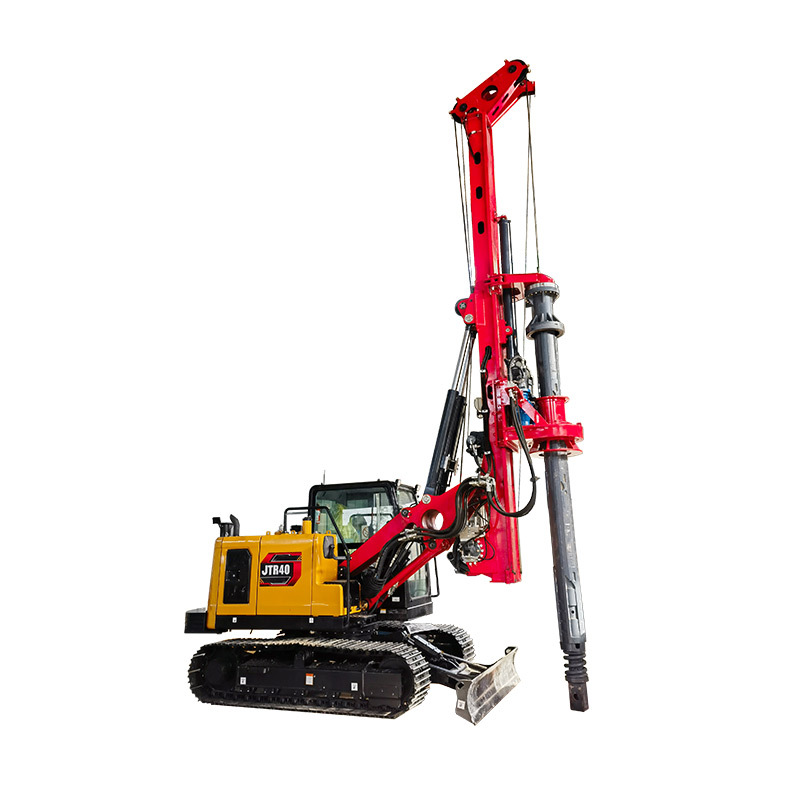
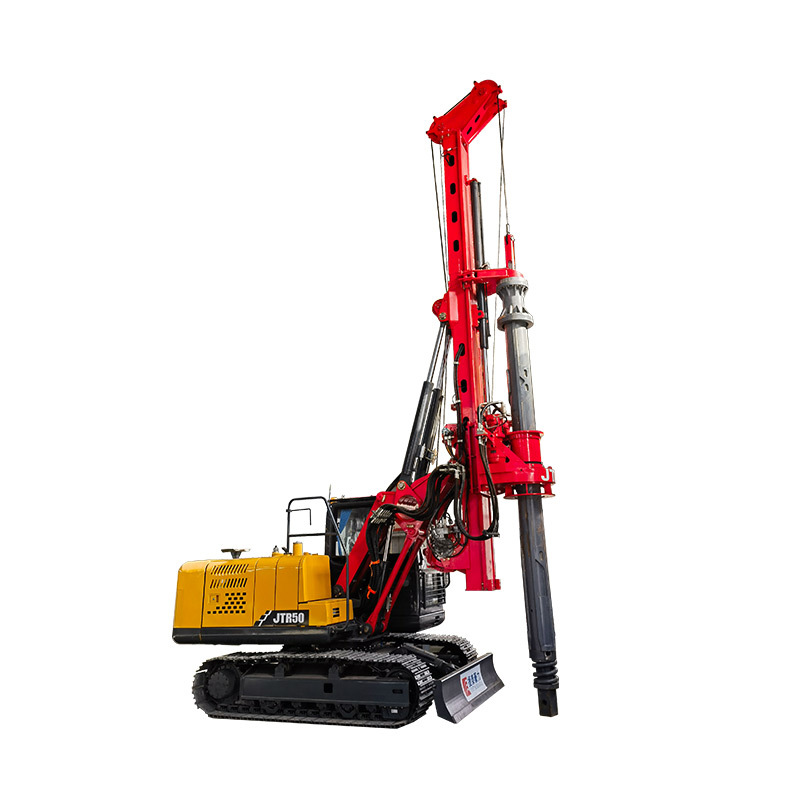
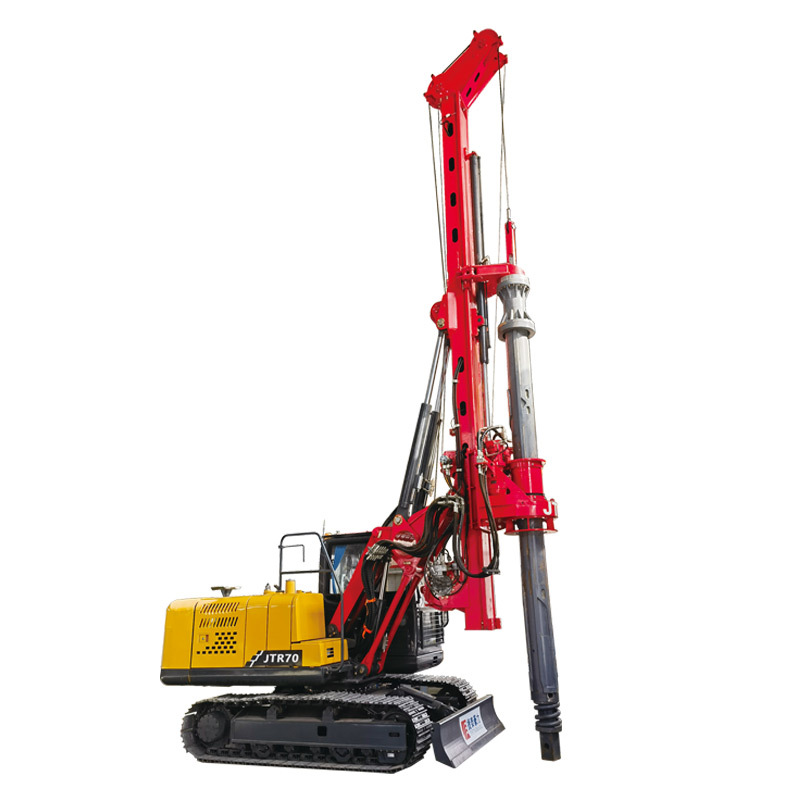
Friction type drill pipe

Business consulting:
Manufacturer: Shandong Jietai Haoli Machinery Equipment Co., Ltd.
Address: Nanchai industrial park, Hualong Town, Shouguang city, Shandong province
Business License
Copyright©2024 Shandong Jietai Haili Machinery Equipment Co., Ltd.