
16
2026
-
08
Understanding Composite Pressurized Drill Pipes: Innovations in Engineering and Construction
In the ever-evolving landscape of manufacturing and construction machinery, composite pressurized drill pipes have emerged as a critical innovation, significantly impacting drilling operations in various sectors. These advanced pipes are engineered from composite materials, offering a unique blend of strength, lightweight characteristics, and resistance to corrosion. Understanding their properties

In the ever-evolving landscape of manufacturing and construction machinery, composite pressurized drill pipes have emerged as a critical innovation, significantly impacting drilling operations in various sectors. These advanced pipes are engineered from composite materials, offering a unique blend of strength, lightweight characteristics, and resistance to corrosion. Understanding their properties and benefits is essential for professionals involved in engineering and construction machinery.
Composite pressurized drill pipes are primarily made from a combination of high-strength fibers and resins. This composite structure provides superior tensile strength and stiffness compared to conventional steel drill pipes, making them ideal for high-pressure applications. The lightweight nature of these pipes not only facilitates easier handling and installation but also reduces the overall energy consumption during transportation and operation. Consequently, this can lead to cost savings and improved efficiency for projects requiring extensive drilling.
One of the most significant advantages of composite pressurized drill pipes lies in their resistance to corrosion and wear. Traditional metal drill pipes are susceptible to degradation from harsh environmental conditions, which can lead to increased maintenance costs and downtime. In contrast, composite materials exhibit exceptional resistance to various chemicals and environmental factors, ensuring a longer lifespan and reliability in challenging conditions. This durability is particularly advantageous in industries such as oil and gas, mining, and geothermal drilling, where the pipes are frequently exposed to corrosive substances.
Additionally, composite materials can be engineered to include specific features such as thermal insulation or enhanced impact resistance, further expanding their applicability in specialized drilling scenarios. As research and development in composite technology continue to advance, the versatility of these drill pipes is expected to increase, paving the way for more innovative applications in engineering and construction machinery.
For professionals in the manufacturing sector, staying informed about the latest advancements in composite pressurized drill pipes is crucial. Understanding their benefits can aid in making informed decisions regarding equipment selection and project planning. Moreover, as industries increasingly focus on sustainability and efficiency, embracing composite materials can position companies as leaders in innovation and environmental responsibility.
In summary, composite pressurized drill pipes represent a significant advancement in drilling technology, offering numerous advantages over traditional materials. Their lightweight, durable, and corrosion-resistant properties make them an attractive option for various applications in engineering and construction machinery. As the industry continues to evolve, investing in composite technology may prove essential for maintaining competitive advantages and operational efficiency.
Composite pressurized drill pipes are primarily made from a combination of high-strength fibers and resins. This composite structure provides superior tensile strength and stiffness compared to conventional steel drill pipes, making them ideal for high-pressure applications. The lightweight nature of these pipes not only facilitates easier handling and installation but also reduces the overall energy consumption during transportation and operation. Consequently, this can lead to cost savings and improved efficiency for projects requiring extensive drilling.
One of the most significant advantages of composite pressurized drill pipes lies in their resistance to corrosion and wear. Traditional metal drill pipes are susceptible to degradation from harsh environmental conditions, which can lead to increased maintenance costs and downtime. In contrast, composite materials exhibit exceptional resistance to various chemicals and environmental factors, ensuring a longer lifespan and reliability in challenging conditions. This durability is particularly advantageous in industries such as oil and gas, mining, and geothermal drilling, where the pipes are frequently exposed to corrosive substances.
Additionally, composite materials can be engineered to include specific features such as thermal insulation or enhanced impact resistance, further expanding their applicability in specialized drilling scenarios. As research and development in composite technology continue to advance, the versatility of these drill pipes is expected to increase, paving the way for more innovative applications in engineering and construction machinery.
For professionals in the manufacturing sector, staying informed about the latest advancements in composite pressurized drill pipes is crucial. Understanding their benefits can aid in making informed decisions regarding equipment selection and project planning. Moreover, as industries increasingly focus on sustainability and efficiency, embracing composite materials can position companies as leaders in innovation and environmental responsibility.
In summary, composite pressurized drill pipes represent a significant advancement in drilling technology, offering numerous advantages over traditional materials. Their lightweight, durable, and corrosion-resistant properties make them an attractive option for various applications in engineering and construction machinery. As the industry continues to evolve, investing in composite technology may prove essential for maintaining competitive advantages and operational efficiency.
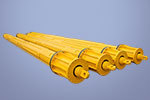
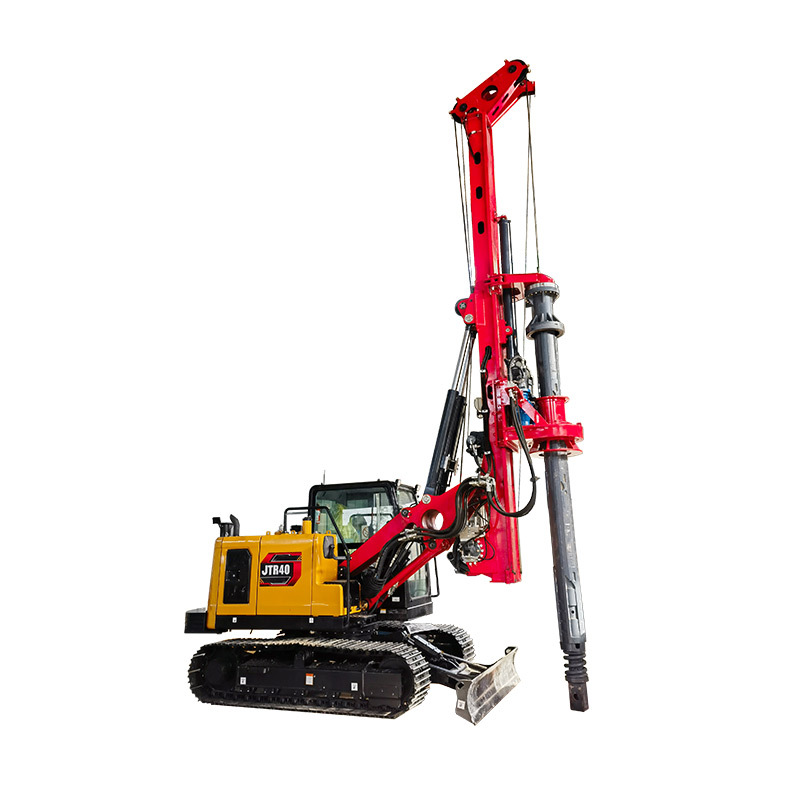
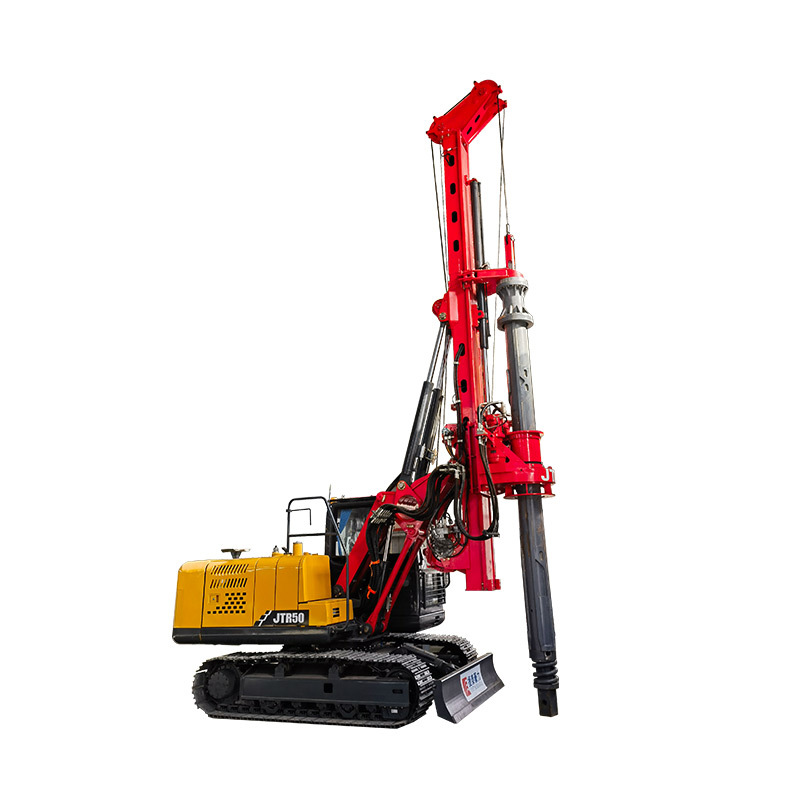
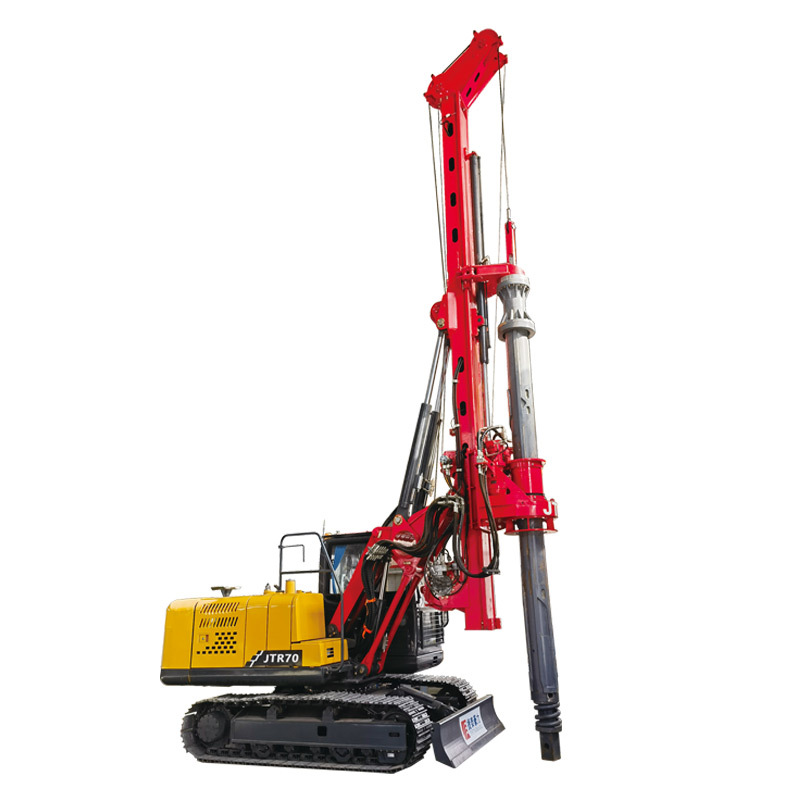
Composite pressurized drill pipe

Business consulting:
Manufacturer: Shandong Jietai Haoli Machinery Equipment Co., Ltd.
Address: Nanchai industrial park, Hualong Town, Shouguang city, Shandong province
Business License
Copyright©2024 Shandong Jietai Haili Machinery Equipment Co., Ltd.