
19
2026
-
08
How to Choose the Right Hydraulic Piling Drilling Rig for Your Project
How to Choose the Right Hydraulic Piling Drilling Rig for Your Project Choosing the appropriate hydraulic piling drilling rig for your project can significantly impact the overall success of your construction efforts. With various options available, understanding the critical factors that influence your decision is essential. This article serves as an extensive guide, covering everything you need

How to Choose the Right Hydraulic Piling Drilling Rig for Your Project
Choosing the appropriate hydraulic piling drilling rig for your project can significantly impact the overall success of your construction efforts. With various options available, understanding the critical factors that influence your decision is essential. This article serves as an extensive guide, covering everything you need to know about selecting the right hydraulic piling drilling rig for your project.
Table of Contents
- Understanding Your Project Needs
- Types of Hydraulic Piling Drilling Rigs
- Evaluating Rig Capabilities and Specifications
- Considering Soil Conditions and Site Constraints
- Budgeting for Your Project
- Safety Considerations
- Maintenance and Support
- Making the Final Decision
- FAQs
Understanding Your Project Needs
The first step in selecting a hydraulic piling drilling rig is to assess your specific project requirements. This involves determining the type of foundation needed, the depth of the piles, and the volume of work involved. Different projects will require different types of rigs; understanding these factors will help narrow down your options.
**Key Questions to Consider:**
- What type of structure are you building?
- How deep do you need to drill?
- What is the required load-bearing capacity of the piles?
- What is the timeline for project completion?
By clearly defining your project needs, you can effectively match them with the capabilities of various hydraulic piling drilling rigs available on the market.
Types of Hydraulic Piling Drilling Rigs
There are several types of hydraulic piling drilling rigs designed for different applications. Understanding each type will help you select the rig that best fits your project.
1. Rotary Drills
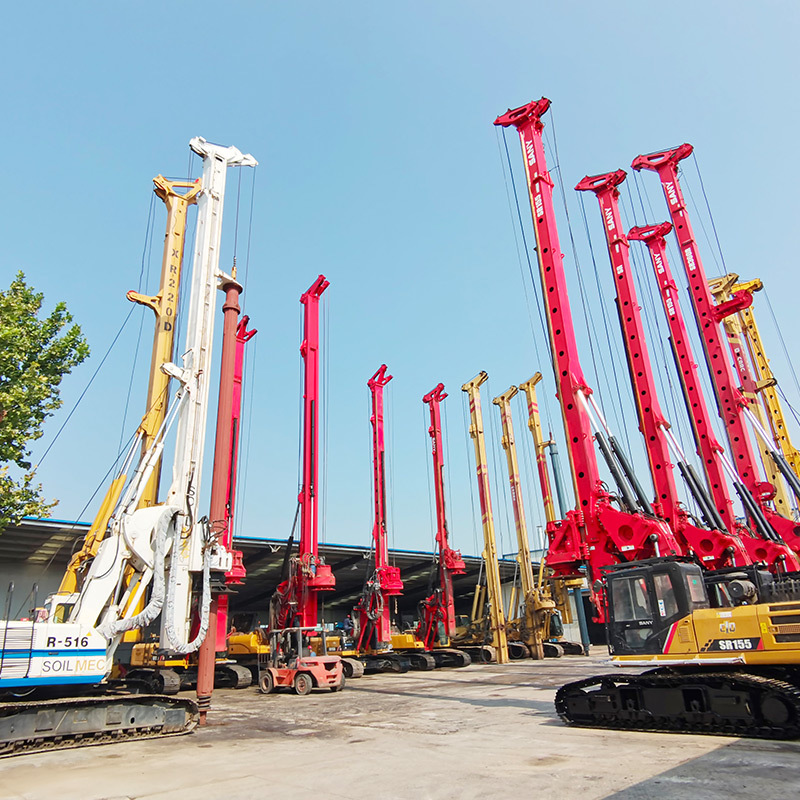
Rotary drills utilize a rotating drill bit to penetrate the ground. They are versatile and can handle various soil conditions, making them suitable for many projects.
2. Continuous Flight Auger (CFA) Drills
CFA drills continuously extract soil while injecting concrete simultaneously. This method is efficient for constructing deep foundations and is often used in urban environments due to its lower noise levels.
3. Vibratory Hammers
Vibratory hammers are used to drive piles into the ground by vibrating them downwards. They are effective in soft soil conditions and are often used in marine projects.
4. Impact Hammers
Impact hammers deliver a powerful blow to the pile, driving it into the ground. They are usually employed in hard soil conditions and are effective for deep foundation work.
Evaluating Rig Capabilities and Specifications
Once you have identified the type of rig suitable for your project, it’s crucial to evaluate the specific capabilities and specifications of potential rigs.
1. Drilling Depth and Diameter
Ensure that the rig can accommodate the required drilling depth and diameter for your project. Different rigs have varying capacities, so this is a pivotal factor in your decision-making process.
2. Power and Performance
Assess the rig's power output and performance metrics. A rig with higher power may be necessary for challenging soil conditions or deeper drilling requirements.
3. Mobility and Size
Consider the mobility and size of the rig. Compact rigs may be better suited for confined job sites, while larger rigs might be necessary for extensive and open projects.
Considering Soil Conditions and Site Constraints
The soil type and site constraints play a significant role in determining the best hydraulic piling drilling rig for your project.
1. Soil Composition
Understanding the soil composition—such as clay, sand, or rocky terrain—will influence the type of rig you choose. Different rigs excel in different soil types, so it's essential to match the rig capabilities with the soil conditions.
2. Groundwater Levels
Consider the groundwater levels at your site. High groundwater levels may require specific rig features or techniques to ensure effective drilling.
3. Access and Space Limitations
Evaluate the accessibility of your construction site. Narrow streets or limited space may necessitate smaller, more maneuverable rigs.
Budgeting for Your Project
Establishing a budget is crucial when selecting a hydraulic piling drilling rig. Here are some key financial considerations to keep in mind:
1. Initial Costs
Assess the initial purchase or rental costs of the rig. Weigh the benefits of investing in a new rig versus renting for short-term projects.
2. Operational Costs
Take into account operational costs, including fuel, maintenance, and labor. Rigs that are more efficient may save money in the long run.
3. Potential Downtime
Consider the potential for downtime and how it could impact your project timeline. Selecting a reliable rig with lower failure rates can minimize delays.
Safety Considerations
Safety should always be a top priority when selecting equipment for construction projects.
1. Rig Safety Features
Investigate the safety features of the rig, such as emergency shut-offs, stability measures, and operator protection systems.
2. Operator Training and Certification
Ensure that operators are adequately trained and certified to use the rig. Proper training can significantly reduce the risk of accidents on-site.
3. Compliance with Regulations
Confirm that the rig complies with local and national safety regulations. Adhering to these regulations helps ensure a safe working environment for all personnel involved in the project.
Maintenance and Support
Selecting a rig is not just about its capabilities; it's also vital to consider maintenance and support options.
1. Availability of Parts
Research the availability of replacement parts for the rig. Equipment that requires rare parts can lead to extended downtimes.
2. Maintenance Services
Explore the maintenance services offered by the manufacturer or dealer. Regular maintenance is essential for the longevity and performance of your rig.
3. Customer Support
Evaluate the level of customer support provided. A manufacturer or dealer with reliable customer service can assist you in resolving issues quickly.
Making the Final Decision
Once you've gathered all the necessary information, it’s time to make a decision. Create a comparison chart of the rigs you are considering, weighing their pros and cons based on the criteria discussed.
1. Consult with Experts
Consulting with industry experts or engineers can provide valuable insights and help you finalize your decision.
2. Review Case Studies
Look for case studies or testimonials from other projects using similar rigs. Real-world experiences can provide perspective on the rig's performance and reliability.
3. Trust Your Instincts
Finally, trust your instincts. If a rig feels right for your project and meets all your needs, it’s likely the right choice.
FAQs
1. What factors should I consider when choosing a hydraulic piling drilling rig?
You should consider project needs, soil conditions, rig specifications, budget, safety features, maintenance, and support options.
2. Can I rent a hydraulic piling drilling rig?
Yes, many companies offer rental options for hydraulic piling drilling rigs, which may be a cost-effective solution for short-term projects.
3. How important is operator training for using hydraulic drilling rigs?
Operator training is crucial for ensuring safety and efficiency. Trained operators are better equipped to handle the rig and minimize risks on-site.
4. What are the typical maintenance requirements for hydraulic piling drilling rigs?
Routine checks on hydraulic systems, mechanical components, and safety features are essential. Following the manufacturer's maintenance guidelines will ensure optimal performance.
5. How can I ensure the chosen rig meets safety regulations?
Verify that the rig complies with local and national safety standards, and consult with safety experts to ensure all protocols are followed.
Conclusion
Choosing the right hydraulic piling drilling rig is a multifaceted decision that requires careful consideration of various factors. By understanding your project needs, evaluating rig types and specifications, and considering soil conditions and budget constraints, you can make an informed choice. Prioritizing safety and maintenance will further enhance your project’s success. By following this comprehensive guide, you can ensure that you select the best hydraulic piling drilling rig for your specific project requirements, leading to a successful and efficient construction process.
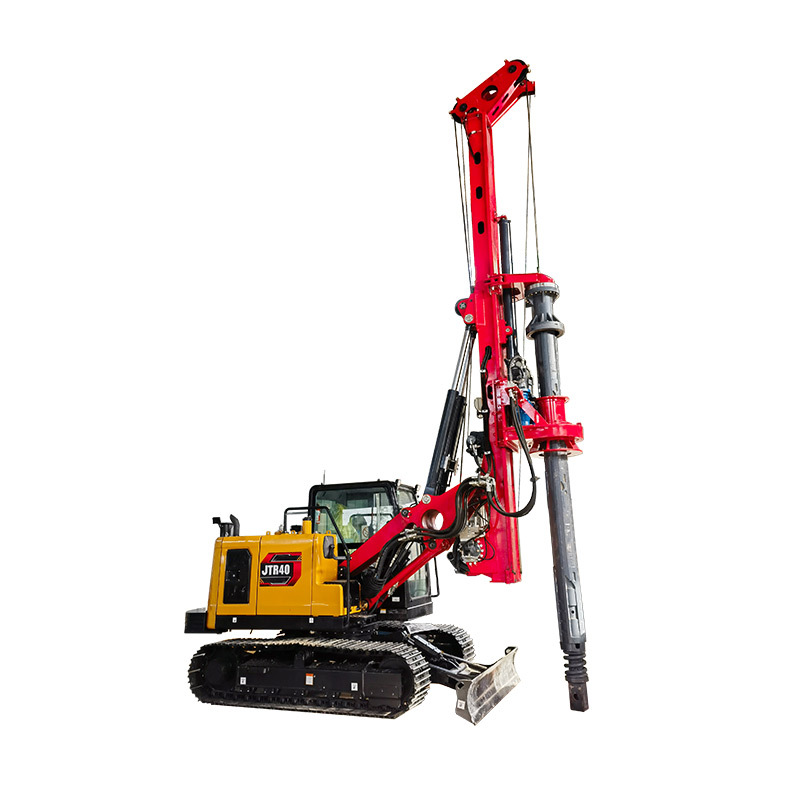
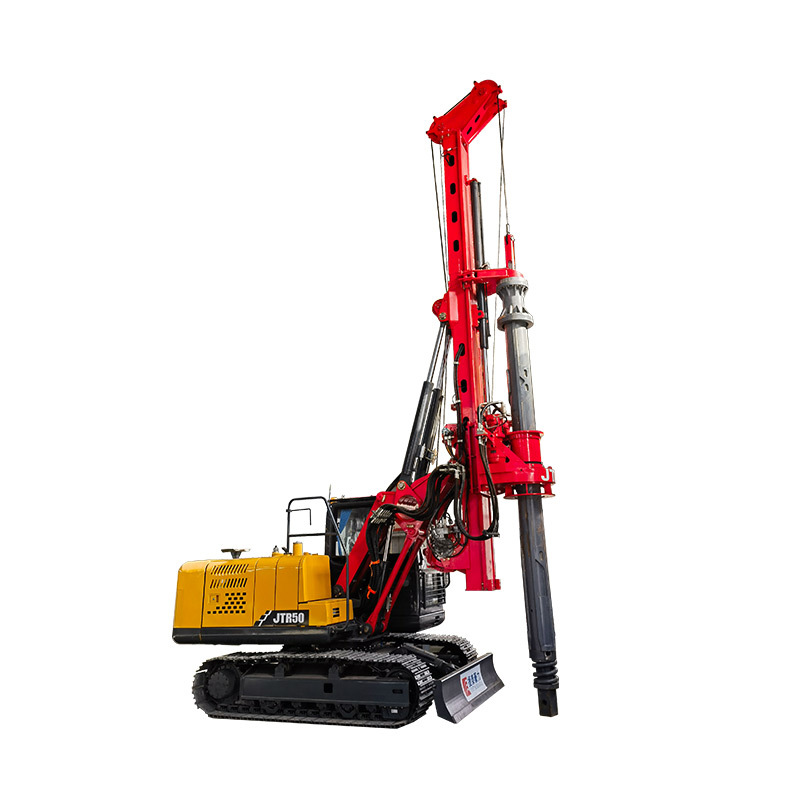
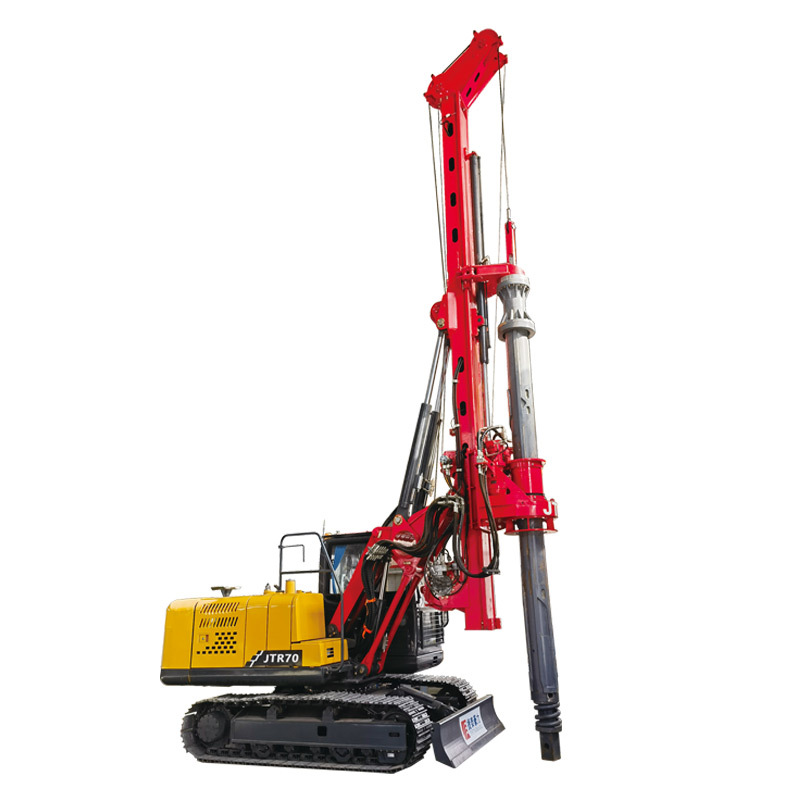
hydraulic piling drilling rig

Business consulting:
Manufacturer: Shandong Jietai Haoli Machinery Equipment Co., Ltd.
Address: Nanchai industrial park, Hualong Town, Shouguang city, Shandong province
Business License
Copyright©2024 Shandong Jietai Haili Machinery Equipment Co., Ltd.