
20
2026
-
08
Understanding Friction Type Drill Pipes: Essential Insights for Engineering Applications
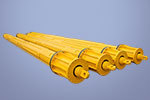
Friction type drill pipes are a crucial component in the realm of drilling operations, particularly in the exploration and extraction industries. These pipes are designed to transfer torque and tension during the drilling process, ensuring stability and efficiency. Understanding the mechanics behind friction type drill pipes can significantly enhance the operational performance of drilling rigs, m

Friction type drill pipes are a crucial component in the realm of drilling operations, particularly in the exploration and extraction industries. These pipes are designed to transfer torque and tension during the drilling process, ensuring stability and efficiency. Understanding the mechanics behind friction type drill pipes can significantly enhance the operational performance of drilling rigs, making it essential for professionals in the engineering and construction fields to grasp their use and functionality.
The primary characteristic of friction type drill pipes is their ability to utilize friction to maintain a secure connection between the drill bit and the drilling rig. This is achieved through a specific design that includes a series of helical grooves or threads along the pipe’s exterior. These features allow for increased surface area contact, enhancing the grip and reducing the likelihood of slippage during drilling operations. The result is a more controlled and effective drilling process, which is vital when working in challenging geological conditions.
In addition to their structural design, friction type drill pipes are often constructed from high-grade materials that can withstand extreme pressures and temperatures encountered during drilling. These materials not only provide strength and durability but also ensure longevity, reducing the frequency of replacements and the associated downtime in drilling activities. It is imperative for manufacturers to focus on the quality of materials used in production to guarantee that these pipes meet the rigorous demands of the industry.
Moreover, friction type drill pipes allow for efficient transmission of hydraulic energy, which is essential for maintaining the necessary drilling parameters. By understanding the relationship between drill pipe design and drilling efficiency, engineers can optimize their drilling programs, leading to enhanced productivity and reduced operational costs.
When selecting friction type drill pipes for a specific project, it is important to consider factors such as the drilling environment, the type of materials being drilled, and the overall design of the drilling rig. These considerations will ensure that the chosen pipes are well-suited to the task at hand, maximizing their effectiveness and minimizing potential issues during operation.
In conclusion, friction type drill pipes are indispensable in the manufacturing and construction machinery sectors, playing a vital role in drilling efficiency and overall project success. By deepening your understanding of their design and functionality, you can make informed decisions that enhance the performance of drilling operations. Whether you are involved in exploration, construction, or manufacturing, a thorough knowledge of friction type drill pipes will undoubtedly benefit your engineering projects.
The primary characteristic of friction type drill pipes is their ability to utilize friction to maintain a secure connection between the drill bit and the drilling rig. This is achieved through a specific design that includes a series of helical grooves or threads along the pipe’s exterior. These features allow for increased surface area contact, enhancing the grip and reducing the likelihood of slippage during drilling operations. The result is a more controlled and effective drilling process, which is vital when working in challenging geological conditions.
In addition to their structural design, friction type drill pipes are often constructed from high-grade materials that can withstand extreme pressures and temperatures encountered during drilling. These materials not only provide strength and durability but also ensure longevity, reducing the frequency of replacements and the associated downtime in drilling activities. It is imperative for manufacturers to focus on the quality of materials used in production to guarantee that these pipes meet the rigorous demands of the industry.
Moreover, friction type drill pipes allow for efficient transmission of hydraulic energy, which is essential for maintaining the necessary drilling parameters. By understanding the relationship between drill pipe design and drilling efficiency, engineers can optimize their drilling programs, leading to enhanced productivity and reduced operational costs.
When selecting friction type drill pipes for a specific project, it is important to consider factors such as the drilling environment, the type of materials being drilled, and the overall design of the drilling rig. These considerations will ensure that the chosen pipes are well-suited to the task at hand, maximizing their effectiveness and minimizing potential issues during operation.
In conclusion, friction type drill pipes are indispensable in the manufacturing and construction machinery sectors, playing a vital role in drilling efficiency and overall project success. By deepening your understanding of their design and functionality, you can make informed decisions that enhance the performance of drilling operations. Whether you are involved in exploration, construction, or manufacturing, a thorough knowledge of friction type drill pipes will undoubtedly benefit your engineering projects.
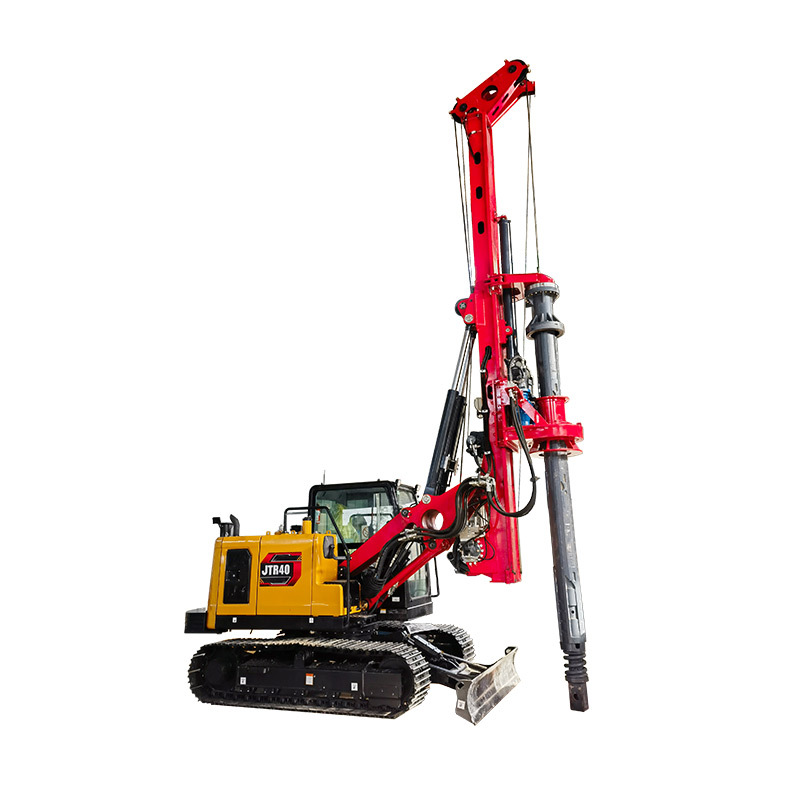
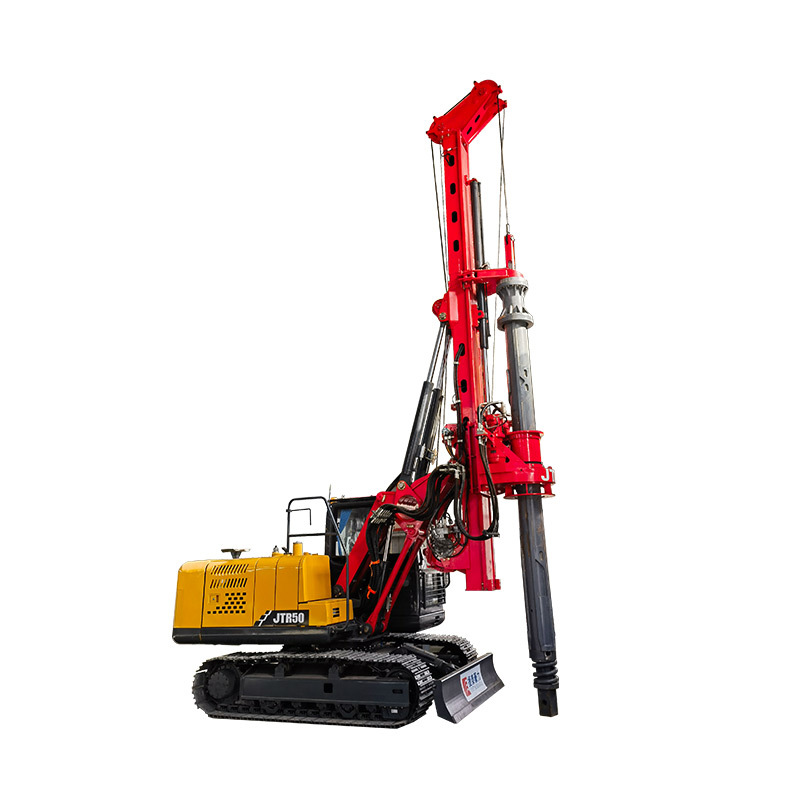
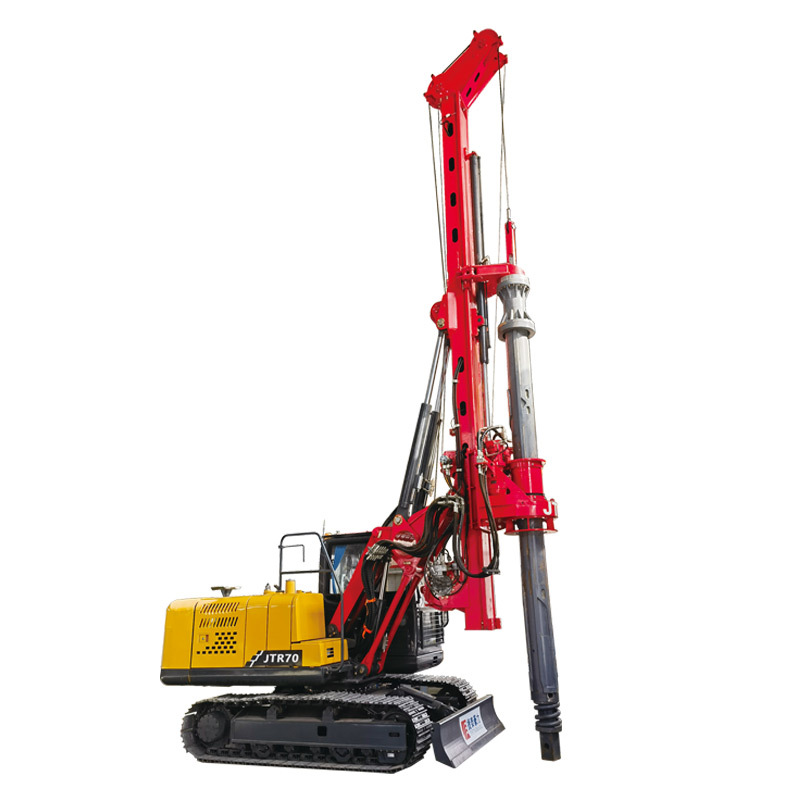
Friction type drill pipe

Business consulting:
Manufacturer: Shandong Jietai Haoli Machinery Equipment Co., Ltd.
Address: Nanchai industrial park, Hualong Town, Shouguang city, Shandong province
Business License
Copyright©2024 Shandong Jietai Haili Machinery Equipment Co., Ltd.