
25
2026
-
08
Friction Type Drill Pipe: Essential Components and Their Impact on Pipeline Construction
Friction Type Drill Pipe and Its Role in Pipeline Construction In the realm of pipeline construction, the efficiency and safety of drilling operations are paramount. One key component that significantly contributes to these objectives is the friction type drill pipe. This article delves into the intricate details of friction type drill pipes, examining their design, applications, and impact on the

Friction Type Drill Pipe and Its Role in Pipeline Construction
In the realm of pipeline construction, the efficiency and safety of drilling operations are paramount. One key component that significantly contributes to these objectives is the friction type drill pipe. This article delves into the intricate details of friction type drill pipes, examining their design, applications, and impact on the pipeline construction industry.
Understanding Friction Type Drill Pipes
Friction type drill pipes are specialized tools used extensively in the drilling process of pipeline construction. Unlike conventional drill pipes, these pipes utilize friction to transmit torque and facilitate the rotation of the drill bit. Their unique design allows for better control and efficiency when drilling through various soil types and geological formations.
The Mechanics Behind Friction Type Drill Pipes
Friction type drill pipes function based on the principle of frictional resistance. When torque is applied, the friction between the drill pipe and the surrounding soil allows the drill bit to penetrate deeper. This mechanism not only enhances the drilling speed but also minimizes wear and tear on the drill components, thereby extending their operational lifespan.
Design and Construction of Friction Type Drill Pipes
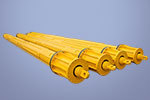
The design of friction type drill pipes incorporates high-strength materials that can withstand extreme conditions. Typically manufactured from advanced alloys, these pipes are engineered to resist bending and twisting forces. The threaded connections at both ends of the pipe ensure a secure coupling with other drilling components, allowing for seamless operation.
Applications of Friction Type Drill Pipes in Pipeline Construction
Friction type drill pipes find extensive applications in various pipeline construction scenarios. Their versatility makes them ideal for a range of projects, from urban infrastructure to large-scale industrial applications.
Urban Pipeline Projects
In urban settings, where space is limited and drilling conditions can be unpredictable, friction type drill pipes excel. Their ability to operate efficiently in confined areas allows for the installation of pipelines for water, gas, and sewage systems without significant disruption to existing infrastructure.
Industrial Pipeline Installations
For large-scale industrial projects, such as oil and gas pipelines, friction type drill pipes are indispensable. They enable the rapid installation of pipelines in challenging terrains, including rocky landscapes and deep-water environments. The increased drilling speed provided by these pipes directly translates to reduced project timelines and costs.
The Advantages of Using Friction Type Drill Pipes
The adoption of friction type drill pipes in pipeline construction offers numerous benefits that enhance operational efficiency and safety.
Increased Efficiency
One of the primary advantages of friction type drill pipes is their ability to increase drilling efficiency. The friction mechanism allows for faster penetration rates, reducing the amount of time required for drilling operations. This efficiency can lead to significant cost savings for construction projects.
Reduced Wear and Tear
Friction type drill pipes are designed to withstand harsh drilling conditions, resulting in reduced wear and tear. The high-strength materials used in their construction help maintain the integrity of the pipes, minimizing the frequency of replacements and repairs.
Enhanced Safety Features
Safety is a critical consideration in any construction project. Friction type drill pipes contribute to enhanced safety by providing better control during drilling operations. Their design minimizes the risk of equipment failure, which can lead to accidents and delays in construction timelines.
Challenges and Considerations in Using Friction Type Drill Pipes
While friction type drill pipes offer numerous advantages, it is essential to recognize the challenges associated with their use in pipeline construction.
Soil and Geological Factors
The performance of friction type drill pipes can be influenced by the soil and geological formations encountered during drilling. Different soil types may require specific techniques or adjustments in drilling parameters to optimize efficiency.
Skill and Training Requirements
Operating friction type drill pipes requires skilled personnel who understand the intricacies of the equipment and the drilling process. Proper training is essential to ensure that operators can effectively utilize the pipes while maintaining safety standards.
Future Trends in Friction Type Drill Pipe Technology
The pipeline construction industry is continually evolving, and friction type drill pipe technology is no exception. Emerging trends indicate a shift toward more advanced materials and designs that further enhance performance and efficiency.
Smart Drill Pipe Technology
One of the most promising developments is the integration of smart technology into friction type drill pipes. Sensors embedded within the pipes can monitor drilling parameters in real-time, providing operators with valuable data to optimize performance and predict maintenance needs.
Sustainability Considerations
As environmental concerns become increasingly prominent, the pipeline construction industry is exploring more sustainable practices. Future developments in friction type drill pipes may involve the use of eco-friendly materials and designs that reduce environmental impact while maintaining performance standards.
Frequently Asked Questions (FAQs)
1. What is the primary function of friction type drill pipes?
The primary function of friction type drill pipes is to facilitate the drilling process by using friction to transmit torque, allowing for efficient penetration through various soil types.
2. How do friction type drill pipes differ from traditional drill pipes?
Friction type drill pipes utilize a friction mechanism to enhance drilling efficiency, while traditional drill pipes rely primarily on direct torque transmission.
3. What materials are commonly used in the construction of friction type drill pipes?
Friction type drill pipes are typically constructed from high-strength alloys designed to withstand extreme conditions and reduce wear and tear.
4. Can friction type drill pipes be used in all soil types?
While friction type drill pipes are versatile, their performance may vary depending on the soil type and geological conditions. Adjustments in drilling techniques may be required for optimal efficiency.
5. What advancements are being made in friction type drill pipe technology?
Future advancements include the integration of smart technology for real-time monitoring and the development of sustainable materials to reduce environmental impact.
Conclusion
Friction type drill pipes play an indispensable role in the pipeline construction industry. Their unique design and efficient operation significantly enhance drilling processes, ultimately leading to faster project completions and improved safety. As technology continues to advance, the future of friction type drill pipes looks promising, with innovations poised to further streamline pipeline construction. By understanding the benefits and challenges associated with these essential tools, industry professionals can optimize their use for successful drilling operations.
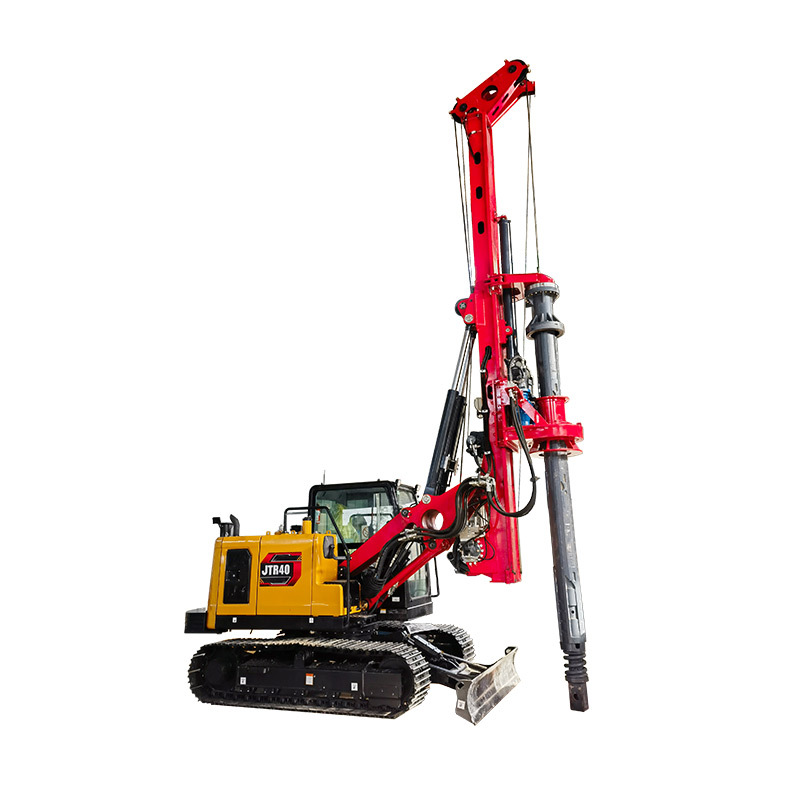
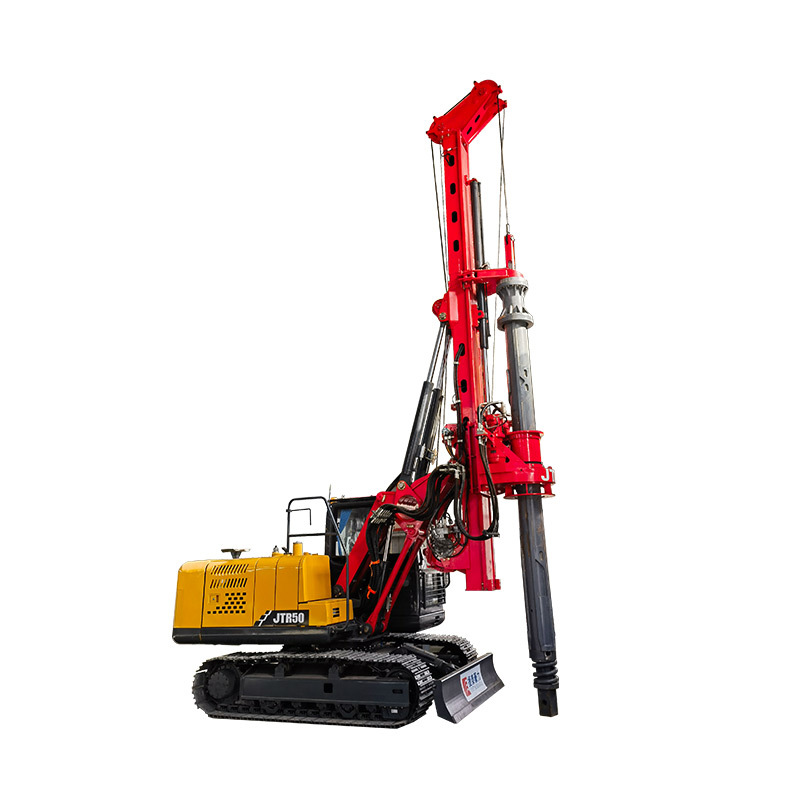
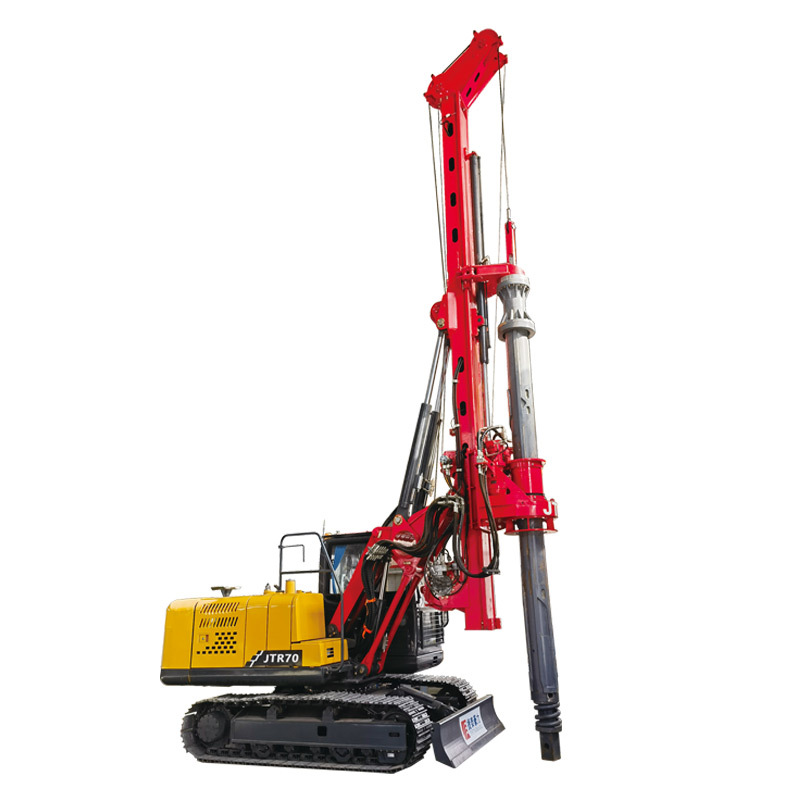
Friction type drill pipe

Business consulting:
Manufacturer: Shandong Jietai Haoli Machinery Equipment Co., Ltd.
Address: Nanchai industrial park, Hualong Town, Shouguang city, Shandong province
Copyright©2024 Shandong Jietai Haili Machinery Equipment Co., Ltd.