
26
2026
-
08
Unlocking the Future of Drilling: The Advantages of Composite Pressurized Drill Pipe
Composite pressurized drill pipes are engineered to meet the demanding requirements of modern drilling operations. These pipes are constructed using advanced composite materials that combine the strength of metals with the lightweight characteristics of polymers. This results in a product that not only enhances performance but also reduces operational costs in various engineering and construction

Composite pressurized drill pipes are engineered to meet the demanding requirements of modern drilling operations. These pipes are constructed using advanced composite materials that combine the strength of metals with the lightweight characteristics of polymers. This results in a product that not only enhances performance but also reduces operational costs in various engineering and construction applications.
One of the primary advantages of composite pressurized drill pipes is their superior strength-to-weight ratio. Unlike traditional steel pipes, composite materials allow for lighter constructions without compromising on durability. This lightness translates to reduced energy consumption during drilling operations, as lighter pipes require less force to maneuver. Consequently, operators can achieve greater efficiency on-site, accelerating project timelines and optimizing resource use.
Another key benefit is the corrosion resistance of composite materials. Traditional steel drill pipes are susceptible to corrosion, which can lead to increased maintenance costs and operational downtime. In contrast, composite pressurized drill pipes can withstand harsh environmental conditions, including exposure to chemicals and moisture, ensuring a longer lifespan and reliability in various drilling environments. This resilience not only mitigates maintenance requirements but also enhances overall safety since the risk of failure is significantly reduced.
Furthermore, the flexibility of composite materials allows for innovative designs. Engineers can develop drill pipes that are tailored to specific drilling conditions, enhancing their performance in challenging geological formations. This customization can lead to improved penetration rates and reduced wear and tear on the equipment, ultimately resulting in cost savings for engineering and construction projects.
However, while the benefits of composite pressurized drill pipes are substantial, it is essential to consider the initial investment and technical expertise required for their implementation. Companies must ensure that their workforce is trained to handle these advanced materials and understand their unique properties. Additionally, collaboration with experienced suppliers can facilitate the integration of composite technology into existing drilling operations.
In conclusion, the adoption of composite pressurized drill pipes presents a transformative opportunity for the engineering and construction machinery industry. Their lightweight nature, corrosion resistance, and design flexibility position them as a superior alternative to traditional steel pipes. By embracing this innovation, companies can enhance operational efficiency, ensure safety, and ultimately drive project success in an increasingly competitive market. As the industry continues to evolve, staying abreast of such advancements will be key to maintaining a competitive edge.
One of the primary advantages of composite pressurized drill pipes is their superior strength-to-weight ratio. Unlike traditional steel pipes, composite materials allow for lighter constructions without compromising on durability. This lightness translates to reduced energy consumption during drilling operations, as lighter pipes require less force to maneuver. Consequently, operators can achieve greater efficiency on-site, accelerating project timelines and optimizing resource use.
Another key benefit is the corrosion resistance of composite materials. Traditional steel drill pipes are susceptible to corrosion, which can lead to increased maintenance costs and operational downtime. In contrast, composite pressurized drill pipes can withstand harsh environmental conditions, including exposure to chemicals and moisture, ensuring a longer lifespan and reliability in various drilling environments. This resilience not only mitigates maintenance requirements but also enhances overall safety since the risk of failure is significantly reduced.
Furthermore, the flexibility of composite materials allows for innovative designs. Engineers can develop drill pipes that are tailored to specific drilling conditions, enhancing their performance in challenging geological formations. This customization can lead to improved penetration rates and reduced wear and tear on the equipment, ultimately resulting in cost savings for engineering and construction projects.
However, while the benefits of composite pressurized drill pipes are substantial, it is essential to consider the initial investment and technical expertise required for their implementation. Companies must ensure that their workforce is trained to handle these advanced materials and understand their unique properties. Additionally, collaboration with experienced suppliers can facilitate the integration of composite technology into existing drilling operations.
In conclusion, the adoption of composite pressurized drill pipes presents a transformative opportunity for the engineering and construction machinery industry. Their lightweight nature, corrosion resistance, and design flexibility position them as a superior alternative to traditional steel pipes. By embracing this innovation, companies can enhance operational efficiency, ensure safety, and ultimately drive project success in an increasingly competitive market. As the industry continues to evolve, staying abreast of such advancements will be key to maintaining a competitive edge.
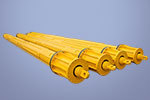
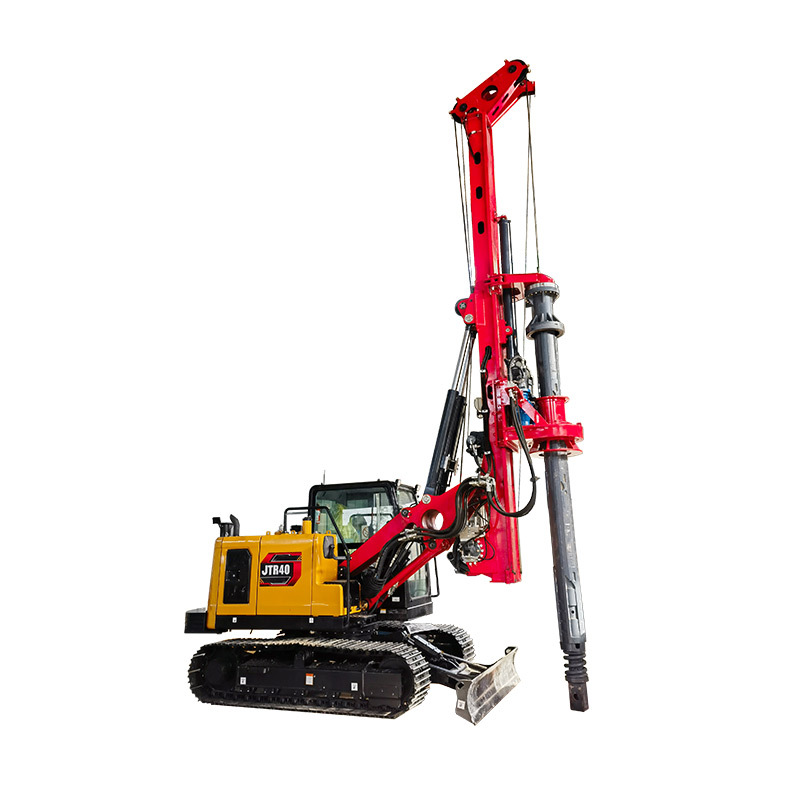
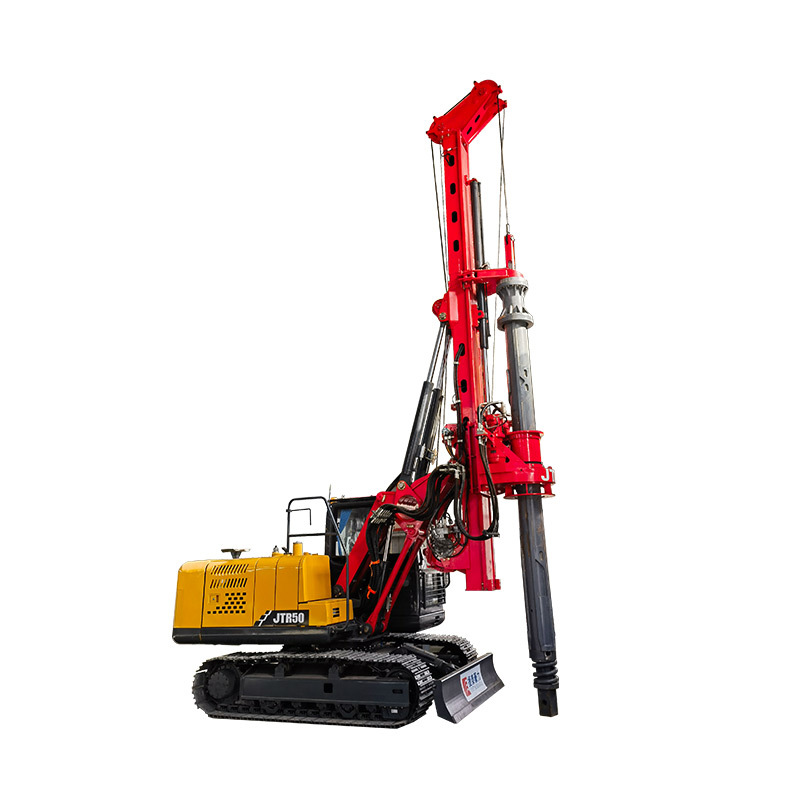
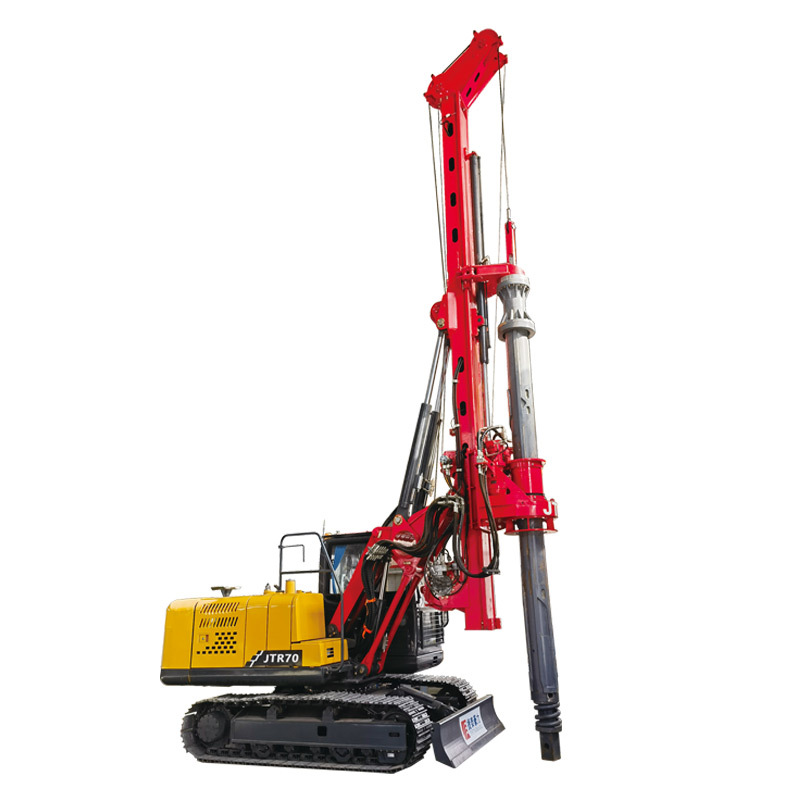
Composite pressurized drill pipe

Business consulting:
Manufacturer: Shandong Jietai Haoli Machinery Equipment Co., Ltd.
Address: Nanchai industrial park, Hualong Town, Shouguang city, Shandong province
Business License
Copyright©2024 Shandong Jietai Haili Machinery Equipment Co., Ltd.