
24
2026
-
07
Top Features to Look for in a Drilling Rig for Foundation Piling
Top Features to Look for in a Drilling Rig for Foundation Piling Foundation piling is a critical aspect of construction that lays the groundwork for the entire structure. Choosing the right drilling rig is essential to ensure stability, safety, and efficiency in your project. In this guide, we will delve into the top features to consider when selecting a drilling rig for foundation piling. From hy

Top Features to Look for in a Drilling Rig for Foundation Piling
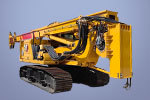
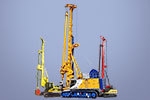
Foundation piling is a critical aspect of construction that lays the groundwork for the entire structure. Choosing the right drilling rig is essential to ensure stability, safety, and efficiency in your project. In this guide, we will delve into the top features to consider when selecting a drilling rig for foundation piling. From hydraulic performance to safety standards, we aim to equip you with the knowledge required to make an informed decision.
Table of Contents
- 1. Hydraulic Systems and Power
- 2. Drilling Capacity and Depth
- 3. Mobility and Size Considerations
- 4. Stability and Support Features
- 5. Advanced Technology and Automation
- 6. Safety Features and Compliance
- 7. Training and Technical Support
- 8. Cost-Effectiveness and Budgeting
1. Hydraulic Systems and Power
When evaluating a drilling rig, **hydraulic systems** play a pivotal role in its overall performance. A robust hydraulic system ensures that the rig can deliver the necessary force to penetrate various soil conditions. Look for rigs that feature high-pressure hydraulic systems capable of handling extensive workloads.
Additionally, consider the **power output** of the hydraulic system. The higher the power, the more efficient the drilling process will be. This also affects the speed at which the rig can operate, which is crucial in large-scale projects where time is of the essence.
2. Drilling Capacity and Depth
The **drilling capacity** of a rig is a critical factor that directly influences its utility in foundation piling. Different projects require varying depths and diameters for pilot holes. When selecting a rig, check its specifications to ensure it meets the demands of your specific project.
Most drilling rigs are designed to handle a range of diameters, but the ability to reach significant depths without compromising stability is vital. **Consider rigs that can accommodate deeper drilling requirements**, as this flexibility can save time and resources on future projects.
3. Mobility and Size Considerations
Mobility is another essential feature to consider when selecting a drilling rig for foundation piling. Depending on the project location and site conditions, a rig's size and maneuverability can significantly impact efficiency.
Compact rigs are often easier to transport and set up in confined spaces, making them ideal for urban construction sites. However, larger rigs may offer enhanced power and drilling capabilities. Assess the specific needs of your project to determine the right balance between size and capability.
4. Stability and Support Features
Stability is paramount when using a drilling rig, especially during the critical operation of foundation piling. Look for rigs equipped with robust support features such as **outriggers** and **stabilizers**. These components enhance stability during drilling operations, minimizing the risk of accidents or equipment damage.
Additionally, consider the **weight distribution** of the rig. Proper weight distribution ensures that the rig remains stable during operation, particularly when drilling in challenging soil conditions.
5. Advanced Technology and Automation
In today’s construction landscape, **advanced technology** can significantly enhance the efficiency and accuracy of drilling operations. Look for rigs that incorporate modern technological features such as GPS guidance systems and automated drilling controls. These advancements improve precision in drilling operations, reducing material wastage and ensuring compliance with building specifications.
Furthermore, automation can help reduce labor costs and improve safety on the job site. Rigs that offer remote operation capabilities can minimize the need for personnel to be stationed near drilling operations, lowering the risk of accidents.
6. Safety Features and Compliance
Safety should always be a top priority when selecting a drilling rig. Evaluate the safety features present in the rig, such as emergency shut-off systems, overload protection, and safety interlocks. These features are crucial in preventing accidents and ensuring that the rig operates within safe parameters.
Moreover, ensure that the rig complies with local and international safety standards. Compliance not only ensures a safer work environment but also protects your investment by reducing the likelihood of costly fines or shutdowns due to safety violations.
7. Training and Technical Support
Investing in a drilling rig is a significant commitment, and understanding how to operate it effectively is essential. Many manufacturers offer **training programs** for operators, which can be invaluable in maximizing the rig's performance and ensuring safety.
Additionally, consider the level of technical support provided by the manufacturer. A reliable support system is crucial in ensuring that any issues can be addressed swiftly, minimizing downtime on the job site.
8. Cost-Effectiveness and Budgeting
Finally, consider the overall cost-effectiveness of the drilling rig. While it may be tempting to opt for the lowest price, remember that quality often comes with a higher upfront cost. Evaluate the long-term benefits of investing in a rig with superior features that can save you money on maintenance and operation over time.
Create a budget that accounts for not only the purchase price but also ongoing operational costs, including maintenance, fuel, and potential training for operators. This comprehensive approach will help you make a more informed decision regarding your investment.
Frequently Asked Questions (FAQs)
1. What is the primary purpose of a drilling rig in foundation piling?
The primary purpose of a drilling rig in foundation piling is to create deep holes that support the structural load of buildings and other constructions, thereby ensuring stability and safety.
2. How do I determine the drilling capacity needed for my project?
To determine the required drilling capacity, consider factors such as soil conditions, the depth of the foundation, and the design specifications provided by an engineer.
3. Are there specific safety standards that drilling rigs must meet?
Yes, drilling rigs must adhere to local and international safety standards, which may vary based on the location and type of construction project.
4. What are the advantages of hydraulic systems in drilling rigs?
Hydraulic systems provide the necessary power and force to penetrate various soil types efficiently, enhancing the rig's overall performance and speed.
5. How can advanced technology improve drilling operations?
Advanced technology, such as GPS guidance and automation, enhances precision, reduces labor costs, and improves safety, ultimately leading to more efficient drilling operations.
Conclusion
Selecting the right drilling rig for foundation piling involves careful consideration of various features and specifications. From hydraulic performance to safety measures, each aspect plays a critical role in ensuring the rig’s effectiveness and reliability. By understanding these top features, you can make an informed decision that will contribute to the success of your construction projects.
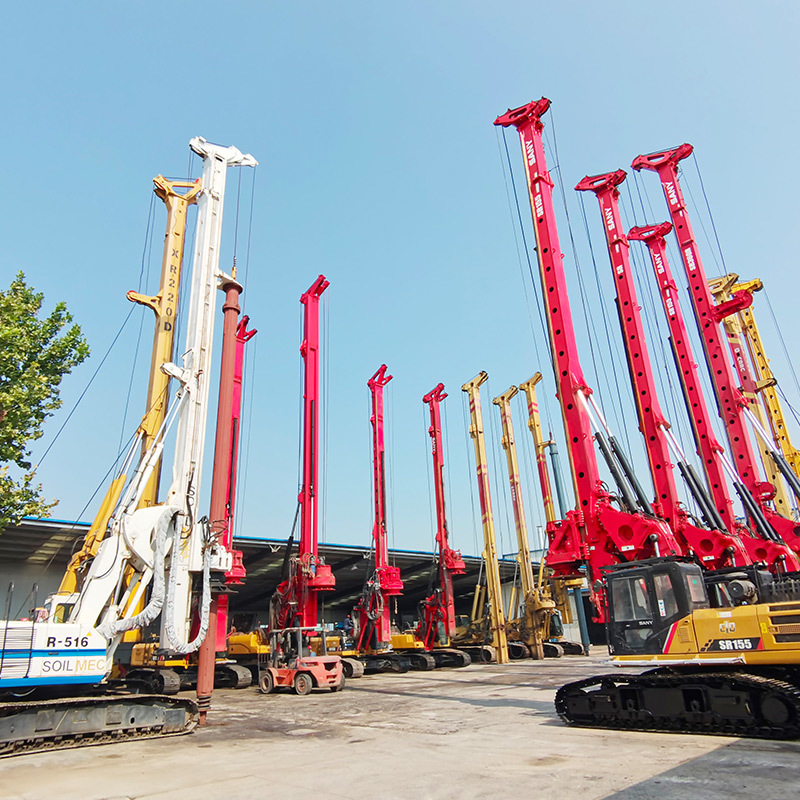
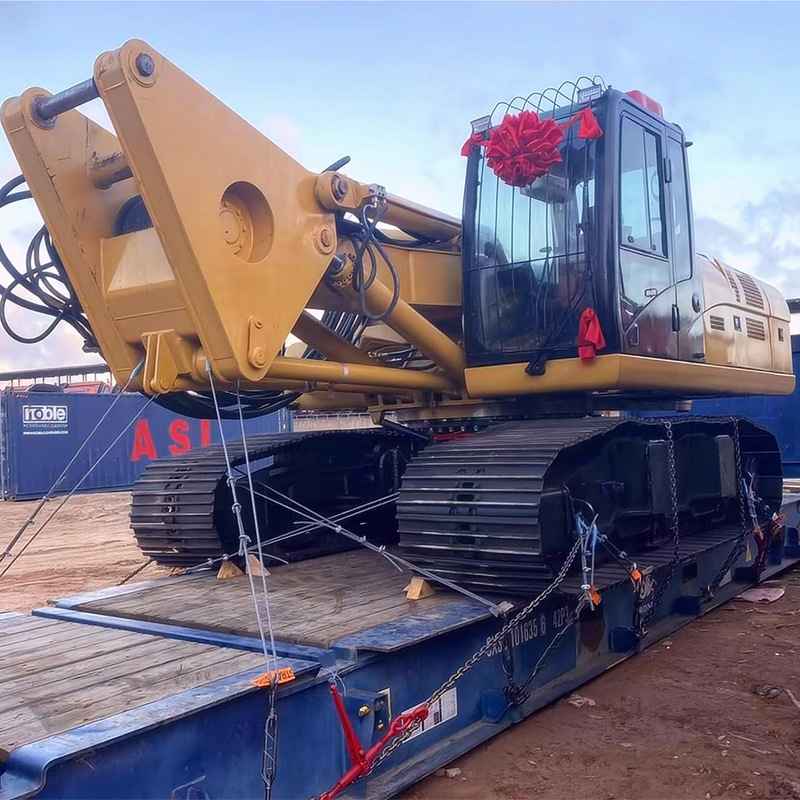
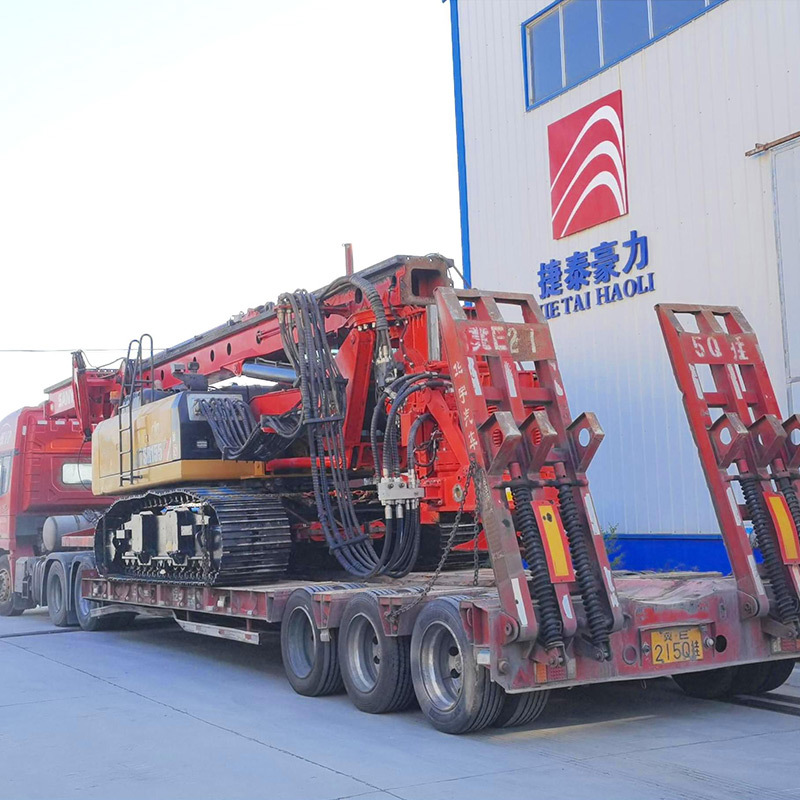
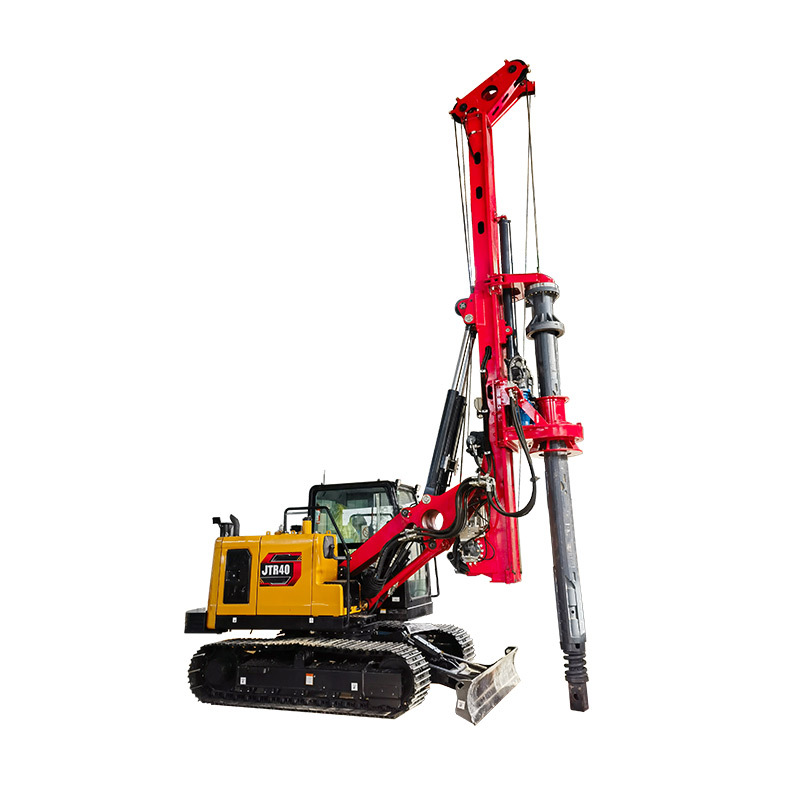
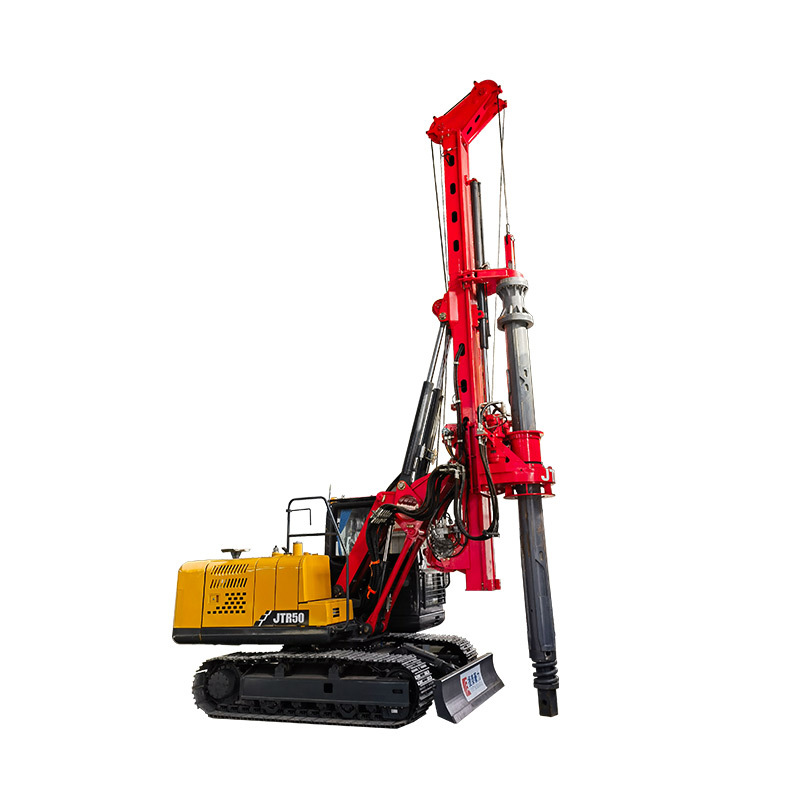
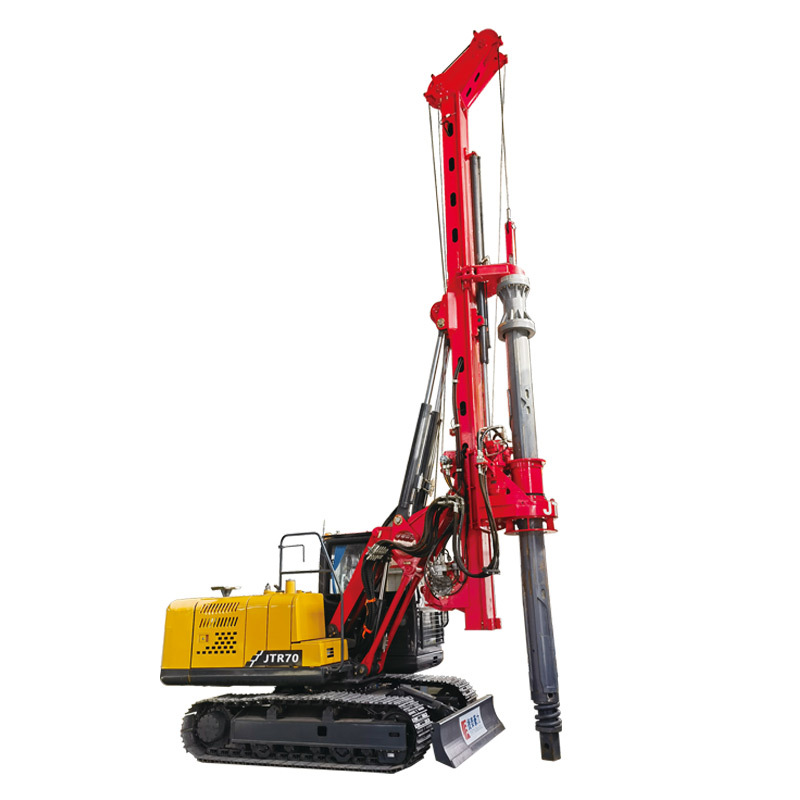
drilling rig for foundation piling

Business consulting:
Manufacturer: Shandong Jietai Haoli Machinery Equipment Co., Ltd.
Address: Nanchai industrial park, Hualong Town, Shouguang city, Shandong province
Business License
Copyright©2024 Shandong Jietai Haili Machinery Equipment Co., Ltd.