
25
2026
-
07
Exploring the Functionality and Benefits of Hydraulic Piling Drilling Rigs
Hydraulic piling drilling rigs are essential equipment in the construction and civil engineering sectors, designed specifically for the installation of piles into the ground. These sophisticated machines utilize hydraulic power to drive, drill, or vibrate piles into various soil conditions, providing foundational support for structures such as buildings, bridges, and wind turbines. Understanding t

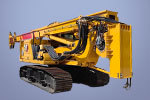
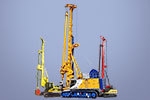
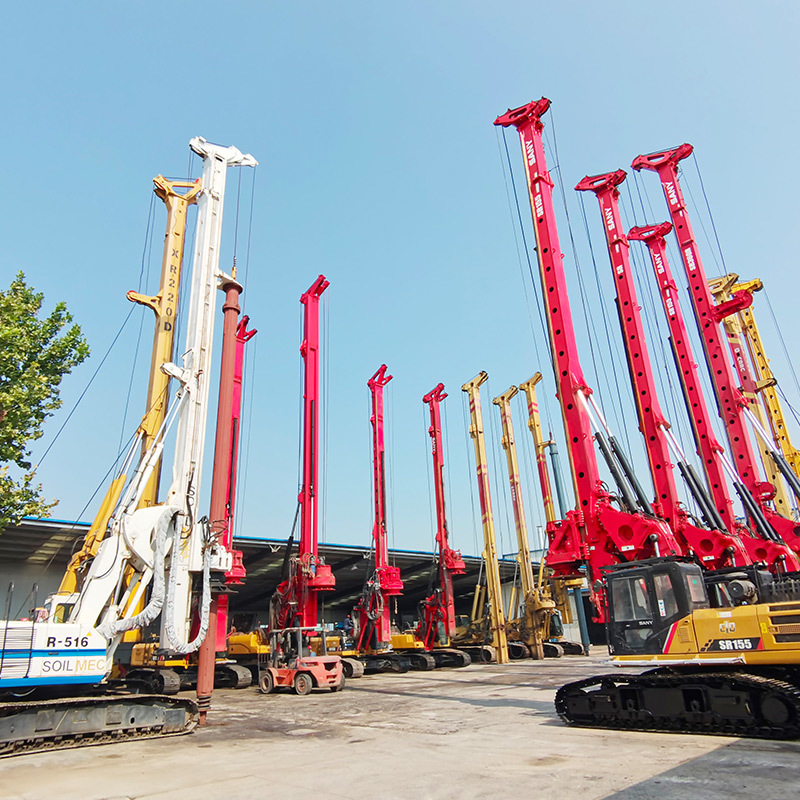
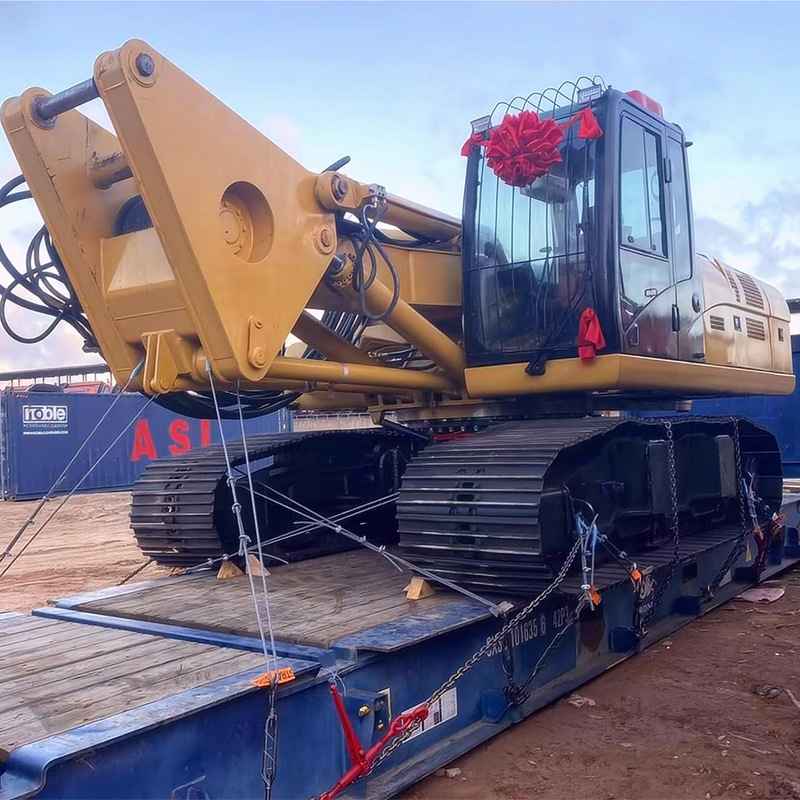
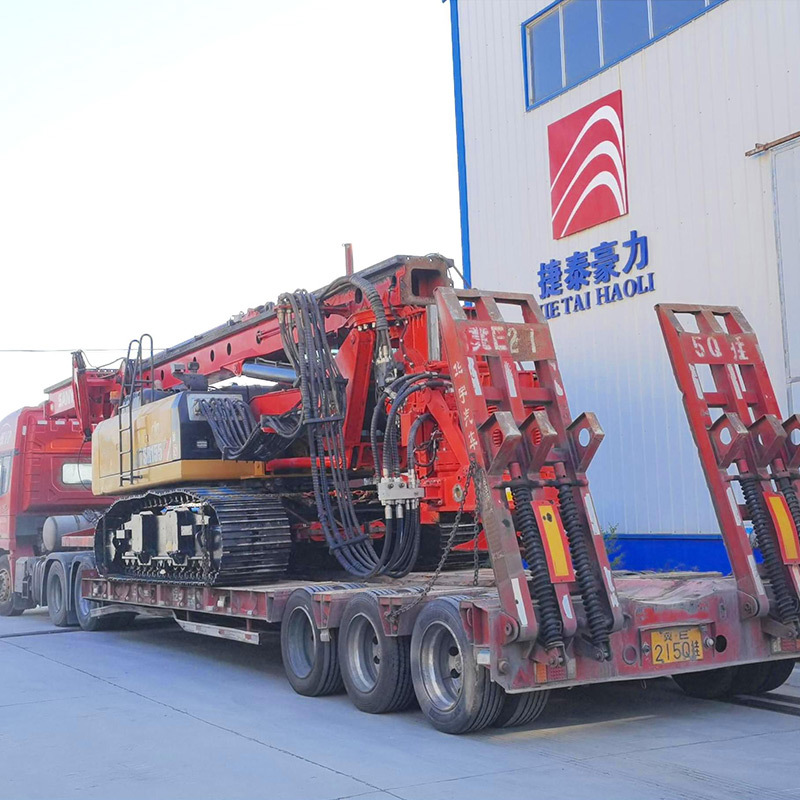
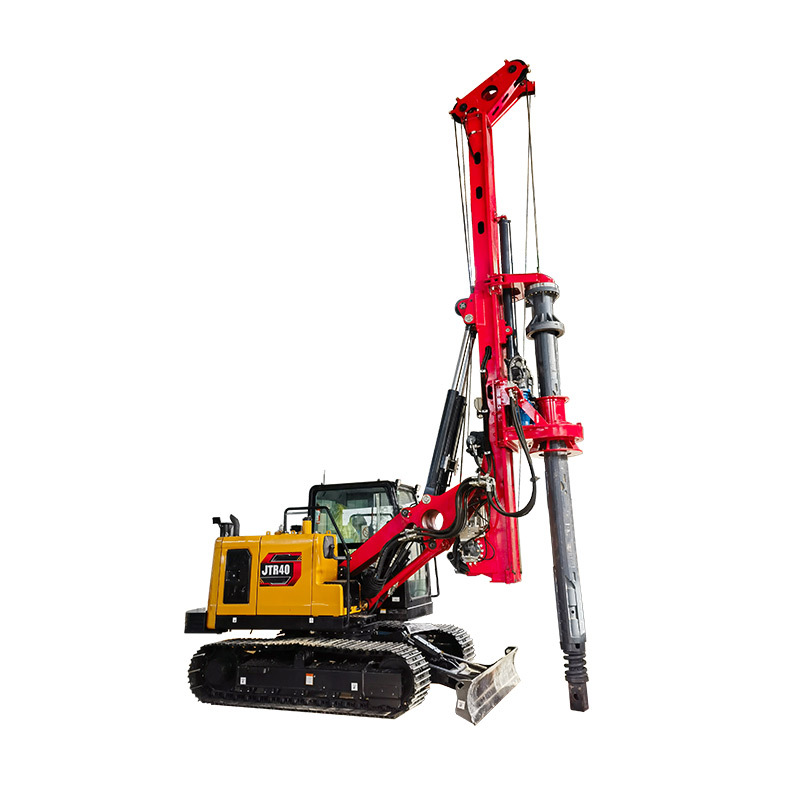
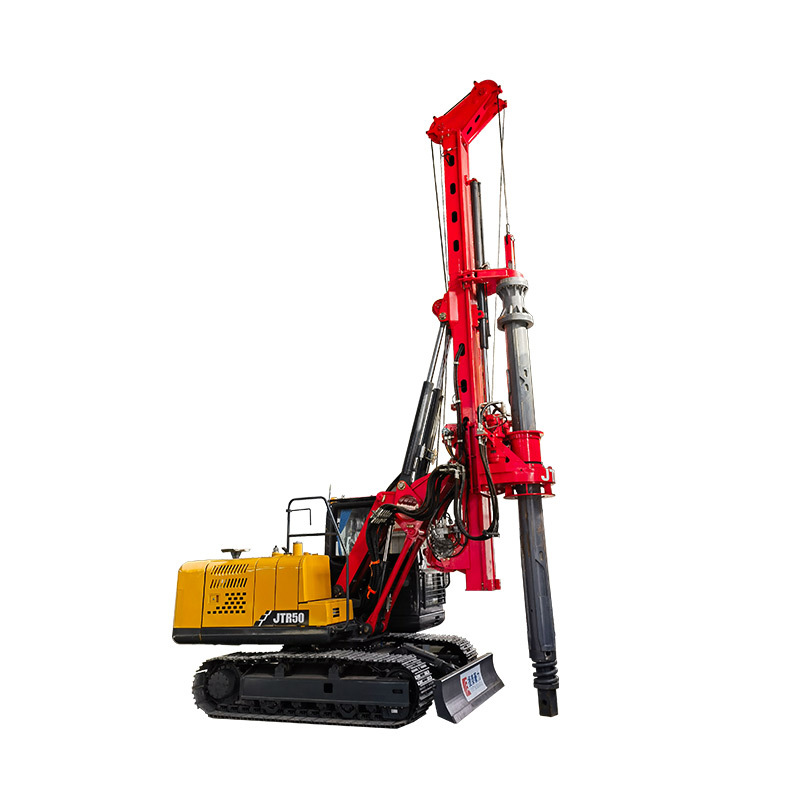
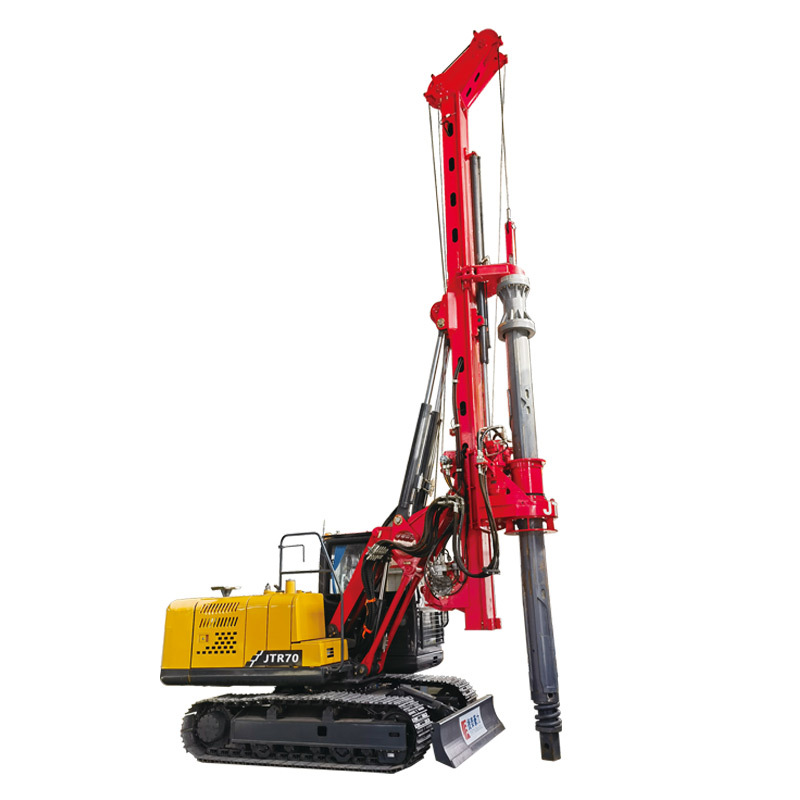
Hydraulic piling drilling rigs are essential equipment in the construction and civil engineering sectors, designed specifically for the installation of piles into the ground. These sophisticated machines utilize hydraulic power to drive, drill, or vibrate piles into various soil conditions, providing foundational support for structures such as buildings, bridges, and wind turbines. Understanding the functionality and advantages of hydraulic piling drilling rigs is crucial for industry professionals seeking to enhance their project outcomes.
The primary function of hydraulic piling drilling rigs is to create deep foundations that can withstand significant loads and environmental stresses. These rigs are typically equipped with advanced hydraulic systems that allow for precision control over the drilling and piling processes. The hydraulic mechanism enables the rig to manage heavy loads effectively, making it possible to operate in challenging terrains and varying soil conditions. As a result, these rigs can be adapted for both vertical and horizontal applications, expanding their versatility in construction projects.
One of the significant advantages of using hydraulic piling drilling rigs is their efficiency. These rigs can perform multiple functions, including augering, driving, and vibratory installation, which reduces the need for multiple pieces of equipment on site. This not only saves time but also minimizes labor costs and enhances overall project efficiency. Moreover, the hydraulic system allows for faster operation compared to traditional piling methods, enabling quicker project completion.
Additionally, hydraulic piling drilling rigs contribute to improved safety standards on construction sites. Their design often includes features that reduce the risk of accidents, such as advanced stability systems and operator controls that enhance precision. The reduced vibration and noise levels associated with hydraulic piling methods further promote a safer work environment for operators and surrounding communities.
Furthermore, the adaptability of hydraulic piling drilling rigs makes them suitable for a wide range of applications, from urban construction sites with limited space to remote locations in need of robust foundational support. Their ability to operate in various soil conditions, including clay, sand, and rocky terrain, makes them a critical asset in diverse construction projects.
In conclusion, hydraulic piling drilling rigs are a cornerstone of modern construction practices. Their efficiency, versatility, and safety features make them indispensable in creating strong, reliable foundations. Industry professionals should consider the capabilities of these machines when planning projects to optimize performance and ensure structural integrity. Embracing hydraulic technology in piling operations not only streamlines processes but also contributes to the longevity and durability of constructed facilities.
hydraulic piling drilling rig

Business consulting:
Manufacturer: Shandong Jietai Haoli Machinery Equipment Co., Ltd.
Address: Nanchai industrial park, Hualong Town, Shouguang city, Shandong province
Business License
Copyright©2024 Shandong Jietai Haili Machinery Equipment Co., Ltd.