
06
2026
-
08
Exploring the Benefits and Applications of Composite Pressurized Drill Pipe in Engineering Machinery
Composite pressurized drill pipes are an emerging technology in the field of engineering machinery, particularly in applications involving drilling and excavation. These pipes are made from advanced composite materials that combine the strength of traditional metals with the lightweight properties of modern composites. This unique combination offers significant advantages in various drilling opera

Composite pressurized drill pipes are an emerging technology in the field of engineering machinery, particularly in applications involving drilling and excavation. These pipes are made from advanced composite materials that combine the strength of traditional metals with the lightweight properties of modern composites. This unique combination offers significant advantages in various drilling operations.
One of the primary benefits of using composite pressurized drill pipes is their reduced weight compared to traditional steel pipes. This reduction in weight leads to decreased overall equipment loads, which can enhance mobility and efficiency during drilling operations. Operators can transport and manipulate the drill pipes more easily, leading to faster setup times and increased productivity on the job site.
Furthermore, composite materials exhibit excellent corrosion resistance, which is crucial in environments where drilling operations may be exposed to harsh chemicals or saline conditions. The longevity of composite pressurized drill pipes means less frequent replacements and lower maintenance costs, providing an economic advantage over their conventional counterparts. Additionally, the composite materials can be designed to withstand high pressures, making them suitable for deep drilling applications where traditional materials may fail.
The versatility of composite pressurized drill pipes extends to their applications in various industries, including oil and gas exploration, geothermal energy extraction, and civil engineering projects. In oil and gas, for example, the ability to withstand high pressures and corrosive environments makes these pipes an ideal choice. Similarly, in geothermal applications, the lightweight nature of composite materials allows for efficient drilling in difficult terrains.
Moreover, as the industry moves towards more sustainable practices, the use of composite materials can lead to reduced environmental impact. These materials can often be manufactured using less energy and can even be recycled or repurposed at the end of their life cycle, aligning with the growing demand for eco-friendly solutions in engineering and construction.
In conclusion, the adoption of composite pressurized drill pipes represents a significant advancement in drilling technology. Their lightweight, corrosion-resistant properties, along with their applicability in various high-pressure environments, make them a valuable asset in the engineering machinery sector. As the industry continues to evolve, understanding and leveraging the benefits of composite materials will be essential for companies looking to stay competitive and innovate within the field of engineering machinery.
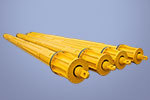
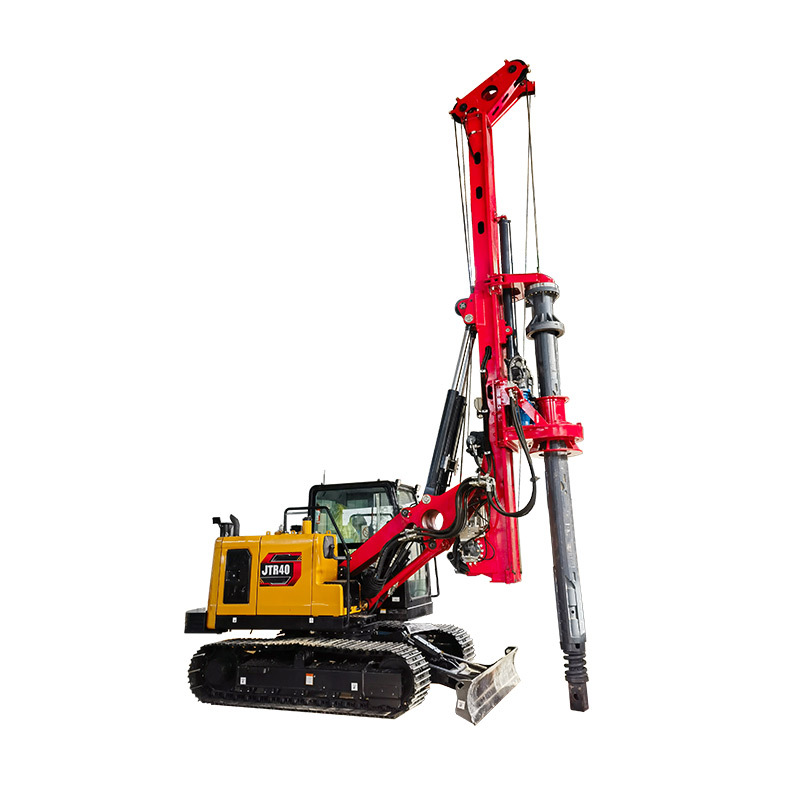
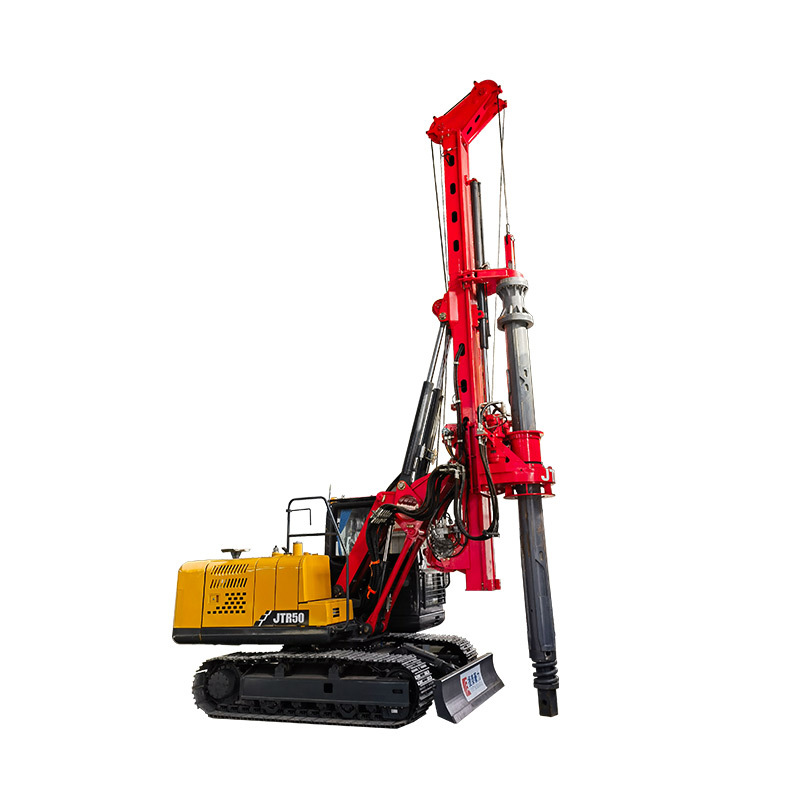
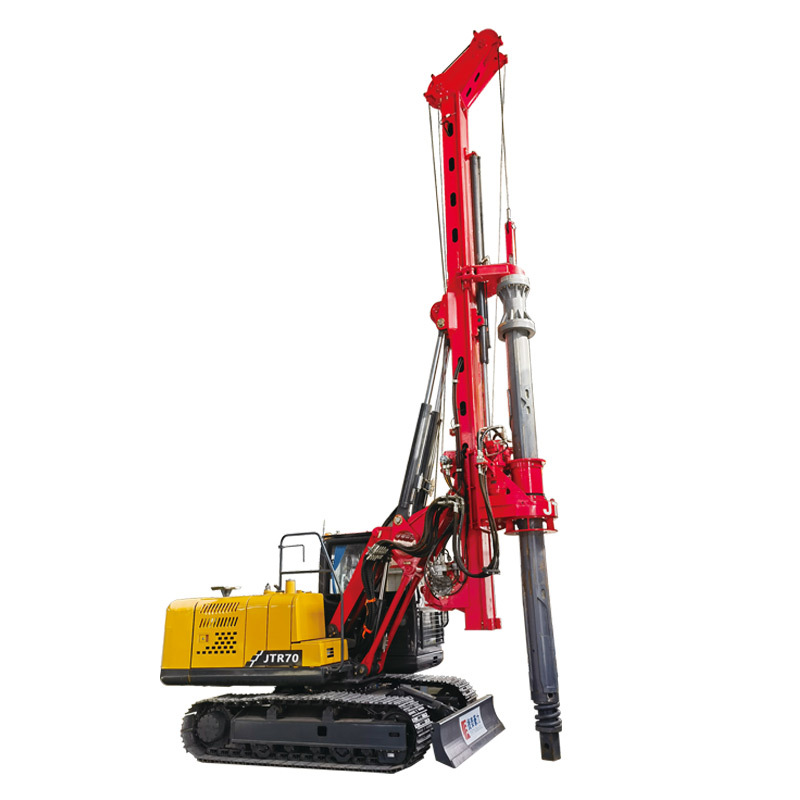
Composite pressurized drill pipe

Business consulting:
Manufacturer: Shandong Jietai Haoli Machinery Equipment Co., Ltd.
Address: Nanchai industrial park, Hualong Town, Shouguang city, Shandong province
Business License
Copyright©2024 Shandong Jietai Haili Machinery Equipment Co., Ltd.